
Face Framing Layers Ideas for Fresh Haircuts That Flatter Every Face
Face-framing layers are among the most loved haircut details because they make a big difference without requiring a dramatic change. These soft layers are cut around the front of the face to highlight your cheekbones, jawline, eyes, and overall face shape. They can make long hair feel lighter, short hair look more stylish, and medium hair appear more polished.
This hairstyle is popular because it works with many hair lengths, textures, and personal styles. Whether you like soft, romantic hair, trendy layered cuts, or easy everyday styles, they can be adjusted to match your look. They are also a great choice if you want movement around your face but do not want full bangs.
In this guide, you will learn the best face-framing layer ideas for fresh haircuts to try, how to choose the right version for your face shape, how to match it with your hair type, and how to style and maintain it at home.
Quick Answer
Face-framing layers are shorter cuts around the front of your hair to shape and soften your look.
They work well on long, medium, and short hair.
They can add movement, volume, and a flattering shape without changing your whole haircut.
The best style depends on your face shape, hair texture, and how much daily styling you want.
For the best result, ask your stylist for soft, blended layers that frame your features naturally.
Table of Contents
- Best Face Framing Layers Ideas
- How to Choose the Best Face Framing Layers for Your Face Shape
- How to Choose the Best Face Framing Layers for Your Hair Type
- Styling and Maintenance Tips
- Comparison Table
- Common Mistakes to Avoid
- FAQs
- Conclusion
Best Face Framing Layers Ideas
Here are 17 beautiful face-framing layer ideas for fresh haircuts to try. Each one can be customized based on your length, texture, and personal style.
Soft Curtain Face Framing Layers

Soft curtains are perfect if you want a gentle, pretty shape around your The front pieces are cut to open away from the face, creating a soft curtain effect that highlights the cheekbones and eyes. This look feels relaxed, feminine, and easy to wear. It works well with loose waves, blowouts, and natural texture. The layers do not look too sharp, so the haircut stays soft and wearable for everyday life.
This style suits oval, round, square, and heart-shaped faces because it can be adjusted in length. It is low to medium maintenance, depending on how polished you want it to look. Use a round brush or large Velcro rollers to bend the front pieces away from your face. Ask your stylist for a long curtain-style that blends into the rest of your haircut.
Long Face Framing Layers with a Middle Part
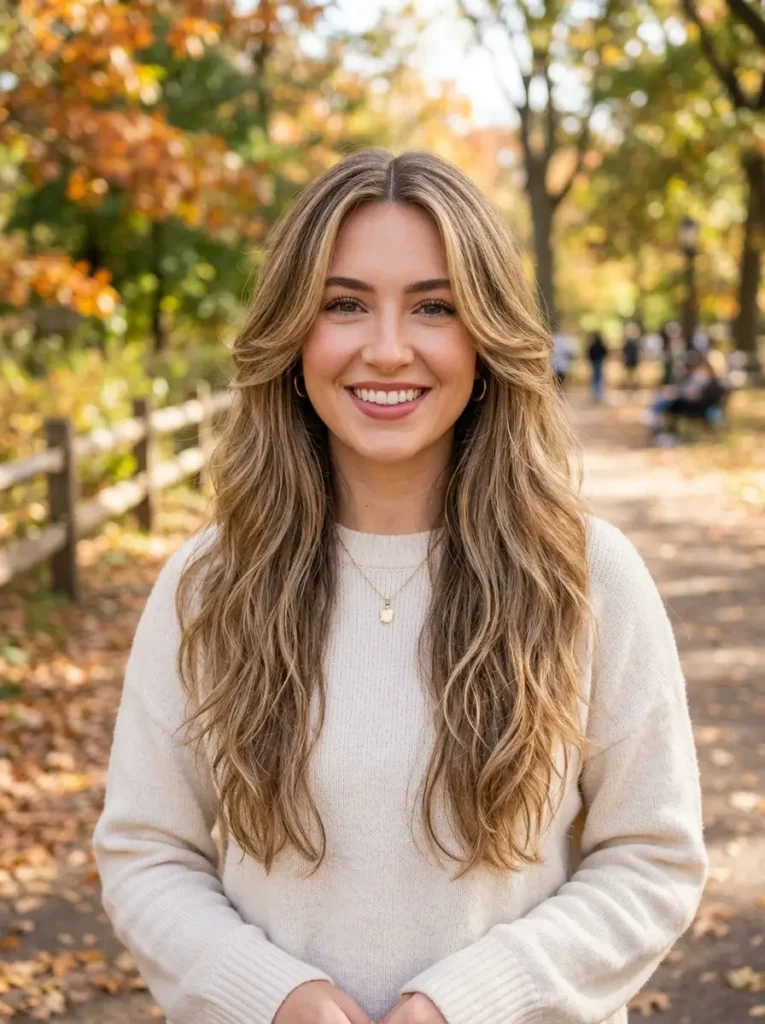
Long with a middle part creates a balanced and modern look. The layers usually start near the cheekbones or chin and flow smoothly into the rest of the hair. This style is great for people who want movement but want to keep most of their length. It gives long hair a fresh shape and keeps it from looking heavy or flat. The middle part adds symmetry and makes the haircut look clean and stylish.
This haircut suits oval, round, and heart-shaped faces especially well. It works best on medium to long hair and can be styled straight, wavy, or softly curled. Maintenance is easy because the layers grow out naturally. Use a light smoothing cream or heat protectant before styling. Ask your stylist for long blended layers around the face with the shortest pieces starting around the cheekbone or jawline.
Shoulder-Length Face Framing Layers
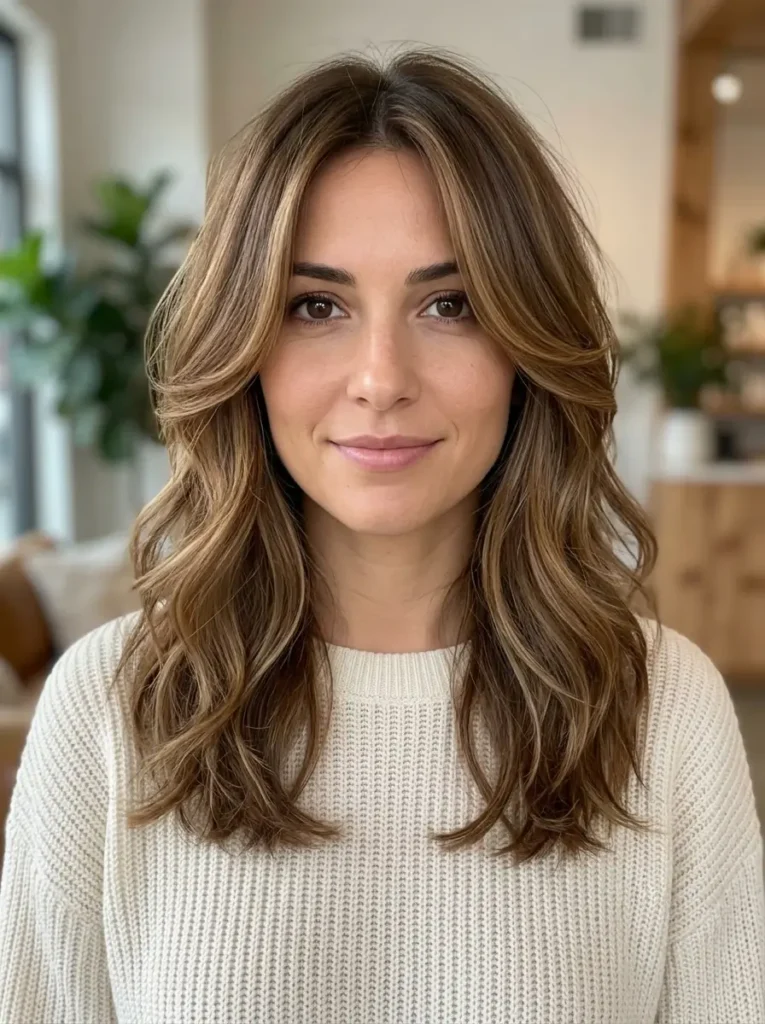
Shoulder-length are a great choice for anyone who wants a fresh haircut that still feels easy to manage. The layers around the face add softness and movement, while the shoulder length keeps the style practical. This cut can look polished, casual, or slightly undone depending on how you style it. It is also a helpful way to remove weight from medium-length hair without making the ends look thin.
This look suits most face shapes because the front layers can be customized. Round faces may benefit from layers that start below the chin, while square faces may look softer with curved pieces around the jaw. It works on straight, wavy, and lightly curly hair. Maintenance is moderate, with trims every 8 to 10 weeks. Ask your stylist for shoulder-length hair with soft pieces that blend into light.
Face Framing Layers with Wispy Bangs

Wispy bangs create a soft and airy look. The bangs are light instead of heavy, which makes them easier to style and grow out. The connect with the bangs and help the whole haircut look blended. This style is lovely if you want to draw attention to your eyes and soften your forehead without committing to thick bangs. It has a romantic, effortless feel.
This style works well for oval, long, and heart-shaped faces. It can also flatter round faces if the side pieces are kept slightly longer. Wispy bangs need more styling than longer layers, so expect some daily attention. A small round brush, blow-dryer, or flat iron can help shape the bangs. Ask your stylist for light, wispy bangs that connect into soft, not heavy, blunt bangs.
Butterfly Cut with Face Framing Layers
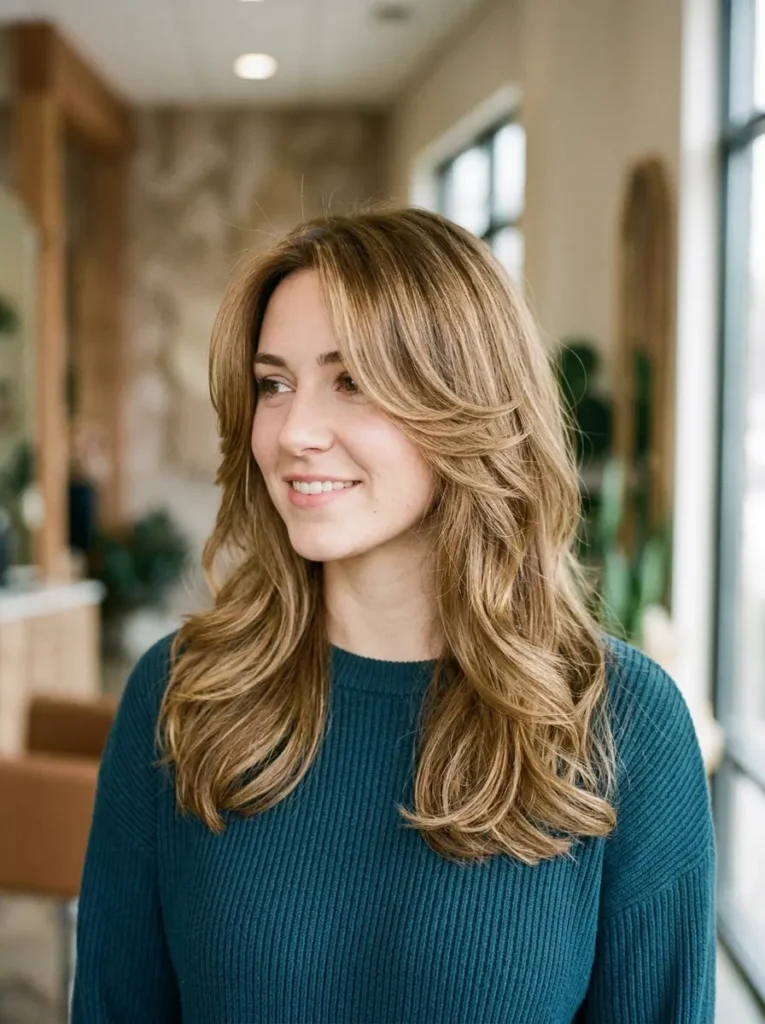
The butterfly cut is a trendy layered haircut with shorter pieces and longer layers through the back. It gives the illusion of shorter hair in the front while keeping the length overall. The front layers create bounce, shape, and a lifted effect around the face. This haircut is popular because it adds volume and movement without removing too much length. It looks especially beautiful with a bouncy blowout.
This style suits medium to long hair and works well for thick, medium, or naturally wavy textures. It is ideal for people who like volume and do not mind styling. The butterfly cut needs regular shaping to keep the layers looking fresh. Use a volumizing mousse and a round brush to bring out the shape. Ask your stylist for a butterfly haircut with layered pieces that connect smoothly to the longer back.
Face Framing Layers for Long Straight Hair

Long straight hair can sometimes look flat, especially if it has one solid length. Add shape without taking away the sleek beauty of straight hair. The front pieces create movement and help the hair fall more naturally around the face. This style keeps the hair looking long and healthy while giving it a more modern finish. It is simple, elegant, and easy to wear.
This look is great for straight or slightly wavy hair. It suits oval, round, and square faces when the layer length is chosen carefully. For a slimming effect, ask for the shortest pieces to start below the cheekbones or near the chin. Maintenance is low because straight hair shows shape clearly as it grows. Use a heat protectant and a shine serum for a smooth finish. Ask your stylist for soft front layers with no harsh steps.
Wavy Lob with Face Framing Layers

A wavy lob with face-framing layers is stylish, fresh, and very wearable. The lob length usually falls between the chin and shoulders, giving the hair a clean shape. The face-framing layers add softness around the front, while the waves create texture and movement. This haircut feels modern without being too bold. It is a great option if you want a shorter style that still has styling flexibility.
This cut suits oval, heart, square, and round faces. It works especially well on naturally wavy hair because the layers help the waves sit nicely. Maintenance is medium, as shorter lengths need trimming to keep the shape. Use a texture spray or lightweight curl cream to define the waves. Ask your stylist for a long bob with soft face-framing layers and light texture through the ends for movement.
Curly Face Framing Layers

Curly face-framing layers are designed to shape curls around the face without creating unwanted bulk. When cut correctly, these layers help curls spring up beautifully and frame the features in a natural way. They can make curly hair look more balanced and less triangular. The goal is to create shape while respecting the curl pattern. This style can feel playful, soft, and full of personality.
This haircut is best for curly and coily textures, but it must be customized carefully. The stylist should consider shrinkage, curl density, and how the hair sits when dry. Maintenance is moderate because curls need moisture and regular shaping. Use leave-in conditioner, curl cream, or gel based on your curl type. Ask your stylist for dry-cut or curl-by-curl face framing layers that follow your natural curl pattern.
Shaggy Face Framing Layers

Shaggy face-framing layers are perfect for a cool, lived-in haircut. This style has more texture, movement, and personality than a classic layered cut. The layers around the face are usually pieced and slightly undone, giving the hair a relaxed shape. It can look soft or edgy depending on how much texture is added. This haircut is great for people who like natural movement and a less polished finish.
This style suits wavy, thick, and medium-textured hair very well. It can also work on fine hair if the layers are not cut too thin. Oval, square, and heart-shaped faces can look especially good with a shaggy frame. Maintenance is medium because the shape needs trimming to avoid looking messy. Use texturizing spray or lightweight mousse. Ask your stylist for shag-inspired face framing layers with soft texture, not overly short, choppy pieces.
Face Framing Layers with a Side Part
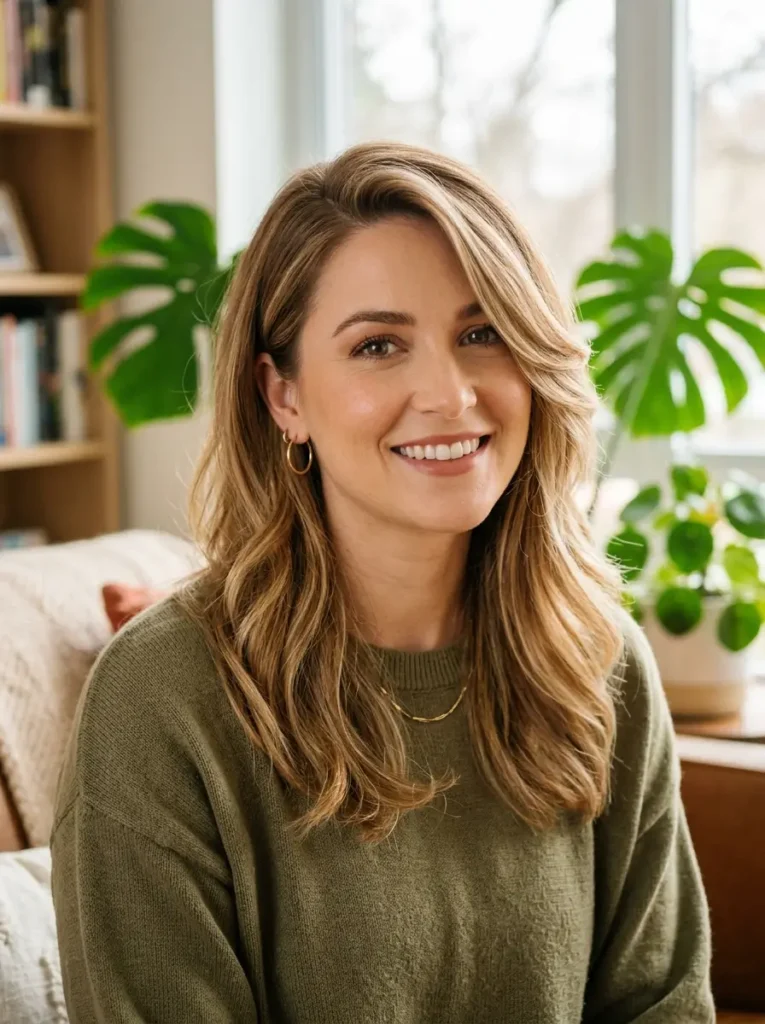
Face framing layers with a side part create a soft, flattering shape with extra movement on one side. The side part can add volume at the roots and make the hair look fuller. The front layers sweep across the face, which can create a graceful and elegant effect. This style is easy to dress up or down and works well for both casual and polished looks.
This haircut is helpful for people with round, square, or long face shapes because the side part can balance the face. It works on straight, wavy, and medium-thick hair. Maintenance is low to medium, depending on how much volume you want. Use a root-lifting spray or round brush to style the front. Ask your stylist for side-swept face framing layers that blend naturally into the rest of your haircut.
Choppy Face Framing Layers

Choppy face-framing layers are a bold option for anyone who wants more texture and definition. The front pieces are cut with visible separation, giving the haircut a trendy and slightly edgy look. This style can make simple haircuts feel more modern. It works especially well when paired with waves, a shag, or a textured lob. The look is fresh, confident, and full of movement.
This style suits people who like a more styled or fashion-forward finish. It works best on medium to thick hair because very fine hair can look thinner with too many choppy pieces. Maintenance is medium because the layers need shaping to keep their texture. Use a matte texture spray, styling paste, or light wax on the ends. Ask your stylist for choppy face framing layers with blended edges so the cut does not look too harsh.
Blended Face Framing Layers for Thick Hair

Blended face framing layers are a smart choice for thick hair because they remove heaviness without making the haircut look uneven. The layers are soft and connected, so they create movement while keeping the hair full. This style helps thick hair fall better around the face instead of sitting too bulky. It can make long or medium hair easier to style and more comfortable to wear.
This haircut suits thick, straight, wavy, or loose curly hair. It is especially helpful for people who want to shape but do not want their ends to look thin. Maintenance is moderate because thick hair can lose shape as it grows. Use smoothing cream, leave-in conditioner, or anti-frizz serum to keep the layers polished. Ask your stylist for blended face framing layers with weight removal, but avoid heavy thinning near the front.
Fine Hair Face Framing Layers

Face-framing layers can work beautifully on fine hair when they are cut carefully. The key is to keep the layers soft and minimal so the hair does not look sparse. Gentle front layers can create the look of movement and shape without removing too much density. This style can make fine hair appear fresher and more styled, especially around the face. It is simple, light, and easy to manage.
This style is best for fine or thin hair that needs shape but still needs fullness at the ends. Avoid very short or overly choppy layers, as they can make the hair look thinner. Maintenance is low to medium, with regular trims to keep the ends healthy. Use lightweight mousse or volumizing spray instead of heavy creams. Ask your stylist for soft, subtle face-framing layers that keep the perimeter full.
Face Framing Layers with Balayage

Face-framing layers with balayage create a bright, dimensional look. The layers shape the haircut, while the balayage highlights bring attention to the front pieces. This combination can make the face look more lifted, and the hair look more expensive. Soft brightness around the face is often called a money piece, but it can be subtle or bold depending on your style. The result is fresh, glowing, and modern.
This look suits many face shapes and hair types because the color and layers can both be customized. It works especially well on medium and long hair because there is enough length to show the blend. Maintenance depends on how light the color is. Use color-safe shampoo and heat protectant to keep the hair healthy. Ask your stylist for soft face framing layers with balayage placement that brightens the front without harsh lines.
Short Bob with Face Framing Layers

A short bob with face-framing layers is chic, neat, and stylish. The face-framing pieces soften the front of the bob and stop it from looking too blunt or severe. This style can add movement around the jawline and cheekbones while keeping the overall haircut clean. It is a great choice if you like short hair but still want softness around your face.
This haircut suits oval, heart, and square face shapes. Round faces can also wear it well when the length sits slightly below the chin. Maintenance is medium to high because short bobs need regular trims to keep their shape. Use a smoothing balm for sleek styling or a texture spray for a tousled finish. Ask your stylist for a bob with soft front layers that frame the face without removing too much weight from the ends.
Face Framing Layers with Long Bangs

Face-framing layers with long bangs give you the softness of bangs without the commitment of a short fringe. The long bangs usually sit around the cheekbones, jawline, or chin and blend into the rest of the haircut. This style adds movement and helps shape the face in a natural way. It is flattering, flexible, and easy to grow out compared with shorter bangs.
This style suits many face shapes because the length can be adjusted. Long bangs are especially helpful for softening square faces and balancing longer faces. Maintenance is easier than short bangs, but the front pieces still need occasional trims. Style them with a round brush, flat iron bend, or heatless rollers. Ask your stylist for long bangs that blend into face-framing layers so the front does not look disconnected.
Low-Maintenance Subtle Face Framing Layers

Low-maintenance, subtle face-framing layers are ideal if you want a small change that still makes your haircut look better. These layers are soft, longer, and very blended. They do not require daily styling and grow out naturally. The look is simple, polished, and easy to wear. It works well for people who want to refresh their hair without choosing a dramatic trend.
This style suits straight, wavy, fine, medium, and thick hair. It is also a safe choice if you are trying face framing layers for the first time. Maintenance is low because the layers are not too short. A quick blow-dry or air-dry routine is usually enough. Use a lightweight leave-in conditioner to keep the hair smooth. Ask your stylist for subtle, long face-framing layers that add shape but still feel natural.
Textured Medium Cut with Face Framing Layers
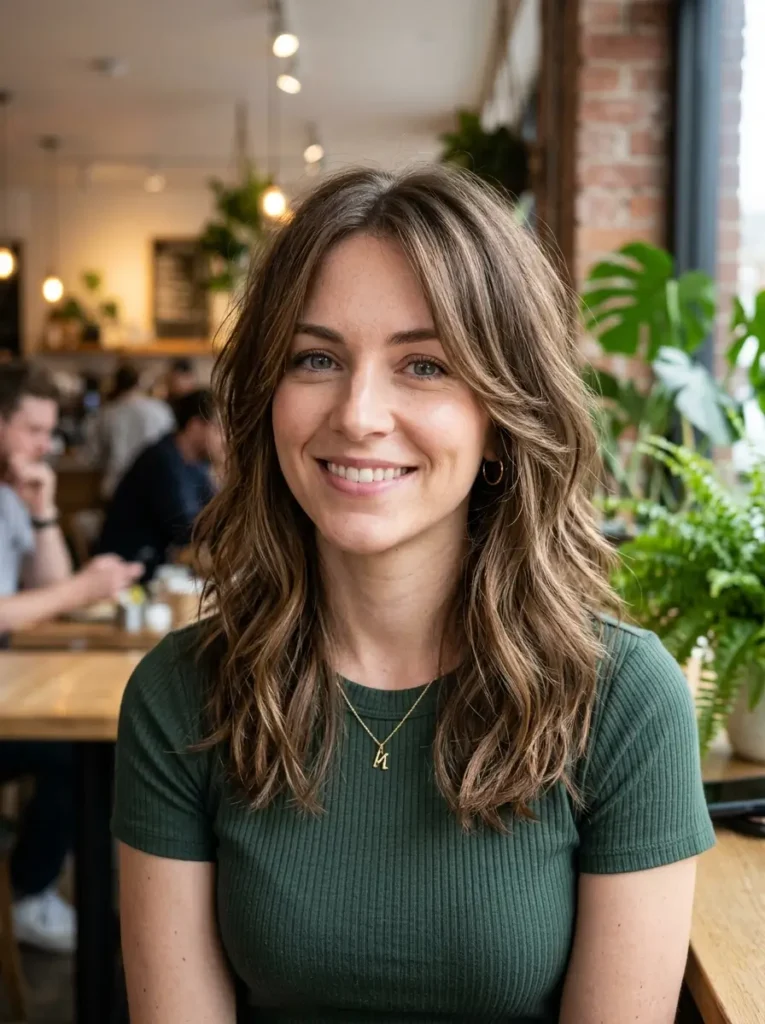
A textured medium cut with face-framing layers gives the hair a soft, modern shape. The medium length makes it easy to manage, while the texture keeps it from looking plain. The front layers help open the face and add interest around the cheekbones and jawline. This style looks great with loose waves, soft bends, or natural movement. It feels relaxed but still polished enough for everyday wear.
This haircut suits many people because it is not too short or too long. It works well on wavy, medium, and thick hair, but fine hair can also wear it with a lighter texture. Maintenance is medium, with trims every 8 to 10 weeks. Use sea salt spray, texture mist, or light mousse to bring out movement. Ask your stylist for medium-length layers with a soft face frame and textured ends.
Face Framing Layers for a Sleek Blowout
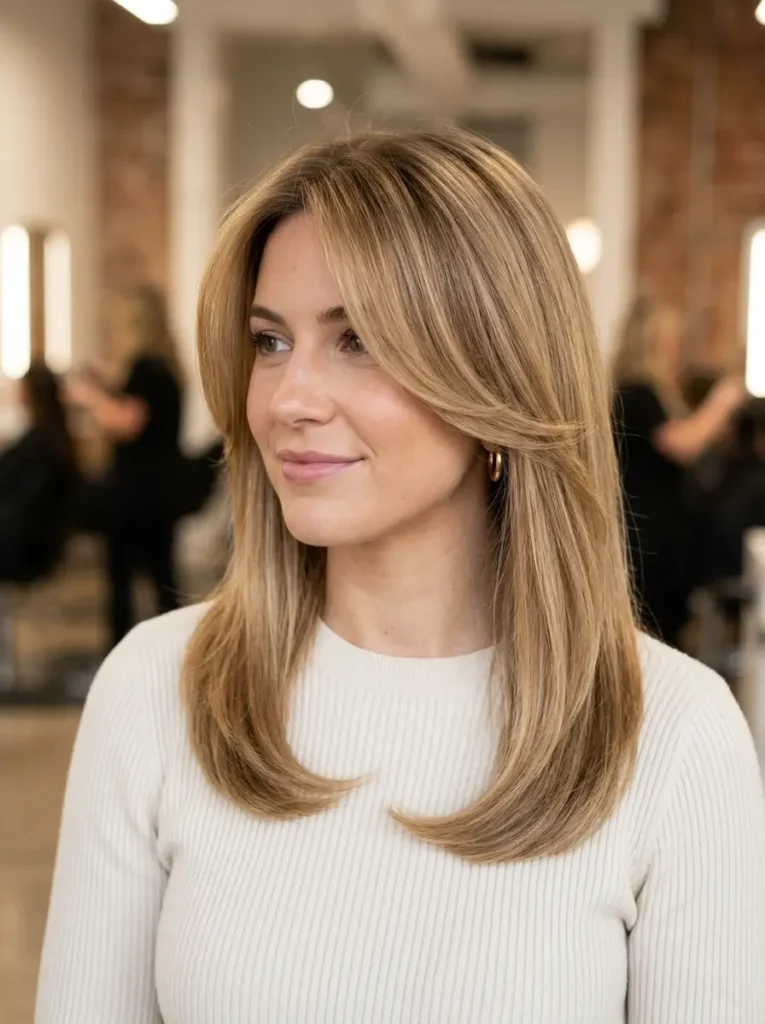
Face-framing layers for a sleek blowout are perfect if you love smooth, bouncy hair. The layers around the face create shape when styled with a round brush, giving the hair a salon-finished look. The front pieces can curve away from the face, adding lift and softness. This style works well for special occasions but can also be worn as a polished everyday look.
This style suits medium to long hair and works best on straight, wavy, or thick textures. It is a good option if you enjoy styling your hair and want a smooth, shaped finish. Maintenance is medium because the layers need trimming to keep the blowout shape. Use heat protectant, smoothing cream, and a round brush. Ask your stylist for those that are designed to curve away from the face during a blowout.
How to Choose the Best Face Framing Layers for Your Face Shape
Choosing the right start with understanding your face shape. The goal is not to hide your face, but to balance your features and highlight what you love most.
For a round, longer usually works best. Ask for layers that start below the cheekbones or around the chin. This helps create length and keeps the sides from looking too full.
For a square face, soft, curved layers can help reduce the appearance of sharp angles. Layers that fall around the cheekbones and jawline can make the face look softer and more balanced.
For an oval, most work well. You can try curtain layers, long bangs, choppy pieces, or soft blended layers. The main choice depends on your hair texture and personal style.
For a heart-shaped face, layers that start near the cheekbones or chin can balance a wider forehead and narrower chin. Wispy bangs or curtain-style pieces can also look beautiful.
For a long face, avoid layers that are too long and flat. Volume around the cheeks can create width and balance. Curtain bangs, long bangs, or soft pieces near the cheekbones are great options.
How to Choose the Best for Your Hair Type
Your hair type matters just as much as your face shape. The same haircut can look very different on straight, wavy, curly, thick, thin, or fine hair.
Straight hair shows every line of the cut, so blended layers are important. If the layers are too blunt, they may look disconnected. Ask for soft, smooth face-framing pieces that flow into the rest of your hair.
Wavy hair works beautifully with f because the natural movement adds softness. Layers can help waves sit better around the face. A textured lob, shaggy cut, or long layered style can all work well.
Curly hair needs careful cutting because curls shrink when dry. It should be shaped according to your natural curl pattern. A dry cut or curl-focused stylist can help avoid layers that become too short.
Thick hair often benefits from being removed because they remove heaviness and creates movement. However, too much thinning near the front can make the hair look uneven. Ask for blended layers and controlled weight removal.
Thin hair needs softer, lighter layering. Heavy or choppy layers can make thin hair look even thinner. Keep the ends full and choose subtle front layers for shape.
Fine hair can look fuller with the right face frame, but the layers should not be too short or too many. Use lightweight styling products and avoid heavy oils or creams that flatten the hair.
Styling and Maintenance Tips
- Use a heat protectant before blow-drying, curling, or flat-ironing your.
- Trim the front pieces every 6 to 10 weeks, depending on how short and shaped they are.
- Use a round brush to style the layers away from your face for a soft, lifted look.
- Try Velcro rollers for volume without using too much heat every day.
- Use lightweight mousse if your hair needs body and movement.
- Use smoothing cream or anti-frizz serum if your hair is thick, dry, or frizz-prone.
- Avoid using too much product near the front of your hair because it can make the layers look greasy.
- Wash your hair based on your scalp and texture, not just your haircut.
- Dry shampoo can help refresh face-framing pieces between washes.
- For curly hair, use curl cream or gel and shape the front curls while they are damp.
- Sleep on a silk or satin pillowcase to reduce frizz and keep the front layers smoother.
- When curling, direct the front pieces away from your face for a soft, open effect.
- Do not over-straighten the layers, as this can make them look flat and sharp.
- Bring reference photos to your stylist so they understand the exact length and shape you want.
Comparison Table
| Hairstyle | Best For | Hair Type | Maintenance | Styling Product |
| Soft Curtain Face Framing Layers | Soft everyday style | Straight, wavy, medium hair | Low to medium | Lightweight mousse |
| Long Face Framing Layers with a Middle Part | Balanced long hair | Straight, wavy, thick hair | Low | Heat protectant |
| Shoulder-Length Face Framing Layers | Fresh medium haircut | Straight, wavy, curly hair | Medium | Leave-in conditioner |
| Face Framing Layers with Wispy Bangs | Soft fringe look | Fine, medium, straight hair | Medium | Light styling cream |
| Butterfly Cut with Face Framing Layers | Volume and movement | Medium, thick, wavy hair | Medium | Volumizing mousse |
| Face Framing Layers for Long Straight Hair | Sleek long hair | Straight hair | Low | Shine serum |
| Wavy Lob with Face Framing Layers | Modern short-medium style | Wavy, medium hair | Medium | Texture spray |
| Curly Face Framing Layers | Shaped curls | Curly, coily hair | Medium | Curl cream |
| Shaggy Face Framing Layers | Lived-in texture | Wavy, thick, medium hair | Medium | Texturizing spray |
| Face Framing Layers with a Side Part | Volume and softness | Straight, wavy hair | Low to medium | Root-lifting spray |
| Choppy Face Framing Layers | Edgy texture | Medium, thick hair | Medium | Styling paste |
| Blended Layers for Thick Hair | Weight removal | Thick hair | Medium | Smoothing cream |
| Fine Hair Face Framing Layers | Light shape | Fine, thin hair | Low to medium | Volumizing spray |
| Face Framing Layers with Balayage | Bright dimension | Most hair types | Medium | Color-safe leave-in |
| Short Bob with Face Framing Layers | Chic short hair | Straight, wavy hair | Medium to high | Smoothing balm |
| Face Framing Layers with Long Bangs | Flexible soft bangs | Most hair types | Medium | Round brush spray |
| Subtle Face Framing Layers | Low-maintenance change | Straight, wavy, fine hair | Low | Lightweight leave-in |
Common Mistakes to Avoid
One common mistake is choosing face framing layers only because they are trendy. A haircut may look beautiful in a photo, but it should still match your face shape, hair type, and daily routine. The best layers are the ones that fit your real lifestyle.
Another mistake is ignoring hair texture. Curly hair, fine hair, and thick hair all need different cutting methods. A layer that looks soft on thick, wavy hair may look too thin on fine hair. Always talk to your stylist about how your hair behaves naturally.
Using too much product is also a problem. Face-framing pieces sit close to your skin, so heavy creams and oils can make them look greasy fast. Start with a small amount of product and add more only if needed.
Not showing reference photos can lead to confusion. Words like “short,” “soft,” and “layered” can mean different things to different people. Bring two or three photos that show the length, shape, and finish you like.
A final mistake is cutting the front pieces too short, too quickly. If you are unsure, start longer. You can always go shorter later, but you cannot instantly add length back.
FAQs
Are face-framing layers good for all hair lengths?
Yes, face-framing layers can work on short, medium, and long hair.
The shape should be adjusted to match your length and texture.
A stylist can keep them subtle or make them more noticeable.
Do face-framing layers make hair look thicker?
They can make hair look fuller when they are cut softly and styled with volume.
However, too many layers can make fine or thin hair look lighter at the ends.
For fuller-looking hair, ask for subtle layers and keep the bottom shape strong.
Are face-framing layers the same as bangs?
No, face-framing layers are not always the same as bangs.
Bangs usually sit across the forehead, while face-framing layers sit around the sides of the face.
Some styles combine both, such as wispy bangs with soft front layers.
How often should face framing layers be trimmed?
Most face framing layers need a trim every 6 to 10 weeks.
Shorter pieces and bangs may need trimming more often.
Long, subtle layers can usually grow out with less maintenance.
Can face-framing layers work on curly hair?
Yes, face-framing layers can look beautiful on curly hair.
The cut should follow your curl pattern and allow for shrinkage.
A curl-focused stylist can help create a balanced shape around your face.
What should I ask my stylist for?
Ask for soft face framing layers that match your face shape and hair texture.
Show photos of the length and shape you like.
Also, explain how much time you want to spend styling your hair each day.
Are face-framing layers high maintenance?
They can be low or medium-maintenance depending on the style.
Long, blended layers are easier to maintain than short bangs or choppy pieces.
Regular trims and simple styling keep them looking fresh.
Do face-framing layers suit round faces?
Yes, they can suit round faces very well when the length is chosen carefully.
Longer layers that start near the chin can create a slimming effect.
Avoid very short side layers if you do not want extra width around the cheeks.
Can I style face-framing layers without heat?
Yes, you can use heatless rollers, clips, braids, or air-drying techniques.
For soft shape, clip the front pieces away from your face while they dry.
A light styling cream or mousse can help hold the shape.
Will face framing layers grow out nicely?
Most blended grow out nicely.
Very short or choppy pieces may need more trims as they grow.
Starting with longer layers is a safe choice if you want an easy grow-out.
Conclusion
A simple but powerful way to refresh your haircut. They can soften your features, add movement, create volume, and make your hair feel more styled without a major change. The best part is that they can be customized for almost every face shape, hair type, and personal style. For curls, make sure the layers are shaped around your natural pattern.
The most important step is to choose a style that fits your hair, your routine, and your comfort level. Bring reference photos, talk honestly with your stylist, and start with a length you feel confident wearing. With the right, your haircut can look fresh, flattering, and easy to style every day.