You’re Choosing Hairstyles Wrong—Do This Instead
You know that feeling when you leave the salon, smile at the mirror, and then two days later, something just feels… off? Like, the haircut isn’t bad, but it’s not…
You know that feeling when you leave the salon, smile at the mirror, and then two days later, something just feels… off? Like, the haircut isn’t bad, but it’s not you. Most of us have been there, quietly blaming our hair, the weather, or even ourselves, when the real issue is something no one taught us.
Truth is, picking a hairstyle isn’t about copying what looks good on someone else. It’s about understanding your own features, your texture, your daily life, and what actually works for you. Once you shift your thinking, everything changes—and suddenly, your hair starts working with you instead of against you.
Hair Should Fit You, Not Trends
Great hair isn’t about chasing what’s popular—it’s about finding what feels like you. Trends can look amazing on social media, but real life is different. Your hair has its own texture, its own flow, and its own little personality. Trying to force it into something just because it’s trending usually leads to frustration.
Think about your daily routine. Are you someone who likes quick, effortless mornings, or do you enjoy spending time styling your hair? Your haircut should match that. If your lifestyle and your hair don’t agree, even a “perfect” style will feel like too much work. And honestly, nobody wants to struggle with their hair every single day.
Your face shape matters just as much. Some styles soften your features, while others bring out sharpness. When your haircut matches your natural structure, everything just looks more balanced. You don’t have to try so hard—it simply works.
Personal style is also a big part of it. Hair should reflect how you feel inside. If you’re soft and minimal, a dramatic, edgy cut might feel out of place. If you love bold looks, something too simple might feel boring. It’s all about matching your energy.
When your hair actually fits you, you feel it instantly. You don’t second-guess it in the mirror. You don’t keep adjusting it all day. It just sits right, moves naturally, and makes you feel confident without trying too hard.
Why Most People Get Their Hairstyle Completely Wrong
Most people walk into a salon with a saved photo and hope for the same result. It sounds simple, but hair doesn’t work like that. What looks dreamy on someone else can feel completely off on you, even if the cut is technically the same.
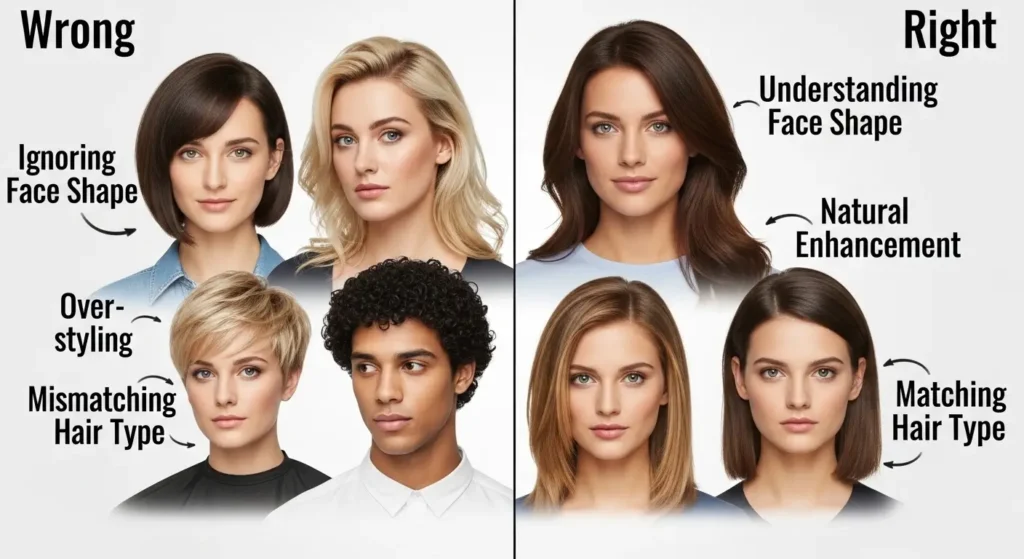
Every person’s hair is different. Thickness, texture, and even how your hair grows all affect the final look. Someone with thick hair might get soft movement from layers, while someone with fine hair might end up with something flat. Same haircut, totally different result.
Face shape also plays a quiet but important role. Some styles highlight your features in a beautiful way, while others can throw things off balance. It’s not always obvious right away, but you can feel when something isn’t quite right.
Natural parting is another thing people forget. Your hair already has a direction it likes to fall. Fighting against it can make styling harder than it needs to be. Working with it makes everything feel more effortless.
Maintenance is where reality hits. Many styles look amazing right after a salon visit, but require daily effort to keep that look. If you’re not ready for that, it quickly becomes frustrating.
Most mistakes don’t come from choosing a bad haircut. They come from ignoring your own hair and trying to copy someone else’s. Once you start paying attention to what suits you, everything changes.
The Common Mistake Ruining Your Look
The biggest mistake people make is falling in love with how a hairstyle looks in photos instead of thinking about how it will behave in real life. Photos are styled, posed, and often edited. Real hair isn’t like that.
Your hair moves, reacts to the weather, and changes throughout the day. A style that looks smooth and perfect in a picture might actually need heat tools and products every morning. If that doesn’t match your routine, it won’t last.
Hair type matters so much here. Straight hair, wavy hair, curly hair—they all respond differently to the same cut. Trying to copy a look meant for a different texture can make styling feel like a constant battle.
Movement is another thing people don’t think about. Hair isn’t still. It shifts when you walk, when the wind hits, even when you turn your head. A good haircut should still look nice without needing constant fixing.
There’s also a feeling attached to those photos. You’re not just liking the hair—you’re liking the vibe. Confidence, softness, boldness. But that feeling only comes when the style actually suits you.
When your hair works with its natural texture and shape, everything becomes easier. It falls into place without much effort, and that’s when it truly looks good.
Stop Copying Trends—Start Understanding Your Face
Understanding your face shape changes everything. Instead of guessing what might look good, you start making choices that actually suit you. It takes the stress out of the whole process.
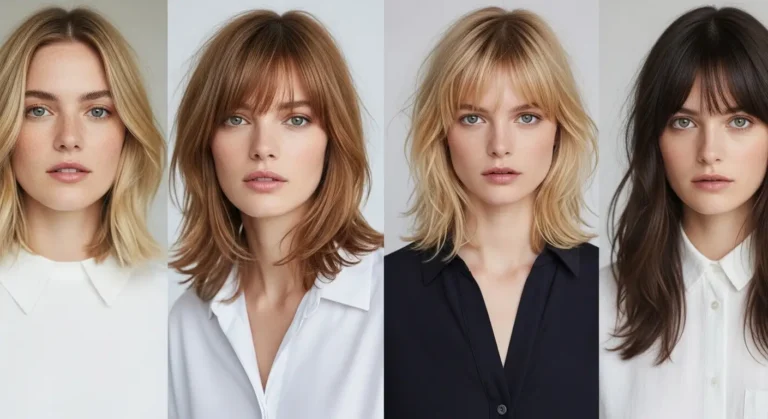
Different styles interact with your features in different ways. Soft layers can make strong features look more balanced. Sharper cuts can add structure where it’s needed. Small changes can completely shift how your face looks.
Proportions matter more than people realize. Length, width, and even where your cheekbones sit all affect how a hairstyle frames you. When those details are considered, the result feels natural and flattering.
Your natural part also plays a role. Your hair already knows where it wants to fall. Letting it do its thing makes styling easier and gives a more relaxed look.
Once you understand your face, you stop chasing random styles. You start noticing what actually works for you. It feels less like trial and error and more like knowing your own style.
Confidence grows from that understanding. You’re not just copying anymore—you’re choosing with intention. And that always looks better.
Why That Viral Hairstyle Doesn’t Suit You
Viral hairstyles are made to grab attention quickly. They’re styled perfectly, lit beautifully, and shown at their absolute best moment. Real life is not that polished.
Most of those looks are created for specific hair types and face shapes. When you try to recreate them without those same features, the result can feel disappointing. It’s not your fault—it’s just not the right match.
Hair texture is a big reason for this. A smooth, sleek style might need constant heat on naturally textured hair. A messy, voluminous look might not hold on fine hair. Each type behaves in its own way.
Lifestyle also matters more than people think. Many trending styles need regular styling and upkeep. If your routine doesn’t allow that, the look won’t stay the same.
Personal touch is usually missing from viral trends. They’re made to look good on many people, not to suit one person perfectly. Real beauty comes from small adjustments that fit you.
Instead of copying exactly, take inspiration from what you like. Maybe it’s the length, the shape, or the movement. Adjust those details to suit your own features.
When your hairstyle feels like it was made just for you, it shows. And that always looks better than trying to match something that was never meant for you.
The Right Way to Choose a Hairstyle
Choosing a hairstyle should feel exciting, not stressful or confusing. It’s not about copying someone else or chasing what’s trending that week. It’s about finding something that feels like you. When your hair fits your features and your lifestyle, everything just clicks. You don’t have to fight it every morning or second-guess how it looks throughout the day.
Think of your hairstyle as part of your everyday routine, just like your clothes or makeup. It should match how you live. If your days are busy and you’re always on the go, you need something that works without much effort. If you enjoy getting ready and styling your hair, you can go for something a little more detailed. There’s no right or wrong here, just what fits your life.
Confidence plays a big role, too. When your hair suits you, you feel it instantly. You stop overthinking and start enjoying how you look. That’s the goal. Not perfection, just ease and comfort in your own style.
Another important thing is flexibility. Good hairstyles don’t lock you into one look. They give you options. You can wear it naturally one day, styled the next, and still feel put together. That’s what makes a haircut truly work for you.
At the end of the day, choosing a hairstyle isn’t about following rules. It’s about understanding yourself a little better. Once you do that, everything becomes simpler. You stop guessing and start choosing with confidence.
Step 1: Identify Your Face Shape
Standing in front of the mirror with your hair pulled back can tell you so much. It might feel a little awkward at first, but it’s honestly one of the easiest ways to understand what suits you. Look at the outline of your face. Notice how wide it is, how long it looks, and how your jawline is shaped.
Some faces are soft and round, others are more defined or slightly longer. Each shape has its own charm, and the goal isn’t to change it, just to balance it. When you know your shape, picking a hairstyle becomes less of a guessing game and more of a thoughtful choice.
Pay attention to proportions. If your face is more round, you might want styles that add a bit of length. If it’s longer, you might prefer something that adds width or softness. Little adjustments like this can completely change how a haircut looks on you.
Your cheekbones, forehead, and chin all play a part, too. It’s not just about one feature; it’s about how everything works together. That’s why the same haircut can look totally different on two people.
Once you understand your face shape, you’ll start noticing patterns. You’ll see why certain styles look better on you and why others feel a bit off. That awareness makes everything easier and way more fun.
Step 2: Work With Your Hair Type, Not Against It
Your natural hair texture is your biggest clue when choosing a hairstyle. It tells you what will work easily and what might take extra effort. Instead of trying to change it every day, it’s so much better to work with it.
If your hair is straight, it tends to fall smoothly and can look sleek with minimal effort. Wavy hair has a natural bounce that looks beautiful with soft layers. Curly hair has its own shape and personality, and it really shines when you let it do its thing instead of flattening it.
Fighting your texture usually leads to frustration. You end up spending more time styling, using more heat, and still not getting the result you wanted. Over time, that can also affect the health of your hair.
When you work with your hair type, everything feels easier. Your style holds better, looks more natural, and doesn’t need constant fixing. You wake up, do a little styling, and you’re good to go.
Thickness matters too. Fine hair often needs a bit of structure to look fuller, while thick hair may need shaping to feel lighter and more manageable. Knowing this helps you choose cuts that actually support your hair instead of making it harder to handle.
Your hair already knows what it wants to do. Listening to it makes the whole process so much smoother.
Step 3: Consider Your Lifestyle and Maintenance Level
Honesty with yourself is so important here. It’s easy to fall in love with a hairstyle that looks amazing, but if it doesn’t fit your daily routine, it quickly becomes annoying. Your hair should make your life easier, not add extra stress.
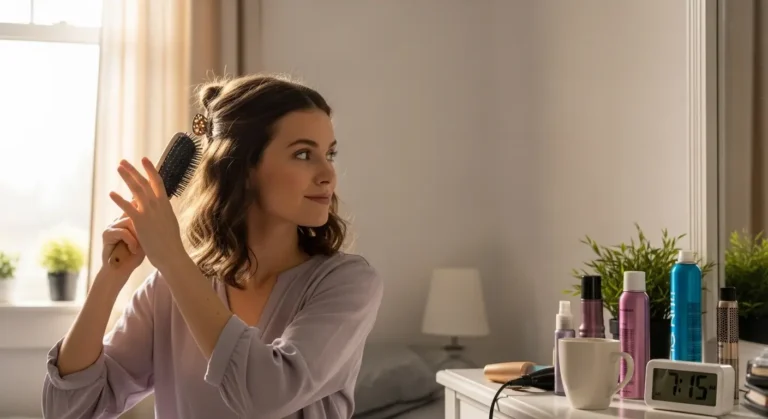
Think about your mornings. Do you have time to style your hair every day, or do you prefer something quick and simple? If you’re always rushing, a low-maintenance cut will save you so much effort. And honestly, simple doesn’t mean boring. It can still look really polished and put together.
If you enjoy spending time on your hair, you have more freedom to choose styles that need a bit more attention. You can play with volume, texture, and different looks depending on your mood.
Your environment matters too. Humidity, weather, and even your daily activities can affect how your hair behaves. A style that looks perfect indoors might not hold up outside if it doesn’t suit your surroundings.
Maintenance isn’t just about daily styling. It also includes how often you’ll need trims or touch-ups. Some styles need regular salon visits to keep their shape, while others grow out more naturally.
When your hairstyle fits your lifestyle, everything feels lighter. You’re not constantly fixing it or worrying about it. It just works with you, and that’s exactly how it should be.
Practical Styling Guidance
Good styling isn’t about doing more; it’s about doing what works. Small changes can make a big difference when they’re chosen thoughtfully. Once you understand your face shape and hair type, styling becomes much more intuitive.
Think of styling as a way to support your haircut, not fight it. If your cut is done well, it should already fall into a nice shape. Styling just adds a little polish or personality, depending on how you feel that day.
Tools and products can help, but they don’t have to be complicated. A simple routine that you can stick to is always better than something that feels like too much effort. Consistency makes a bigger impact than trying something new every day.
It’s also helpful to notice how your hair behaves at different times. Freshly washed hair might act differently from second-day hair. Learning these little details helps you adjust without overthinking.
Styling should feel enjoyable, not like a chore. When you find what works for you, it becomes part of your routine in a really natural way.
Best Hairstyles for Different Face Shapes
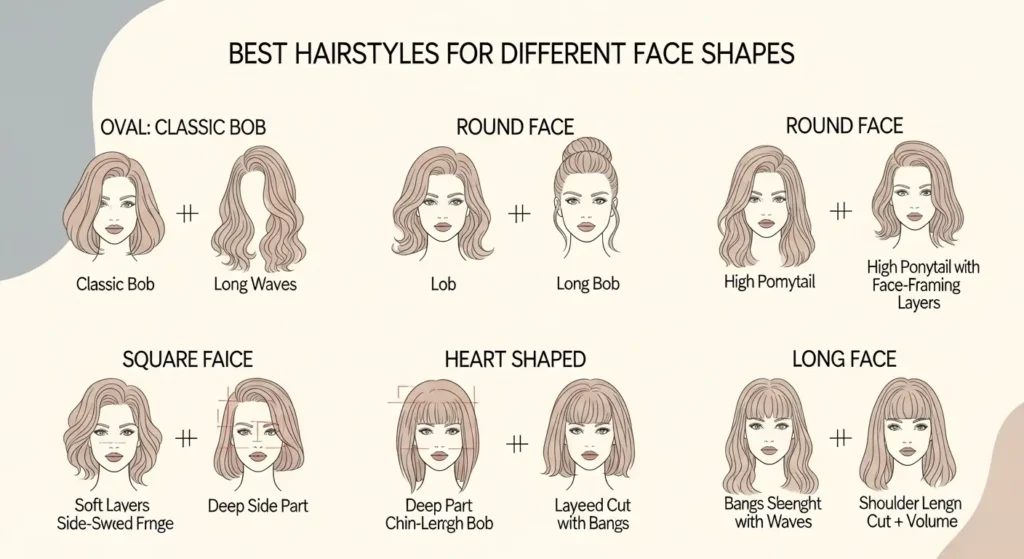
Different face shapes naturally suit different styles, and once you see it, it makes so much sense. Round faces often look beautiful with longer layers that create a bit of length and balance. It helps the face appear slightly more defined without taking away its softness.
Square faces have strong, lovely features, and softer styles like waves or textured cuts can balance that structure. It creates a more relaxed and effortless look that still feels polished.
Oval faces are quite versatile, which means you can try a lot of different styles and still look great. From short cuts to long layers, there’s a lot of room to experiment and find what you love most.
Heart-shaped faces often have a wider forehead and a narrower chin. Styles that add volume around the lower part of the face can create a really nice balance. Soft layers or gentle waves work beautifully here.
Understanding these little details helps you choose styles that naturally flatter you. It’s not about limiting your options; it’s about making better choices that feel right.
How to Match Hairstyles With Hair Texture
Hair texture plays such a big role in how a hairstyle turns out. Fine hair usually benefits from cuts that add a sense of fullness. Shorter styles or soft layers can make it look more voluminous without needing too much styling.
Thick hair, on the other hand, often feels heavy if it’s not shaped properly. Longer cuts with layers can help remove some of that weight and make it easier to manage. It gives the hair movement without making it feel overwhelming.
Curly hair has its own natural pattern, and it really shines when the cut follows that shape. Trying to force curls into something too structured can take away their beauty. Letting them fall naturally creates a much softer and more flattering look.
Wavy hair sits somewhere in between, which makes it really flexible. It can hold shape nicely while still looking relaxed. Styles that highlight the natural wave tend to look the most effortless.
Matching your hairstyle to your texture makes everything feel easier. Your hair behaves better, styles faster, and looks more natural without too much effort.
The Role of Volume, Length, and Layers
Volume, length, and layers might seem like small details, but they completely change how your hair looks and feels. Volume can lift your overall look and add a sense of balance, especially if your hair tends to fall flat.
Length affects how your face appears. Longer hair can create a more elongated look, while shorter styles can highlight your features and add structure. It all depends on what you want to bring attention to.
Layers add movement and softness. They can make hair feel lighter and more dynamic. But too many layers can sometimes make hair look thinner or harder to manage, especially if it’s already fine.
Balance is the key here. You don’t need everything at once. A little volume, the right length, and just enough layers can create a look that feels natural and flattering.
When these elements work together, your hair doesn’t just look good, it feels right too. It moves nicely, sits well, and doesn’t need constant fixing throughout the day.
Mistakes to Avoid
Choosing Style Over Suitability
Falling in love with a hairstyle just because it looks pretty is something almost everyone does at some point. You see a photo, maybe on social media or of a celebrity, and instantly think, “I need that.” It feels exciting in the moment, like you’ve finally found your next look. But here’s the truth: Pretty doesn’t always mean it will suit you.
Hair isn’t just about how it looks in pictures. It’s about how it sits on your face, how it moves with your natural texture, and how it fits into your daily life. A style can look soft and dreamy on someone else but feel completely off on you, and that can be confusing. You might not even know why it feels wrong; you just know it doesn’t feel like you.
Face shape plays a huge role here. Some cuts highlight your features beautifully, while others can make things feel unbalanced. Length, layers, and even small details like where the hair falls around your cheeks can change everything. That’s why copying a style without adjusting it rarely gives the result you expect.
Routine matters just as much. If a hairstyle needs heat styling every morning but your schedule is rushed, it quickly turns into something stressful instead of enjoyable. Hair should fit into your life easily, not become another thing you struggle to keep up with.
There’s also the emotional side. When your hair truly suits you, you feel it instantly. You don’t second-guess it or keep adjusting it all day. It just sits right. But when it doesn’t suit you, no amount of styling can fully fix that feeling.
Choosing suitability over style doesn’t mean giving up on pretty. It means finding a version of pretty that actually works for you. That’s where the magic happens—when something looks good and feels right at the same time.
Ignoring Your Natural Hair Pattern
Trying to fight your natural hair pattern every single day is exhausting, and honestly, it rarely ends well. Hair has its own personality. Some people have soft waves, some have tight curls, and others have straight strands that won’t hold a curl no matter how hard they try. That natural behavior isn’t something to battle—it’s something to work with.
Many people fall into the habit of forcing their hair into a completely different texture. Straightening curls daily or curling naturally straight hair might seem like a fun change at first, but over time, it becomes frustrating. It takes time, effort, and often leads to damage that slowly builds up.
When you ignore how your hair naturally falls, you also make your life harder than it needs to be. Styles don’t hold the same way, volume doesn’t sit right, and you end up constantly fixing things throughout the day. It can feel like your hair just won’t cooperate when really, it’s just being itself.
Working with your natural pattern doesn’t mean you can’t style your hair differently sometimes. It just means your base cut should support what your hair already wants to do. Layers, length, and shape should all follow your natural movement instead of fighting against it.
There’s something really freeing about letting your hair be what it is. You spend less time stressing and more time enjoying how it looks. It starts to feel effortless instead of forced.
Healthy hair also comes into play here. Less heat, less pulling, and less daily manipulation all add up over time. Your hair feels softer, stronger, and more manageable.
Once you start choosing styles that match your natural pattern, everything becomes easier. Your hair starts to fall into place on its own, and that’s when it truly begins to look its best.
Overlooking Professional Advice
Walking into a salon with a clear idea is great, but completely ignoring your stylist’s advice can lead to regret. Stylists aren’t just there to follow instructions—they’re trained to see details you might miss. They notice things like how your hair grows, how thick it is, and how it frames your face.
Sometimes you might feel attached to a certain look and don’t want it changed. That’s completely normal. But when a stylist suggests a small tweak, it’s usually coming from experience, not opinion. They’re thinking about how the style will look, not just right after the appointment, but days and weeks later too.
Those little suggestions can make a big difference. Maybe it’s adjusting the length slightly, softening a layer, or changing where a fringe starts. These aren’t random changes—they’re thoughtful decisions that help the style sit better on you.
Ignoring that advice can lead to a result that feels almost right, but not quite. You might leave the salon happy, but later notice that it’s harder to manage or doesn’t fall the way you expected. That’s often because something important was overlooked.
Trust plays a big role here. You don’t have to give up your vision, but being open to guidance can take your hairstyle from good to truly flattering. It becomes a collaboration instead of a one-sided decision.
Communication is key. Talking openly with your stylist about your routine, your preferences, and your concerns helps them tailor everything to you. It’s not about giving up control—it’s about getting the best possible result.
When you start listening to professional advice instead of brushing it off, you’ll notice the difference. Your hair feels more balanced, easier to manage, and more like it actually belongs to you.
Expert Tips

Great hair days don’t happen by luck. They usually come from small, smart choices that add up over time. Once you start paying attention to what actually works for you, everything feels easier. You stop guessing and start feeling more in control of your look.
Start by really noticing your own hair. How does it fall when you wake up? Does it hold its shape or lose it quickly? Does it get puffy, flat, or wavy during the day? These little details matter more than any trend you see online. When you understand your hair’s natural behavior, you can work with it instead of fighting it every morning.
Consistency makes a bigger difference than people think. Regular trims keep your shape fresh and prevent that awkward phase where nothing sits right. Waiting too long between cuts often leads to bigger changes than you actually wanted. Small maintenance visits can keep everything feeling polished without stress.
Products should match your hair, not just what’s popular. If your hair is fine, heavy creams can weigh it down. If it’s thick or dry, light sprays won’t give enough control. Pay attention to how your hair reacts, and don’t be afraid to switch things up until it feels right.
Heat styling is another area where balance matters. Using tools every day can slowly change your hair’s texture and health. Giving your hair a break, even just a few days a week, can make a noticeable difference. Letting your natural texture show a little can actually make your overall look feel softer and more real.
Your haircut should also match your lifestyle. If you don’t have time to style your hair every morning, choose something that falls into place easily. If you enjoy doing your hair, you can go for something that gives you more room to play. There’s no right or wrong, just what fits your routine.
Confidence plays a big role, too. When you feel good about your hair, it shows. You carry yourself differently. That’s why forcing a style that doesn’t feel like you never really works, no matter how trendy it is.
Little adjustments often have the biggest impact. A slight change in length, a softer layer, or even shifting your part can refresh your whole look without feeling overwhelming. You don’t always need a big transformation to feel new again.
Pay attention to feedback, but trust yourself most. Friends, stylists, and even strangers might have opinions, but you’re the one living with your hair every day. If something feels right to you, that’s what matters.
Great hair isn’t about perfection. It’s about understanding, small habits, and choosing what makes you feel like yourself. Once you get that, everything else starts to fall into place naturally.
How to Communicate Clearly With Your Barber or Stylist
Walking into a salon can feel exciting, but also a little intimidating if you’re not sure how to explain what you want. Clear communication makes all the difference between leaving happy or slightly disappointed.
Photos are a great starting point, but they shouldn’t be your only explanation. Instead of just showing a picture, talk about what you like in it. Maybe it’s the soft layers, the way it frames the face, or how light and bouncy it looks. When you explain the details, your stylist understands your vision better and can adjust it to suit you.
Be honest about your routine. If you don’t style your hair often, say that. If you prefer quick and easy mornings, mention it. This helps your stylist suggest something that fits your daily life, not just something that looks good right after the appointment.
Talk about your hair’s behavior too. Let them know if it gets frizzy, flat, or hard to manage. These details help them shape the cut in a way that works with your natural texture. It also helps avoid surprises later when you try to style it yourself.
Don’t be afraid to speak up during the process. If something feels too short or not quite right, it’s okay to say it politely. Stylists want you to be happy, and small adjustments are easier to make in the moment than after everything is done.
Understanding basic terms can also help. Words like layers, texture, volume, and length mean different things to different people. If you’re unsure, ask your stylist to explain or even show you what they mean. A clear understanding on both sides makes everything smoother.
It’s also helpful to share what you don’t like. Sometimes that’s even more important than what you like. If you’ve had a bad experience before, mention it. This helps your stylist avoid repeating something that didn’t work for you.
Trust plays a big role in this relationship. A good stylist will listen, guide, and suggest small changes based on your features and hair type. Being open to their advice can lead to results that feel even better than what you originally had in mind.
Keep expectations realistic. Not every style can be copied exactly, especially if your hair type is different. But with good communication, you can get something that feels just right for you.
Clear communication isn’t about using perfect words. It’s about being open, honest, and specific. When you and your stylist are on the same page, the whole experience feels easier, and the results speak for themselves.
When to Experiment—and When to Stay Classic
Trying something new with your hair can feel exciting. A fresh look can boost your mood and give you that little spark of confidence. But not every change needs to be bold or dramatic to make an impact.
Experimenting works best when you approach it in small steps. Instead of jumping straight into a completely different style, start with subtle changes. Maybe add softer layers, try a slightly shorter length, or shift your part. These little updates can refresh your look without feeling overwhelming.
Big changes can be tempting, especially after seeing something eye-catching online. But it’s important to pause and think about how that style will fit into your daily life. Will it need constant styling? Will it still feel like you after a few days? Asking yourself these questions can save you from regret.
Classic styles stay popular for a reason. They tend to suit a wide range of face shapes and hair types, and they’re usually easier to manage. If you’re unsure about trying something new, sticking close to a classic shape with a small twist can feel safe and still exciting.
Timing matters too. If you have an important event coming up, it might not be the best moment for a dramatic change. Going for something familiar can help you feel more confident and relaxed. You can always experiment later when there’s less pressure.
Your personality should guide your choices. If you love standing out and trying new things, experimenting might feel natural to you. If you prefer a simpler, polished look, staying closer to classic styles might feel more comfortable. There’s no right answer, just what feels like you.
Hair also grows, which gives you room to try new things without feeling stuck forever. Even if something doesn’t turn out exactly how you imagined, it’s not permanent. That thought alone can make experimenting feel less risky.
Balance is key. You don’t have to choose between always playing it safe or always chasing something new. Mixing both can give you the best of both worlds. Keep your base style something that suits you, and add small changes when you feel like refreshing your look.
Listening to your instincts helps a lot. If a style feels exciting but also a little too far from who you are, maybe adjust it instead of copying it fully. Small tweaks can make a big difference in how comfortable you feel.
Trying new things with your hair should feel fun, not stressful. Staying close to what works for you while adding little changes here and there keeps your look fresh without losing that sense of familiarity.
Conclusion
Hair is deeply personal. It carries how you see yourself and how you show up in the world. Chasing trends can feel exciting for a moment, but it often leaves you second-guessing yourself later. Real confidence comes from choosing something that feels right on you, not just something that looks good on someone else.
When you start paying attention to your face shape, your texture, and your daily routine, everything shifts. Decisions become easier. You stop overthinking every little detail and start trusting what works for you. That quiet confidence shows, and it changes how you carry yourself.
Loving your hair isn’t about perfection. It’s about comfort and ease. It’s about waking up, looking in the mirror, and feeling like what you see matches who you are. No constant fixing, no frustration—just something that fits naturally into your life.
Once you let go of trying to copy others, you create space to actually enjoy your own look. That’s where things start to feel effortless. And honestly, that’s when your hair looks its best—when it feels like you.