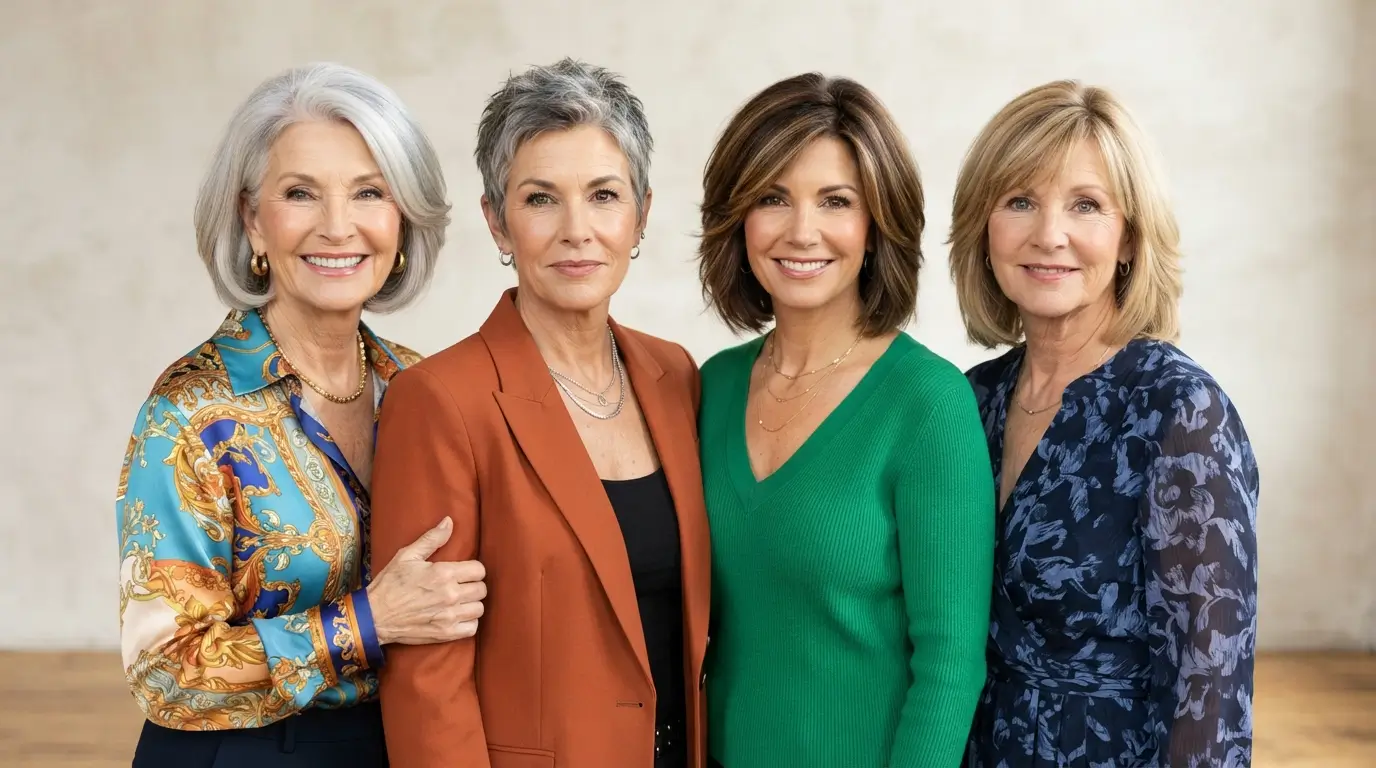
Layered Hairstyles for Older Women That Look Modern and Chic
Layered hairstyles remain popular because they can add movement, shape, and softness without forcing someone into a dramatic haircut. Well-placed layers can make fine hair appear fuller, reduce heaviness in thick hair, and help natural waves or curls sit more neatly. They also allow a haircut to frame the face in a flattering way while keeping enough length for practical everyday styling. Layered Hairstyles for Older Women
Women experiencing changes in hair density, texture, or growth patterns often find that one-length cuts no longer behave as they once did. Layers can solve those problems when the stylist adjusts the placement to match the hair rather than following a standard cutting pattern.
This guide covers 17 layered hairstyles for older women, including short, medium, and long options. You will also learn how to choose a cut for your face shape, hair type, maintenance preferences, and daily routine.
Quick Answer
The best layered hairstyles for older women create movement without removing too much density. Soft bobs, layered pixies, shoulder-length cuts, feathered styles, and long face-framing layers can all look modern. Fine hair usually benefits from light strategic layering, while thick or curly hair may need more internal shaping. Choose a cut that works with your natural texture and styling routine.
Table of Contents
- Best Layered Hairstyles for Older Women
- Choosing Layers for Your Face Shape
- Choosing Layers for Your Hair Type
- Styling and Maintenance Tips
- Comparison Table
- Common Mistakes to Avoid
- Frequently Asked Questions
- Conclusion
Best Layered Hairstyles for Older Women
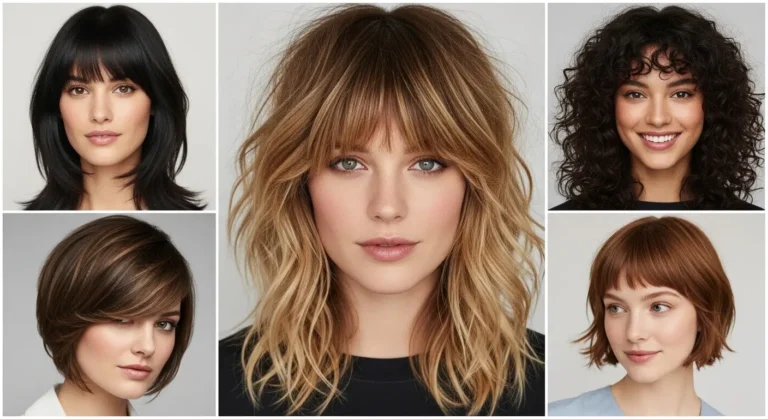
Modern layered cuts should make hair easier to manage rather than creating extra work. The right cut depends on where the layers begin, how much weight is removed, and whether the ends remain full enough for the person’s hair density. The following ideas include options for straight, wavy, curly, fine, thin, and thick hair.
Soft Layered Bob

A soft layered bob usually sits between the jaw and shoulders, with gentle layers that create movement through the ends. Unlike a sharp one-length bob, this version avoids a heavy block shape and allows the hair to fall more naturally around the face. The layers can add lift near the crown while keeping enough fullness through the lower section. The style looks polished without appearing stiff, making it suitable for work, social events, and everyday wear.
This cut works especially well for straight, slightly wavy, fine, and medium-density hair. Maintenance is moderate, with trims usually needed every six to eight weeks. Blow-dry with a medium round brush for smooth movement, or use a light mousse and allow natural waves to form. Ask your stylist for soft internal layers, subtle crown lift, and ends that remain full rather than heavily thinned. Face-framing pieces can begin near the cheekbones or jaw depending on your face shape. Layered Hairstyles for Older Women
Feathered Pixie Cut

A feathered pixie combines short sides and back with longer, textured layers on top. The feathering creates separation and movement, which prevents the haircut from looking flat or overly severe. Longer top sections can be swept to one side, lifted at the crown, or styled forward for a softer finish. This shape can highlight the eyes, cheekbones, and neckline while giving fine hair a fuller appearance.
The style suits women who prefer short hair and are comfortable with regular salon visits. Straight, slightly wavy, and fine hair usually responds well to feathered layers. Apply a small amount of lightweight mousse or root spray, then lift the top with a vent brush while blow-drying. Ask your stylist to keep softness around the temples and ears rather than cutting a harsh outline. A slightly longer fringe can add flexibility and make the pixie easier to adjust between appointments. Layered Hairstyles for Older Women
Shoulder-Length Layers

Shoulder-length layers offer a useful balance between short and long hair. The cut provides enough length for a ponytail, clip, or low bun while reducing heaviness through the ends. Layers can begin around the chin, collarbone, or lower depending on the hair’s density. This placement adds movement without making the style look overly choppy. The result feels modern, versatile, and suitable for both casual and polished styling.
Women who want flexibility without the maintenance of very long hair often prefer this length. Straight, wavy, thick, and medium-density hair can all wear customised shoulder-length layers. Use a smoothing cream for a sleek finish or a light mousse for natural waves. Ask your stylist to keep the shortest layers long enough to tuck behind the ears. Fine hair should have fewer layers, while thick hair may need more internal weight removal to stop the ends from looking bulky.
Layered Lob with Side Bangs

A layered lob falls between the chin and collarbone and includes side-swept bangs that blend into the front layers. The diagonal fringe softens the forehead and draws attention toward the eyes, while the layered length creates movement around the jaw and shoulders. This combination can make the haircut appear fuller without adding excessive volume at the sides. It also gives a classic bob a softer, more current finish.
The cut suits oval, round, square, and heart-shaped faces because the side bangs can be adjusted to balance different proportions. Straight and wavy hair work especially well, although thick hair may need careful thinning underneath. Blow-dry the fringe across the forehead with a small round brush, then bend the ends of the lob inward or outward. Ask your stylist for long side bangs that begin near the brow and blend gradually toward the cheekbone. Avoid a thick, disconnected fringe. Layered Hairstyles for Older Women
Short Shag Haircut

A short shag uses textured layers through the crown, sides, and ends to create relaxed movement. The haircut often includes a soft fringe or shorter face-framing sections, but it should not look overly messy. Modern shags keep enough shape around the perimeter so the style still feels intentional. Crown layers can add lift, while broken ends help thick or wavy hair move more freely.
This style is ideal for women who like a casual finish and do not want every strand to sit perfectly. Wavy, curly, medium-thick, and slightly coarse hair usually suits a shag well. Fine hair can also wear a softer version with fewer layers. Apply mousse or texture spray and scrunch while drying, then separate the ends with your fingers. Ask your stylist for blended shag layers rather than extreme thinning. The fringe should follow your natural growth pattern and remain long enough for easy styling.
Long Layers with Face Framing

Long layers preserve overall length while adding movement through the lower sections. Face-framing pieces can begin around the cheekbones, jaw, or collarbone to soften the features and connect the front of the haircut to the rest of the hair. This approach prevents long hair from looking heavy or shapeless. It also gives the ends more movement when styled straight, wavy, or curled.
Women who enjoy longer hair but want a more polished outline often choose this style. It suits straight, wavy, thick, and medium-density hair, while fine hair should keep the layers longer and limited. Use a large round brush for smooth bends or a wide curling iron for soft waves. Ask your stylist to preserve density through the bottom and avoid short layers near the crown unless extra volume is needed. Face-framing pieces should be cut according to your natural part and preferred daily style. Layered Hairstyles for Older Women
Stacked Layered Bob

A stacked bob features shorter layers at the back that gradually become longer toward the front. The stacked section creates lift around the crown and gives the haircut a rounded, structured shape. Longer front pieces help keep the style modern and prevent it from looking too traditional. The cut can appear sleek or softly textured depending on how it is styled.
This option works well for women with straight, fine, or medium-density hair who want more fullness at the back. Maintenance is moderate to high because the shape needs regular trimming, usually every five to seven weeks. Blow-dry the back with a small round brush to support lift, then smooth the front pieces toward the jaw. Ask your stylist for a soft stack rather than an exaggerated wedge. Keeping the front slightly longer creates a more flattering transition and allows the cut to grow out more gracefully.
Layered Cut with Curtain Bangs
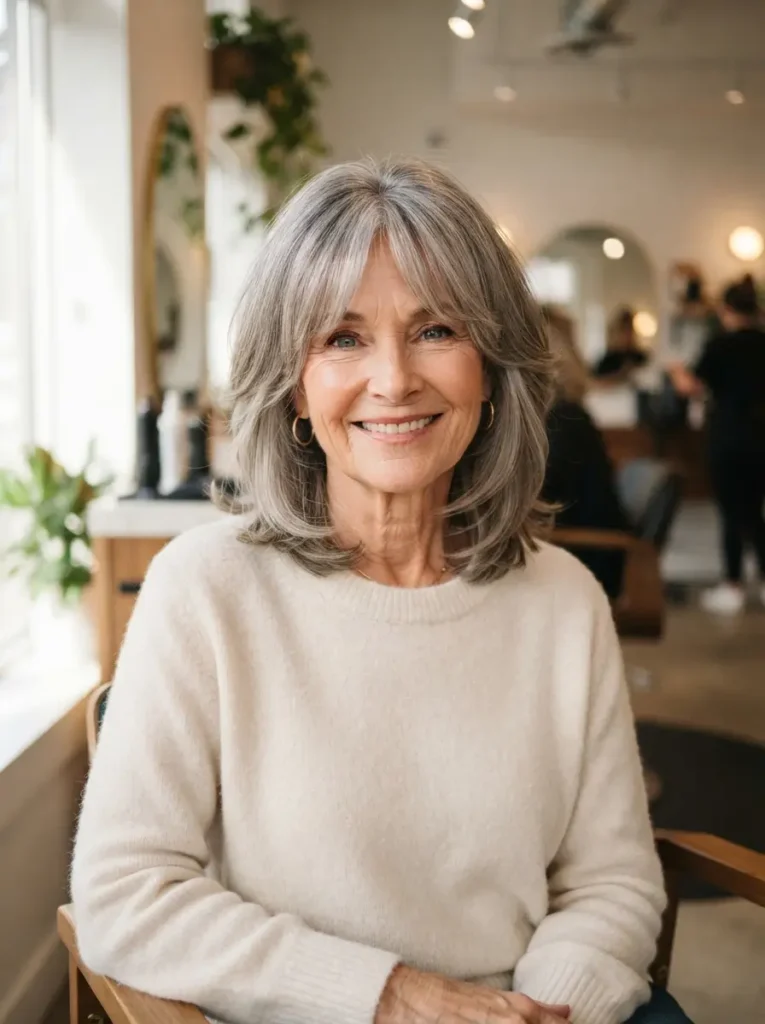
Curtain bangs part near the centre and blend into layered hair around the temples and cheekbones. Their open shape keeps the forehead visible while creating softness around the face. When paired with medium or long layers, the fringe connects smoothly to the haircut and adds movement without looking separate. The style can feel relaxed, elegant, or slightly retro depending on the amount of volume.
Women who want bangs without committing to a short fringe often find curtain bangs practical. Straight, wavy, fine, and thick hair can all wear a customised version. Blow-dry each side away from the face with a round brush or large roller. Ask your stylist to keep the shortest centre pieces around eyebrow or eye level, with longer edges blending into the front layers. A longer curtain fringe is easier to tuck behind the ears and usually needs less frequent trimming.
Chin-Length Textured Bob
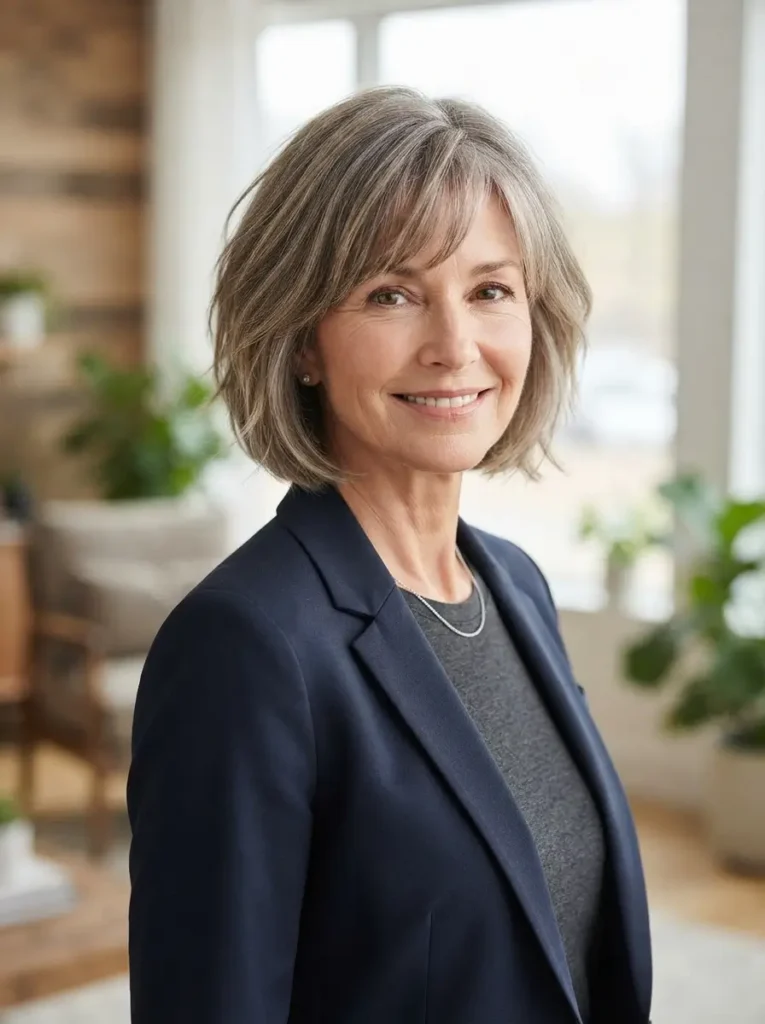
A chin-length textured bob creates a clean outline while using light layers to prevent the ends from appearing heavy. The texture adds movement and helps the cut follow the jaw without forming a rigid shape. Slight separation at the ends can make the style look fresh and modern, while a soft side part or light fringe can further balance the face.
This haircut suits women with straight, slightly wavy, fine, or medium-density hair. It can also work for thick hair when the stylist removes internal bulk carefully. Maintenance is moderate because the chin-length outline becomes noticeable as it grows. Use a light styling cream for smoothness or texture spray for a more relaxed finish. Ask your stylist for point-cut ends, gentle internal layers, and enough length around the front to suit your jawline. Avoid excessive thinning, which may make the perimeter look weak. Layered Hairstyles for Older Women
Wavy Layered Lob
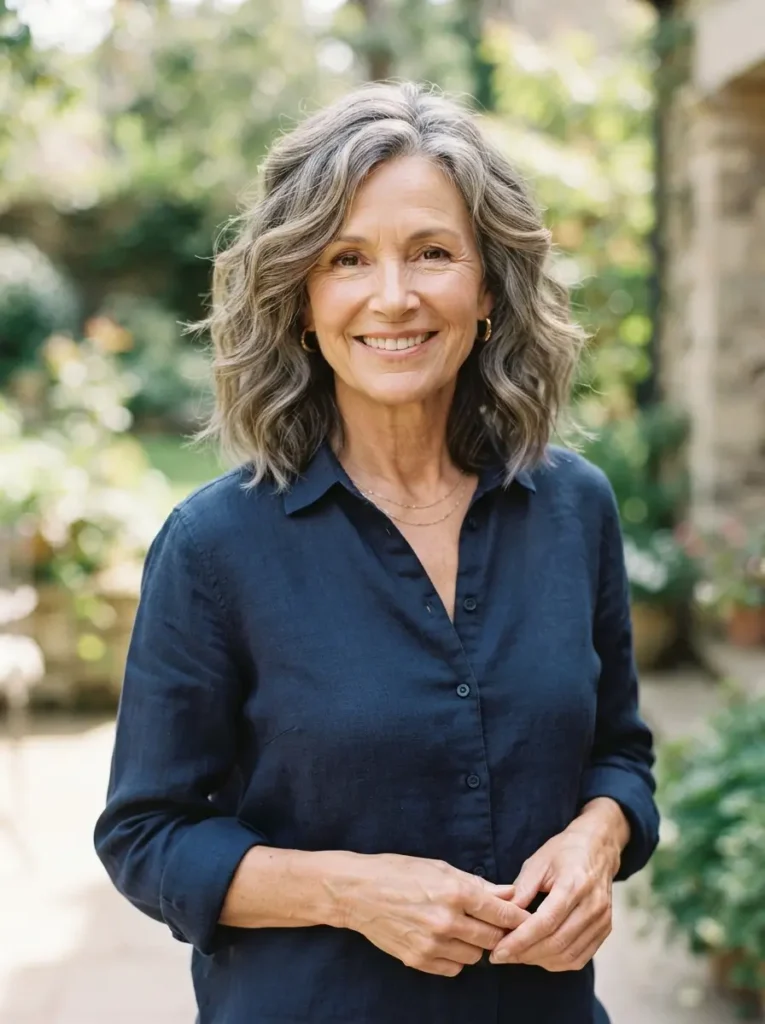
A wavy layered lob combines collarbone-length hair with soft layers that encourage natural bends. The cut allows waves to form without creating a wide triangular shape at the bottom. Layers around the face and crown can add lift, while the longer perimeter keeps the style substantial. The result feels effortless but still has enough structure to look polished.
This style is best for naturally wavy hair or straight hair that holds curls easily. Maintenance is moderate, although the loose shape makes growth less noticeable. Apply lightweight mousse or curl cream, scrunch the hair, and diffuse on low heat. Ask your stylist to cut the layers based on your natural wave pattern and to avoid removing too much weight from the ends. Women with fine hair should keep the crown layers subtle, while thick hair may need more shaping underneath. Layered Hairstyles for Older Women
Curly Layered Bob

A curly layered bob uses graduated lengths to help curls sit in a balanced shape. Without layers, curly hair can become heavy at the bottom or flat at the crown. Carefully placed layers allow curls to spring up, improve definition, and reduce the appearance of a triangular silhouette. The bob may sit around the jaw, neck, or shoulders depending on shrinkage and curl pattern.
Women with naturally curly or coily hair benefit most from a stylist who understands dry cutting and shrinkage. Maintenance varies, but reshaping is often needed every eight to twelve weeks. Use a lightweight curl cream or gel, then dry with a diffuser or allow the hair to air-dry. Ask your stylist to cut the curls near their natural state and preserve enough weight for definition. Avoid aggressive thinning shears, which can create frizz and uneven curl formation. Layered Hairstyles for Older Women
Tapered Pixie with Layers
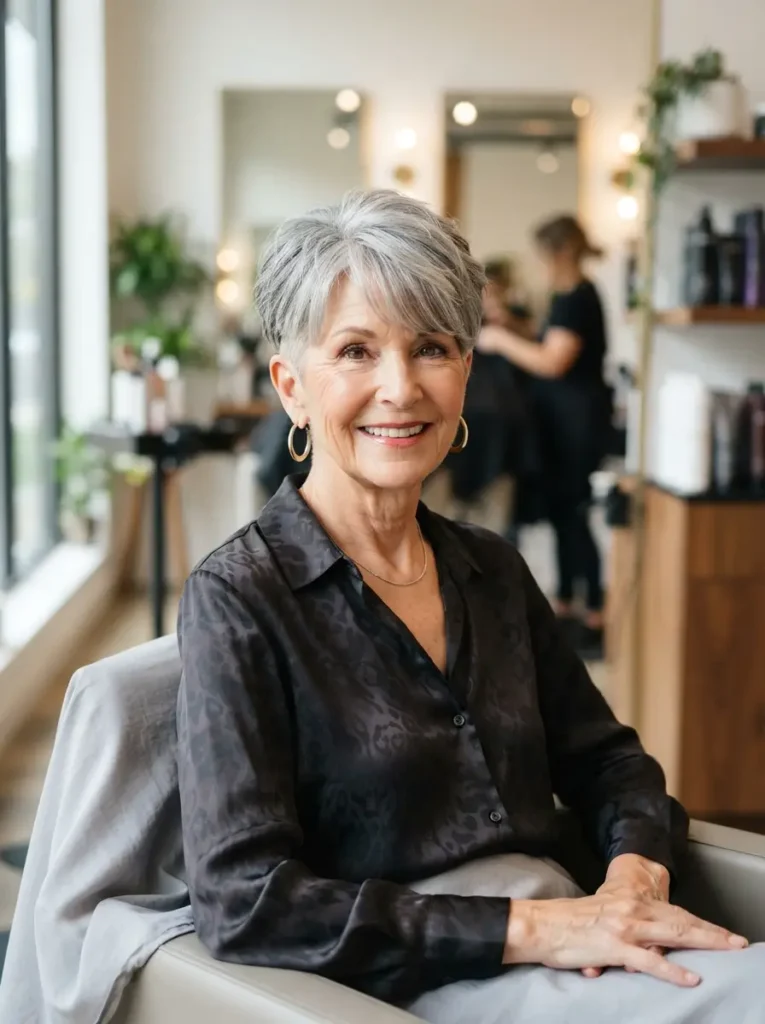
A tapered pixie keeps the sides and back neat while leaving more length and texture on top. The gradual taper creates a clean outline around the neck and ears, while the top layers add softness and movement. This shape can be styled sleek, swept to one side, or lifted for volume. It looks current because the contrast between the neat perimeter and textured top feels intentional.
The haircut suits straight, wavy, fine, and thick hair when adjusted correctly. Women who prefer easy washing and quick daily styling often appreciate this option, although salon visits may be needed every four to six weeks. Use a small amount of matte paste or lightweight styling cream to define the top. Ask your stylist for a soft taper rather than a harsh clipper line, with enough length around the fringe to create different looks.
Medium Feathered Haircut
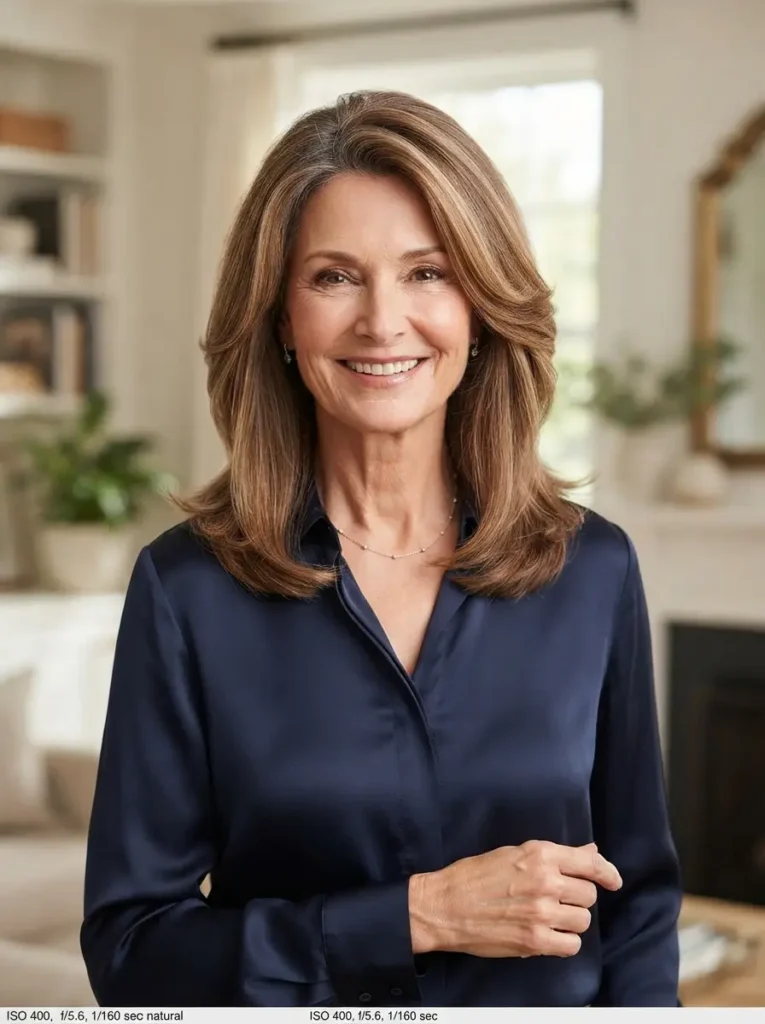
A medium feathered haircut uses soft layers that turn away from the face and create movement through the sides. The feathering can begin near the cheekbones and continue toward the shoulders, helping the haircut appear lighter without becoming thin. This style offers a polished shape and works especially well for women who enjoy volume around the crown and face.
Straight and slightly wavy hair show the feathered layers most clearly. Medium to thick density usually supports the shape, while fine hair needs lighter layering. Blow-dry with a round brush and direct the front sections away from the face. A light volumising spray can help maintain lift without stiffness. Ask your stylist for blended feathering rather than short disconnected layers. The shortest pieces should suit your forehead, cheekbone, and jaw proportions rather than following one fixed length. Layered Hairstyles for Older Women
Layered Cut for Fine Hair
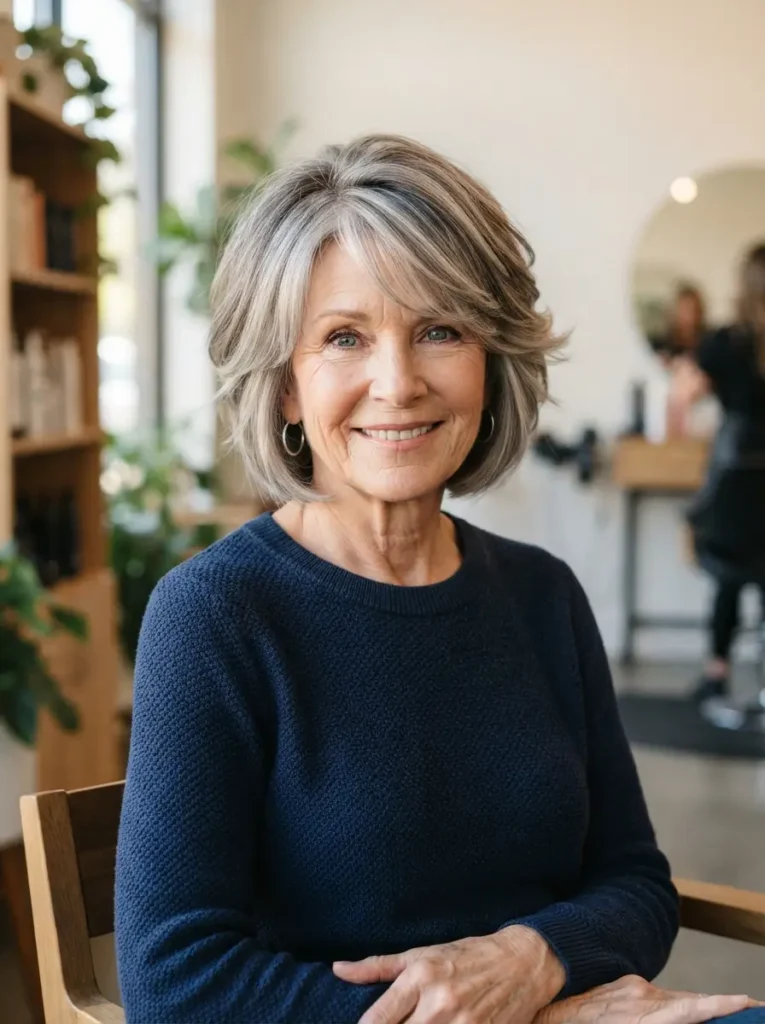
A layered cut for fine hair should create movement without removing the density needed for a full-looking perimeter. Long, soft layers usually work better than many short sections. Subtle crown lift and face-framing pieces can add shape, while the bottom remains blunt or lightly textured. The goal is to prevent flatness without making the ends appear sparse.
This approach suits fine straight or slightly wavy hair at short, medium, or longer lengths. Maintenance depends on the chosen cut, but trims every six to eight weeks help keep the ends healthy. Use root-lifting spray, lightweight mousse, or a dry texture product. Ask your stylist to take a conservative approach and avoid deep thinning. Layers should support volume where you need it, especially near the crown, while leaving enough hair through the sides and ends.
Layered Cut for Thick Hair

Thick hair often benefits from internal layers that remove bulk without making the surface look overly choppy. The cut may include long outer layers, hidden weight removal, and face-framing pieces that soften the front. Proper layering helps thick hair move more freely, reduces drying time, and prevents the ends from expanding into a wide shape.
Women with dense straight, wavy, or curly hair can wear this style at almost any length. Maintenance is moderate because thick hair may hold its shape longer, although the weight can return as it grows. Use smoothing cream, lightweight oil on the ends, or curl products suited to your texture. Ask your stylist for internal shaping and controlled weight removal rather than aggressive thinning throughout. The perimeter should stay strong enough to prevent frizz and uneven ends. Layered Hairstyles for Older Women
Grey Layered Bob

A grey layered bob uses soft shaping to highlight natural silver, white, or salt-and-pepper tones. Layers catch light differently across the hair, which can make the colour appear more dimensional. A jaw-length or neck-length bob also keeps the shape neat while avoiding the heaviness of a one-length cut. The style can look sleek, textured, or softly waved.
Women embracing natural grey hair often find this cut practical because it combines structure with easy styling. Straight, wavy, fine, and medium-thick hair can all wear the look. Use a moisturising styling cream and occasional purple shampoo if yellow tones become noticeable. Ask your stylist to choose layers that support your natural texture and preserve shine. Grey hair can be drier or more wiry, so excessive texturising may increase frizz instead of improving movement.
Layered Hair with Wispy Bangs

Wispy bangs use light, separated strands across the forehead and blend easily into layered hair. The soft spacing prevents the fringe from looking heavy and can make the eyes appear more noticeable. Paired with a bob, lob, shoulder-length cut, or longer layers, wispy bangs create a gentle transition around the face. The overall effect feels modern and approachable rather than overly formal.
This style works best for fine, straight, and slightly wavy hair, although thicker hair can be carefully reduced. Maintenance is moderate because fringe may need trimming every four to six weeks. Use dry shampoo at the roots and a small round brush to create a light bend. Ask your stylist for a narrow fringe section with textured ends and longer temple pieces. Avoid taking hair from too far back on the crown, especially when overall density is limited. Layered Hairstyles for Older Women
How to Choose the Best Layered Hairstyles for Older Women for Your Face Shape
Face shape should guide the placement of layers rather than determine whether you can wear a particular haircut. Small adjustments in length, fringe, and volume can make the same basic style work for different features.
Round Face
Round faces often benefit from layers that create vertical movement. Shoulder-length cuts, long bobs, side-swept fringe, and face-framing pieces that begin below the cheekbones can make the face appear longer. Avoid placing the widest volume directly beside the cheeks.
Oval Face
Oval faces can usually wear most layered lengths. Soft bobs, pixies, shags, and longer layers all work well. The main goal is maintaining balance rather than correcting width or length. Choose the cut according to hair texture and maintenance preference.
Square Face
Square faces often suit soft layers around the jaw and cheekbones. Wavy lobs, feathered cuts, curtain bangs, and textured bobs can soften strong angles. Avoid a heavy blunt line that ends exactly at the widest part of the jaw unless you prefer a sharper effect.
Heart-Shaped Face
Heart-shaped faces may have a wider forehead and narrower chin. Curtain bangs, side bangs, chin-length bobs, and layers that add movement near the jaw can create balance. Keep excessive crown volume under control if it makes the upper face appear wider.
Long Face
Long faces benefit from styles that add width through the sides rather than height at the crown. Chin-length bobs, shoulder-length waves, curtain bangs, and medium feathered cuts can work well. Very long straight layers with high crown volume may make the face appear longer.
Diamond Face
Diamond faces usually have prominent cheekbones and narrower forehead and jaw areas. Side bangs, chin-length bobs, and soft layers near the temples and jaw can balance the shape. Avoid adding the most volume directly at cheekbone level.
How to Choose the Best Layered Hairstyles for Older Women for Your Hair Type
Hair type affects how layers fall, how much maintenance they require, and whether they create fullness or remove too much weight. A stylist should adapt the same haircut differently for each texture.
Straight Hair
Straight hair shows every cutting line clearly. Soft bobs, feathered layers, lobs, and pixies work well when the edges remain blended. Fine straight hair needs conservative layering, while thick straight hair may benefit from internal weight removal. Light mousse and round-brush styling can add movement.
Wavy Hair
Wavy hair responds well to shags, layered lobs, shoulder-length cuts, and curtain bangs. Layers should follow the natural wave pattern rather than forcing a perfectly smooth shape. Cutting the hair slightly longer allows for lift and shrinkage after drying.
Curly Hair
Curly hair needs layers that create balance while preserving curl definition. Dry cutting or curl-by-curl shaping can improve accuracy. Avoid excessive thinning because it may create frizz. Lightweight cream, gel, and careful diffusing usually support the finished shape.
Thick Hair
Thick hair often needs internal layers to reduce bulk. Longer outer layers keep the shape polished, while hidden weight removal helps the hair move. A stylist should avoid cutting every layer too short because that can create excessive volume near the crown or sides.
Thin Hair
Thin hair usually benefits from fewer layers and a stronger perimeter. A soft bob, lob, or shoulder-length cut can make the ends appear fuller. Face-framing layers should remain limited so the front does not lose density.
Fine Hair
Fine strands need lightweight products and strategic volume. Short pixies, soft bobs, and long layers with minimal thinning often work well. Heavy oils and rich creams may flatten the style. Root spray, mousse, and dry texture products can add lift without weight.
Styling and Maintenance Tips
- Wash hair according to scalp needs rather than following a fixed schedule. Fine hair may need more frequent washing, while curly or dry hair may benefit from longer gaps.
- Use shampoo mainly on the scalp and conditioner through the mid-lengths and ends. Heavy conditioner near the roots can reduce volume.
- Apply heat protectant before blow-drying, straightening, or curling. Choose a lightweight formula for fine hair and a more moisturising option for coarse hair.
- Keep heat settings moderate. Fine, grey, and chemically treated hair usually needs less heat than thick, healthy hair.
- Use a round brush for feathered layers, bobs, and curtain bangs. Larger brushes create softer movement, while smaller brushes create more bend.
- Add root-lifting spray or mousse before blow-drying when the crown needs volume. Use only enough product to support the shape.
- Dry the roots in the opposite direction from where they normally fall, then guide them back into place. This can create natural lift.
- Let wavy or curly hair dry partially before diffusing. Low airflow helps reduce frizz and preserves curl groups.
- Trim short cuts every four to six weeks. Bobs and lobs usually need shaping every six to eight weeks, while long layers may last eight to twelve weeks.
- Avoid applying too much oil near the scalp. Concentrate smoothing products on dry ends and areas prone to frizz.
- Sleep on a satin or silk-style pillowcase to reduce friction. Curly and fine hair may experience less tangling and breakage.
- Use dry shampoo before the roots become very oily. Applying a small amount at night can create a more natural finish by morning.
- Refresh layers between washes with a light mist of water, leave-in spray, or curl refresher. Avoid repeatedly adding heavy products.
- Clean brushes and styling tools regularly. Product buildup can make freshly washed hair feel greasy or dull.
- Bring reference photos to every major haircut appointment. Include examples with hair density and texture similar to your own.
Comparison Table
| Hairstyle | Best For | Hair Type | Maintenance | Styling Product |
| Soft Layered Bob | Everyday polished style | Straight, wavy, fine | Medium | Lightweight mousse |
| Feathered Pixie Cut | Short hair with lift | Straight, fine | High | Root spray |
| Shoulder-Length Layers | Styling flexibility | Straight, wavy, thick | Medium | Smoothing cream |
| Layered Lob with Side Bangs | Soft face framing | Straight, wavy | Medium | Flexible hairspray |
| Short Shag Haircut | Relaxed texture | Wavy, curly, thick | Low to medium | Texture spray |
| Long Layers with Face Framing | Keeping length | Straight, wavy, thick | Low | Heat protectant |
| Stacked Layered Bob | Crown volume | Straight, fine | High | Volumising mousse |
| Layered Cut with Curtain Bangs | Flexible fringe | Straight, wavy | Medium | Root-lifting spray |
| Chin-Length Textured Bob | Defined jaw-length style | Straight, fine | Medium | Styling cream |
| Wavy Layered Lob | Natural waves | Wavy | Medium | Curl mousse |
| Curly Layered Bob | Balanced curl shape | Curly, coily | Medium | Curl cream |
| Tapered Pixie with Layers | Easy daily styling | Straight, wavy, thick | High | Matte paste |
| Medium Feathered Haircut | Soft movement | Straight, wavy | Medium | Volumising spray |
| Layered Cut for Fine Hair | Preserving fullness | Fine, thin | Medium | Lightweight mousse |
| Layered Cut for Thick Hair | Reducing bulk | Thick, coarse | Medium | Smoothing serum |
| Grey Layered Bob | Natural silver hair | Straight, wavy | Medium | Moisturising cream |
| Layered Hair with Wispy Bangs | Soft fringe | Fine, straight | Medium | Dry shampoo |
Common Mistakes to Avoid
Choosing a Haircut Only Because It Is Trending
Popular styles may not work with every density, growth pattern, or daily routine. A short shag may look effortless in a photograph but require more styling on very straight hair. Choose the features you like, then ask your stylist to adapt them to your texture.
Ignoring Natural Hair Texture
Layers behave differently on straight, wavy, curly, fine, and thick hair. A cutting pattern designed for straight hair may create too much volume or frizz on curls. Discuss how you normally wear your hair before the stylist begins cutting.
Removing Too Much Density
Excessive thinning can make fine or ageing hair look sparse. Thick hair also needs careful weight removal because aggressive thinning may cause frizz and uneven ends. Ask for strategic internal layering rather than general thinning throughout the haircut.
Adding Too Many Short Layers
Short layers can create crown volume, but too many may make the haircut difficult to control. They may also prevent the hair from fitting into a ponytail or clip. Decide how much styling flexibility you need before choosing layer length.
Using Too Much Product
Heavy creams, oils, waxes, and sprays can flatten layers or make the hair look greasy. Begin with a small amount and add more only where needed. Fine hair usually responds best to mousse, root spray, and light texture products.
Forgetting Maintenance Requirements
Pixies, stacked bobs, and short fringes need frequent shaping. Longer layered cuts offer more forgiving growth. Choose a haircut that matches how often you are willing to visit the salon.
Not Showing Reference Photos
Haircut names can mean different things to different stylists. Bring photos showing the length, layer placement, fringe, and finish you want. Include at least one example with hair texture similar to yours.
Expecting Layers to Fix Damaged Ends
Layers can remove some damaged sections, but they cannot repair split or weakened hair. Regular trims, gentle heat use, and suitable conditioning still matter. Ask the stylist whether the healthiest result requires taking off more length.
Frequently Asked Questions
What is the most flattering layered haircut for older women?
Soft bobs, shoulder-length layers, feathered pixies, and layered lobs are widely flattering choices. The best option depends on hair density, texture, face shape, and maintenance preference. A customised cut will usually look better than choosing one style for every age.
Do layers make older women look younger?
Layers can create movement, lift, and softness, which may give the haircut a fresher appearance. Results depend on placement and styling rather than age alone. Poorly placed layers can make hair look thinner, so careful customisation matters.
Are layered bobs good for fine hair?
Layered bobs can suit fine hair when the stylist keeps the perimeter full and uses only light layering. Too many short layers may reduce density through the ends. A soft bob with subtle crown lift often creates a fuller appearance.
What layered haircut works best for thick hair?
Thick hair often benefits from long layers and internal weight removal. Shoulder-length cuts, layered lobs, and long face-framing styles can reduce bulk without creating frizz. The stylist should preserve a strong outer shape.
Are short layered hairstyles easy to maintain?
Daily styling may be quick, but short cuts need frequent salon visits to hold their shape. Pixies and stacked bobs often require trims every four to six weeks. Longer layered bobs may be slightly more forgiving.
Can curly hair look good with layers?
Curly hair often looks more balanced with carefully placed layers. Layers can improve curl definition, reduce heaviness, and prevent a triangular shape. Dry cutting or curl-by-curl shaping may give the most predictable result.
Which layered hairstyle suits a round face?
Layered lobs, side-swept bangs, shoulder-length cuts, and long face-framing layers work well for many round faces. Volume should sit above or below the cheeks rather than directly beside them. Diagonal lines and longer front pieces can create balance.
How often should layered hair be trimmed?
Short layered cuts generally need trimming every four to six weeks. Medium styles may last six to eight weeks, while long layers can often go eight to twelve weeks. Hair condition and preferred shape affect the schedule.
Should older women avoid long hair?
Age does not determine whether long hair looks good. Healthy long hair with suitable layers can appear polished and modern. The main considerations are density, condition, maintenance, and how the length suits daily life.
What should I ask my stylist before getting layers?
Ask where the shortest layer will begin, how much density will be removed, and how the cut will look without styling. Explain your normal routine and bring several reference photos. Discuss how often the style will need trimming before committing.
Conclusion
Layered hairstyles for older women can look modern, polished, and easy to wear when the cut respects the hair’s natural texture. Soft bobs, feathered pixies, layered lobs, curly bobs, and longer face-framing styles offer options for nearly every length and density.
The most successful haircut is not simply the trendiest one. It should create movement where the hair feels heavy, preserve fullness where density is limited, and fit the amount of daily styling you are willing to do.
Bring clear reference photos to your appointment, explain how you normally wear your hair, and ask the stylist to adjust the layers to your face shape and hair type. A thoughtful layered cut should feel comfortable, manageable, and personal.