Wolf Cut vs Butterfly Cut: Which Style Suits You?
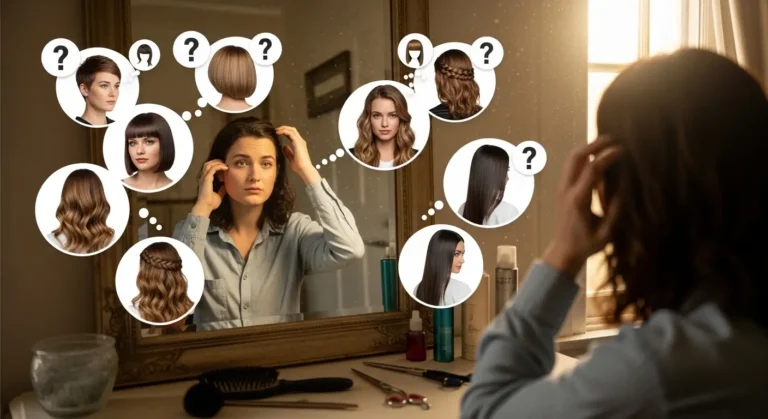
Hair decisions feel surprisingly emotional. One day, you want soft movement that frames your face gently, and the next day, you crave something bold and a little rebellious. Wolf cut…
Hair decisions feel surprisingly emotional. One day, you want soft movement that frames your face gently, and the next day, you crave something bold and a little rebellious. Wolf cut and butterfly cut sit right at that crossroads. Both look layered, both feel modern, yet they give completely different energy once you actually wear them.
Choosing between them is less about trends and more about how you want to feel every morning. Some styles bring effortless volume and softness, while others create edge and confidence without trying too hard. Understanding mood, styling effort, and everyday comfort makes the choice easier and far more personal.
Understanding Wolf Cut and Butterfly Cut Energy
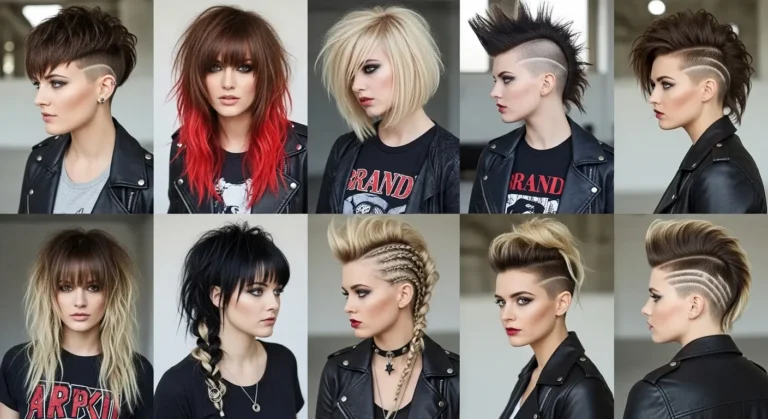
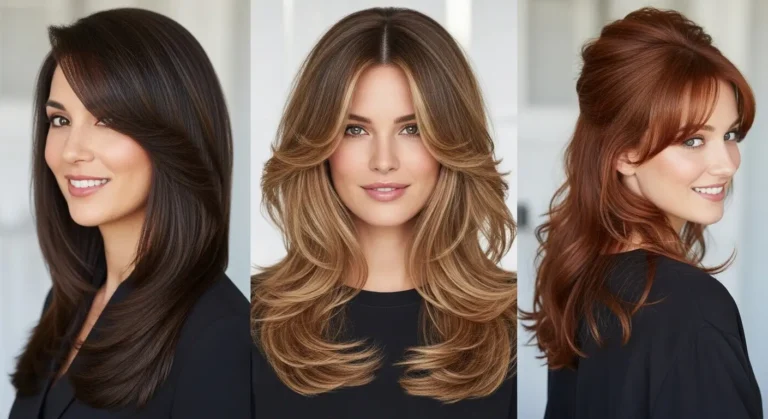
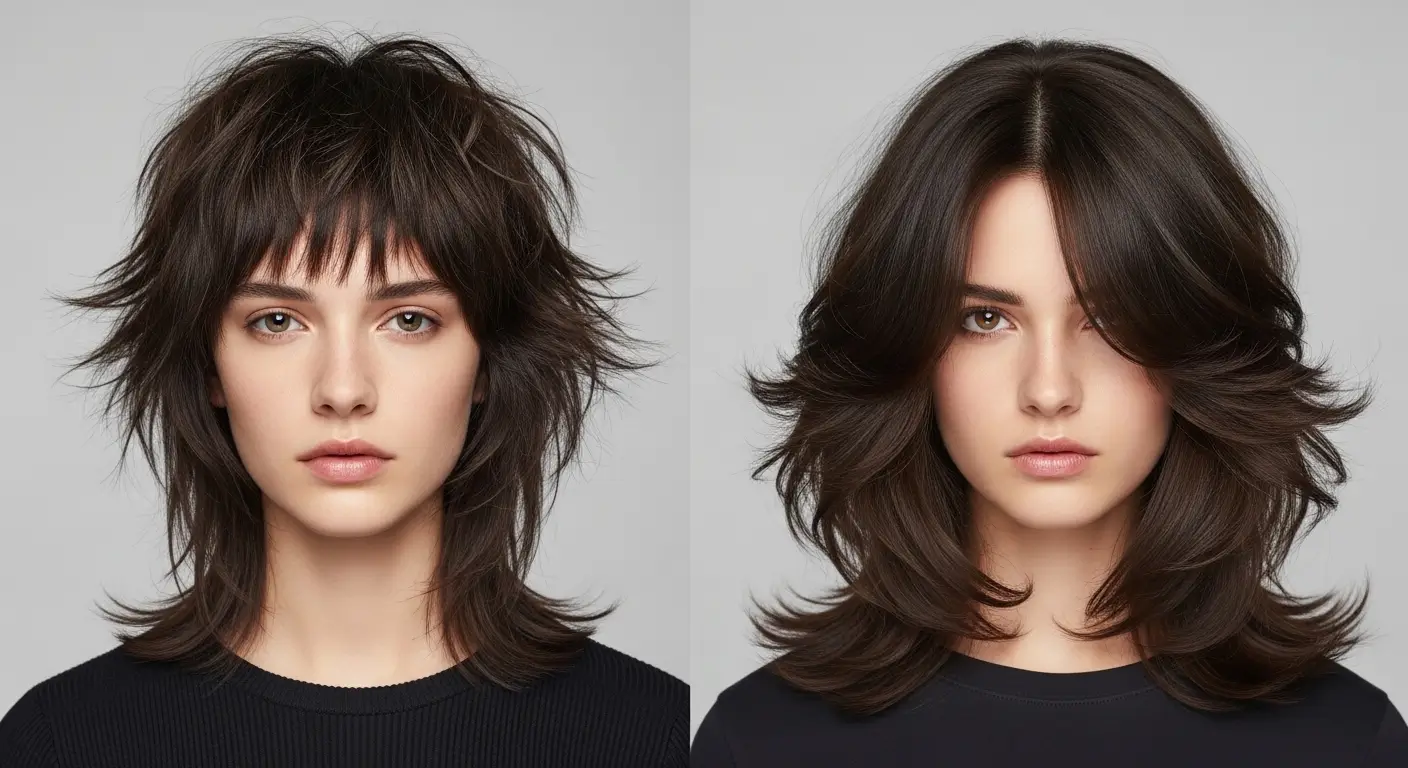
Wolf cut carries a wild, textured attitude with visible layers and airy movement. Butterfly cut leans softer, floating around the face with longer blended layers that feel romantic and light. One feels expressive and bold, while the other feels polished yet relaxed. Matching haircut energy with lifestyle often makes the biggest difference.
Wolf Cut vs Butterfly Cut for Soft Everyday Volume
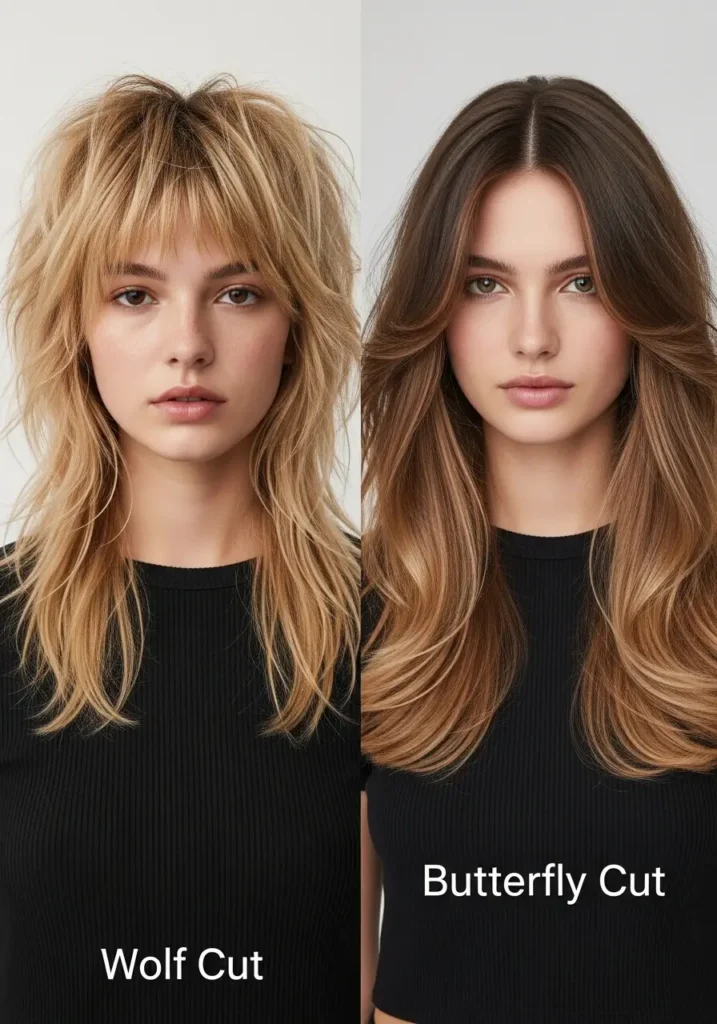
Wolf cut creates volume through choppy layering that lifts hair naturally, giving relaxed, undone energy that feels youthful and expressive. Butterfly cut builds volume differently, using long cascading layers that move gently instead of sharply. Morning styling feels quicker with butterfly layers since hair falls into place with minimal effort, while the wolf cut thrives with texture sprays and tousling. Anyone wanting movement without heavy styling may feel drawn toward butterfly softness, while those who enjoy playful messiness often love wolf cut personality. Mood here matters most because one style whispers elegance while the other speaks confidence through texture and motion that feels alive throughout the day.
Wolf Cut vs Butterfly Cut for Face Framing Effect
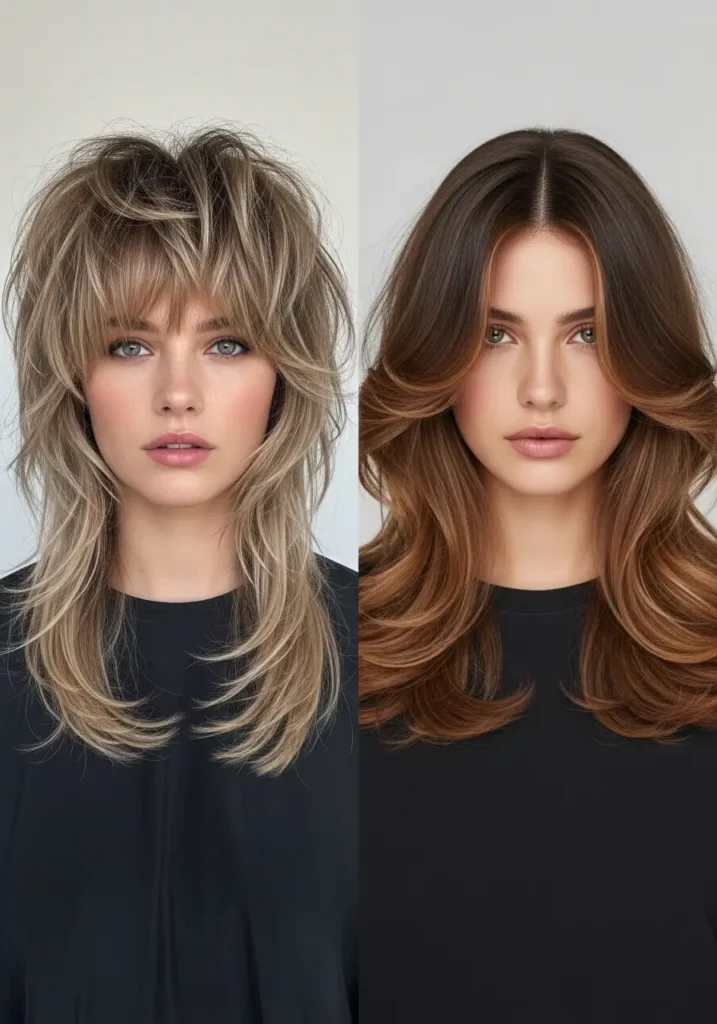
Wolf cuts frames the face through shorter top layers that create an edgy structure and visible shape. Butterfly cut surrounds the face with longer feathered pieces that soften features and add graceful flow. People who love dramatic framing usually enjoy wolf cut intensity, while the butterfly cut feels flattering in a quieter way. Styling experience also changes since wolf layers respond well to air drying and texture creams, whereas butterfly layers shine with soft blowouts. Overall feeling becomes either bold and expressive or airy and romantic, depending on how strongly you want your haircut to shape facial focus.
Wolf Cut vs Butterfly Cut for Low-Maintenance Styling
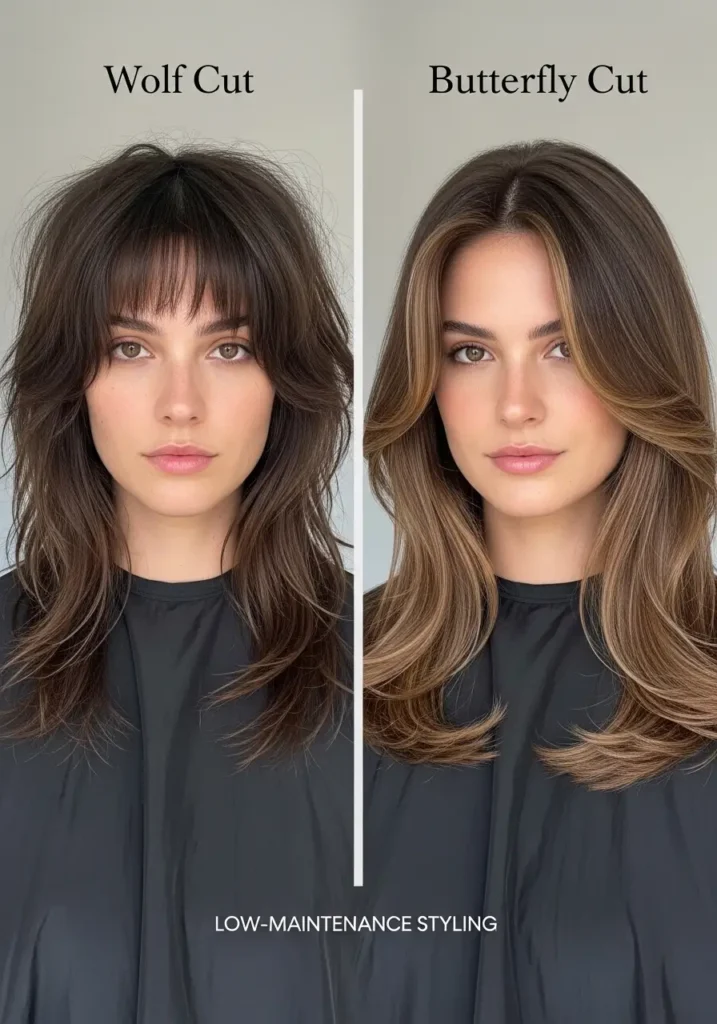
Wolf cut often looks better, slightly messy, making it surprisingly forgiving for busy mornings. Layers create texture naturally, so perfection never feels necessary. Butterfly cut asks for smoother styling to show its flow, though it remains manageable with simple brushing and light heat styling. Daily routine changes depending on preference for polished or carefree results. Wolf cut suits people who like spontaneous styling, while the butterfly cut feels ideal for someone who enjoys soft structure without spending too much time in front of the mirror. Both styles stay wearable, yet the maintenance mode feels noticeably different.
Wolf Cut vs Butterfly Cut for Thick Hair Movement
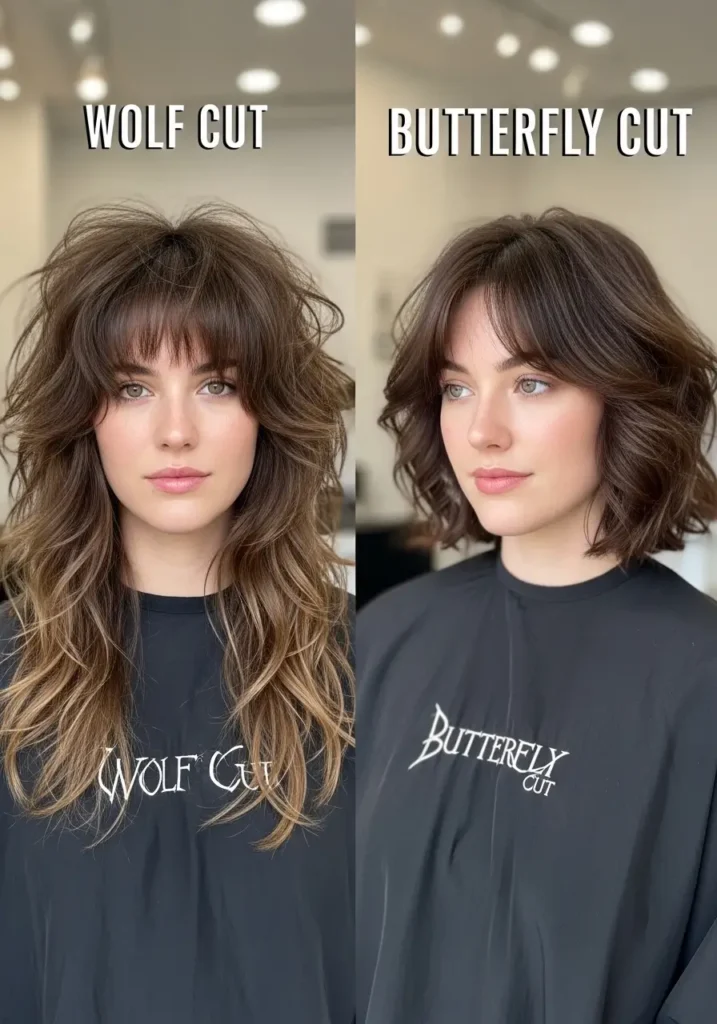
Wolf cut removes weight through aggressive layering, allowing thick hair to feel lighter and more breathable. Butterfly cut keeps fullness while shaping layers strategically, giving thick hair an elegant flow rather than sharp separation. Styling experience depends on desired outcome: wolf cut creates dramatic movement with natural bounce, while butterfly cut allows hair to glide smoothly with controlled volume. People wanting freedom from heaviness often lean toward wolf layering, while those who still love fullness but want shape may prefer butterfly structure. Emotional vibe shifts between energetic texture and soft, luxurious movement.
Wolf Cut vs Butterfly Cut for Fine Hair Illusion
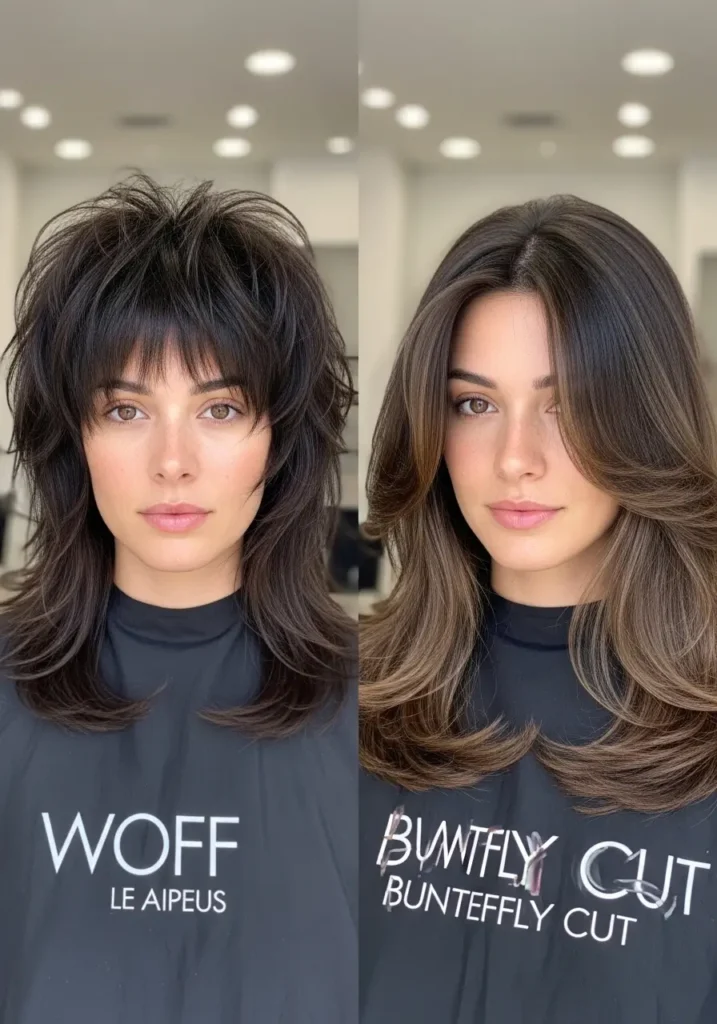
Wolf cut builds an illusion of density using stacked layers that create lift near the crown. Butterfly cut adds fullness through flowing layers that reflect light and movement rather than texture contrast. Fine hair benefits from both styles differently, depending on styling habits. The wolf cut works well with volumizing sprays and casual styling, while the butterfly cut pairs beautifully with round-brush blowouts that create airy softness. Feeling shifts between playful texture and graceful volume, allowing fine hair to appear fuller while still feeling lightweight and natural.
Wolf Cut vs Butterfly Cut for Curly Hair Personality
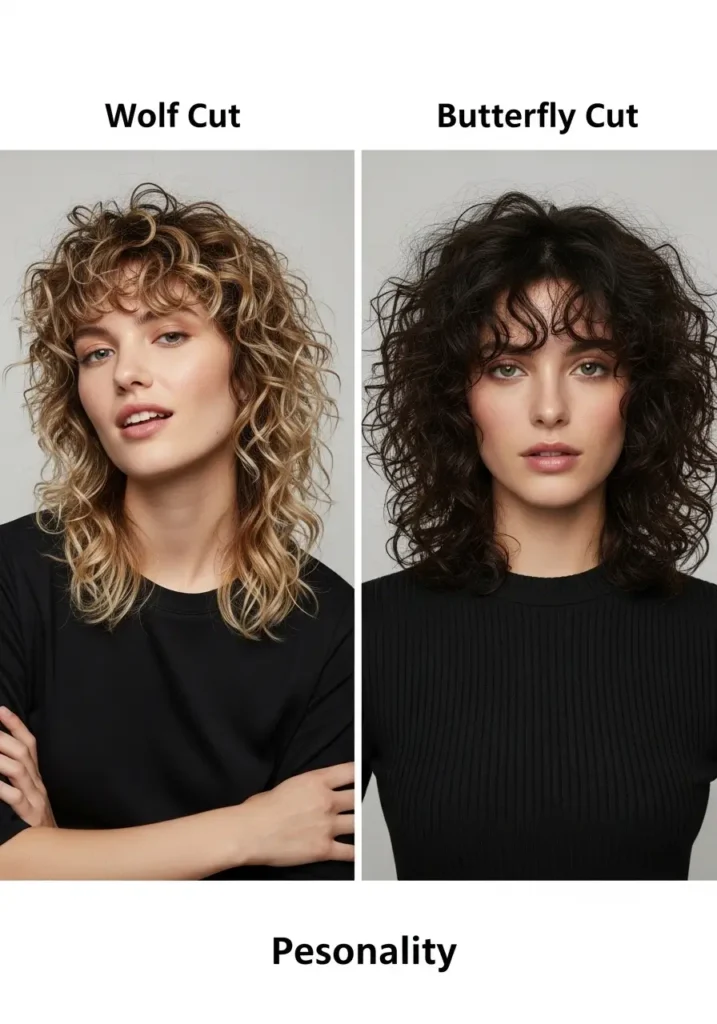
Wolf cut brings out natural curl personality by allowing layers to bounce freely, creating movement that feels spontaneous and expressive. Butterfly cut shapes curls in a softer cascade, letting them fall gently around the shoulders with balanced flow. Curly hair often reacts beautifully to wolf layering because it reduces heaviness while keeping energy alive. Butterfly layering works best when curls need structure without losing softness. Emotional vibe becomes either lively and textured or calm and romantic, depending on how much definition you want curls to show in everyday life.
Wolf Cut vs Butterfly Cut for Straight Hair Styling Mood
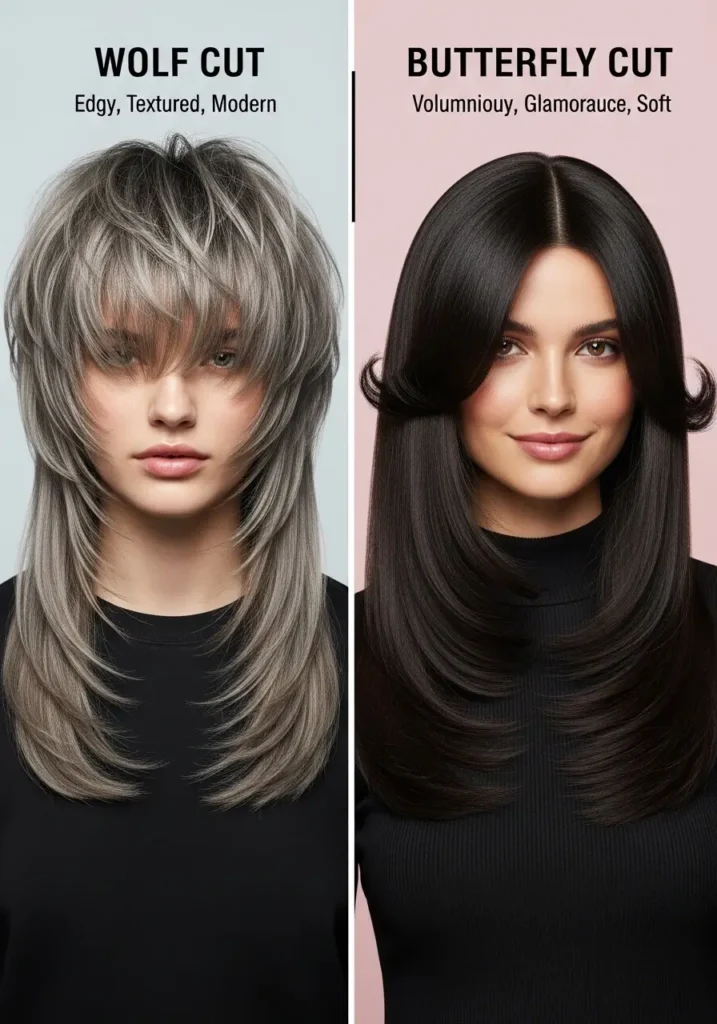
Straight hair transforms differently with each cut. Wolf cut adds texture and dimension, preventing hair from looking flat while creating effortless movement. Butterfly cut keeps sleekness intact while introducing flowing layers that move gently when walking. Styling routine shifts depending on personality preference. Wolf cut benefits from texture sprays and finger styling, while the butterfly cut shines through smooth blow-dried finishes. Mood changes between edgy confidence and polished softness, allowing straight hair to feel either modern and bold or quietly elegant without dramatic effort.
Wolf Cut vs Butterfly Cut for Long Hair Lovers
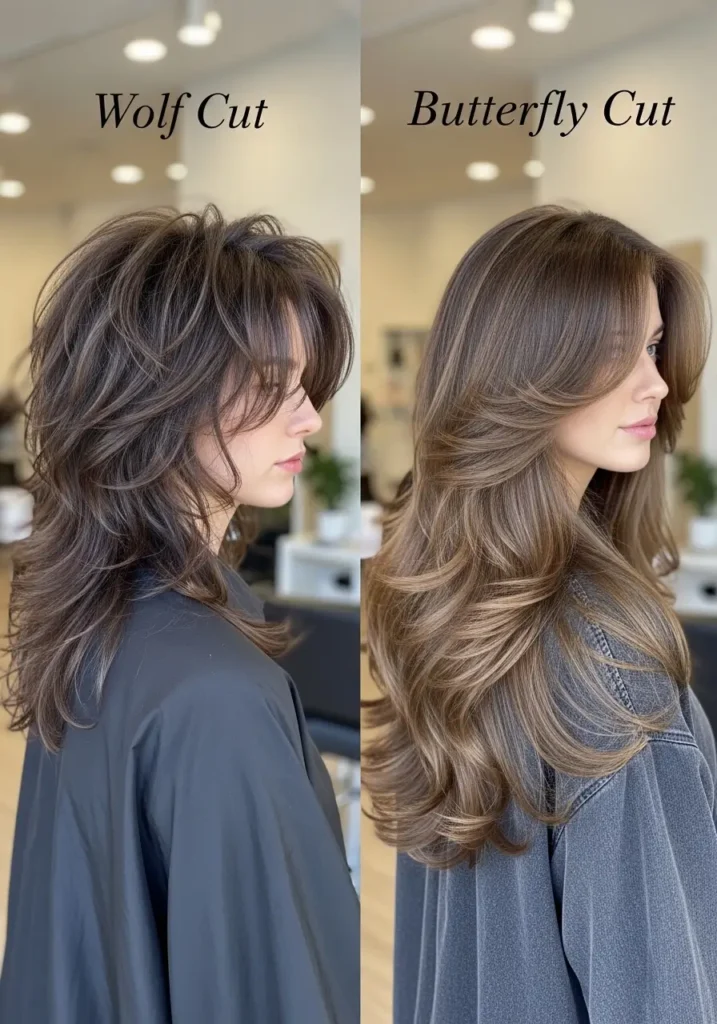
Long hair keeps its length beautifully in a butterfly cut, making it ideal for anyone hesitant about losing inches. Layers float through the hair, creating dreamy movement without drastic change. Wolf cut reshapes long hair more dramatically by introducing shorter crown layers that shift the overall silhouette. Styling feels freer and more expressive with the wolf cut, while the butterfly cut maintains romantic softness. Choice often depends on emotional readiness for transformation. One style refreshes gently, while the other creates noticeable personality through layered structure and energetic flow.
Wolf Cut vs Butterfly Cut for Shorter Length Confidence
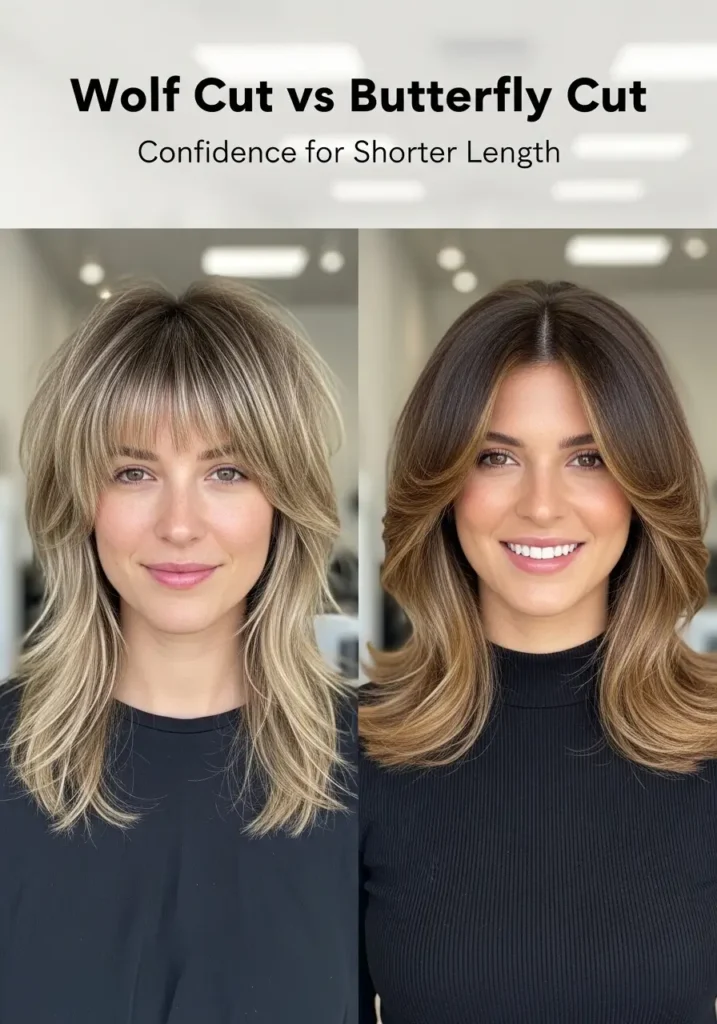
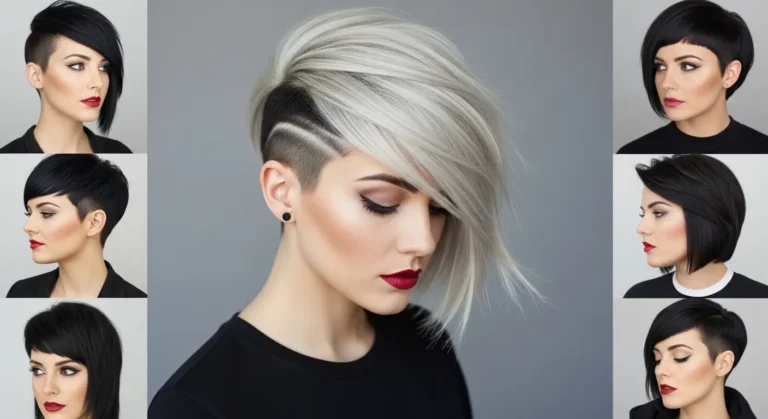
Wolf cut adapts beautifully to shorter lengths by creating volume and playful shape that feels bold and youthful. Butterfly cut at shorter lengths keeps softness near the face while maintaining airy movement. Styling effort differs slightly, since the wolf cut thrives with messy texture while the butterfly cut prefers gentle shaping for flow. Emotional energy becomes a key factor here. The wolf cut gives a confident statement feeling, while the butterfly cut offers approachable elegance. Both styles make shorter hair feel intentional and stylish without appearing overly structured.
Wolf Cut vs Butterfly Cut for a Busy Lifestyle Routine
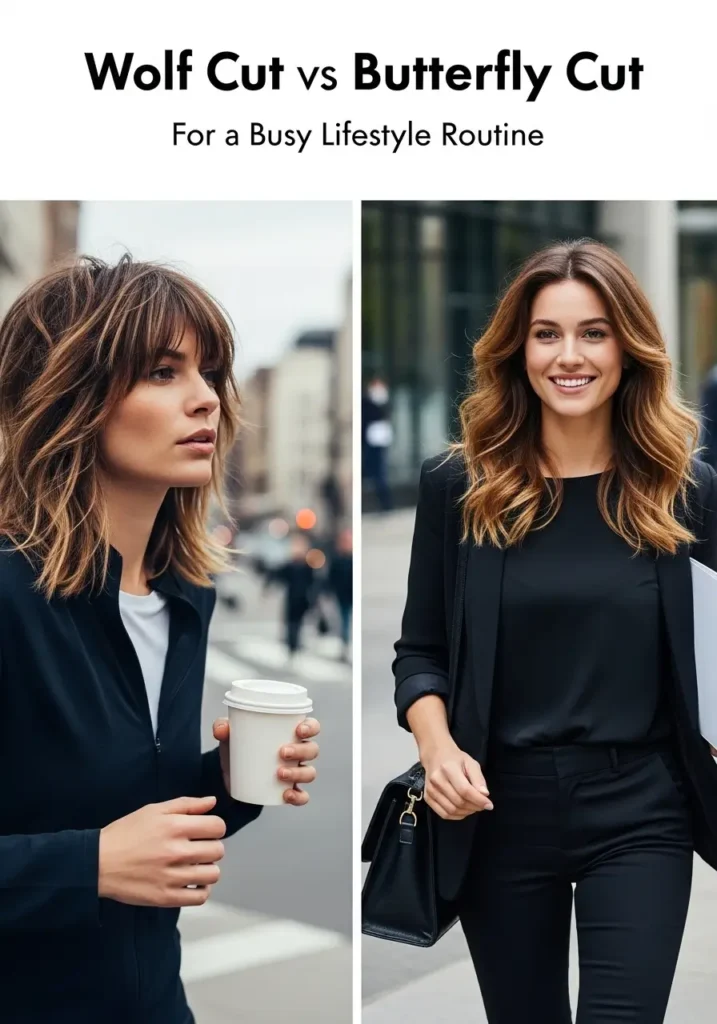
Busy schedules often influence haircut decisions more than trends. Wolf cut fits fast routines because imperfect styling still looks intentional. Butterfly cut suits routines that allow quick brushing or light blow drying for a polished finish. Daily comfort becomes important since hair should cooperate with real life rather than demand extra time. The wolf cut brings carefree flexibility, while the butterfly cut adds graceful structure without overwhelming effort. Mood difference feels subtle yet noticeable, shaping how confident and relaxed mornings feel before stepping out the door.
Wolf Cut vs Butterfly Cut for Trendy Social Vibe
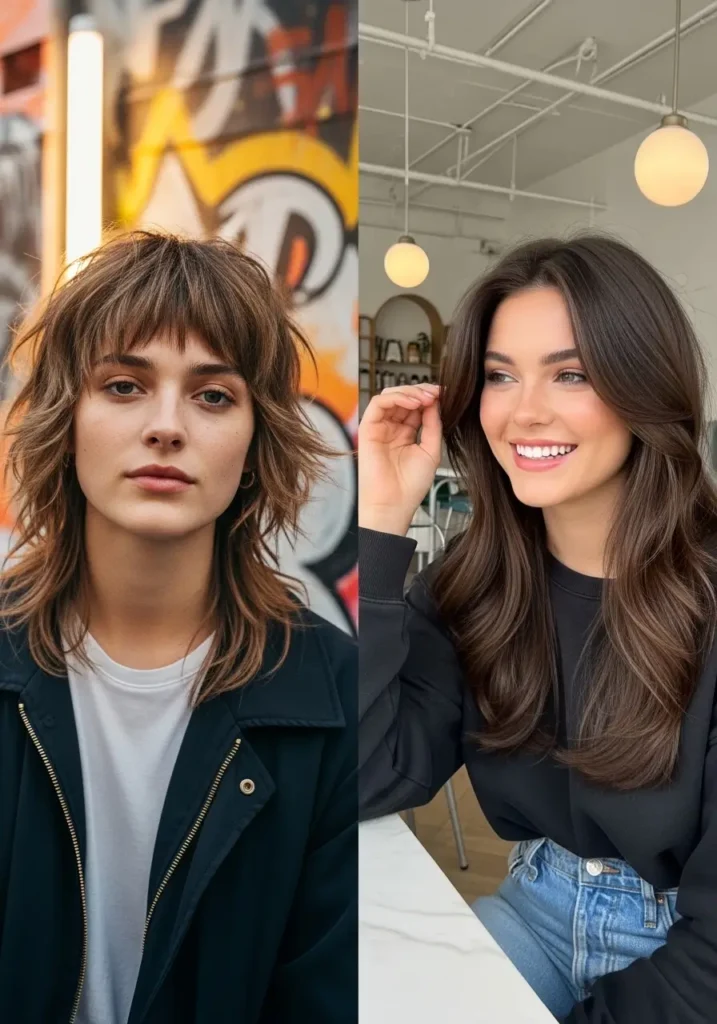
Wolf cut often stands out in social settings because the texture catches movement and light easily, giving playful energy in photos. Butterfly cut photographs beautifully through soft layers that frame the face with gentle elegance. Social vibe changes depending on desired presence. The wolf cut feels expressive and creative, while the butterfly cut appears effortlessly put together. Both styles work well for gatherings, yet the emotional impression differs between bold individuality and romantic charm that feels timeless without trying too hard.
Wolf Cut vs Butterfly Cut for Seasonal Hair Changes
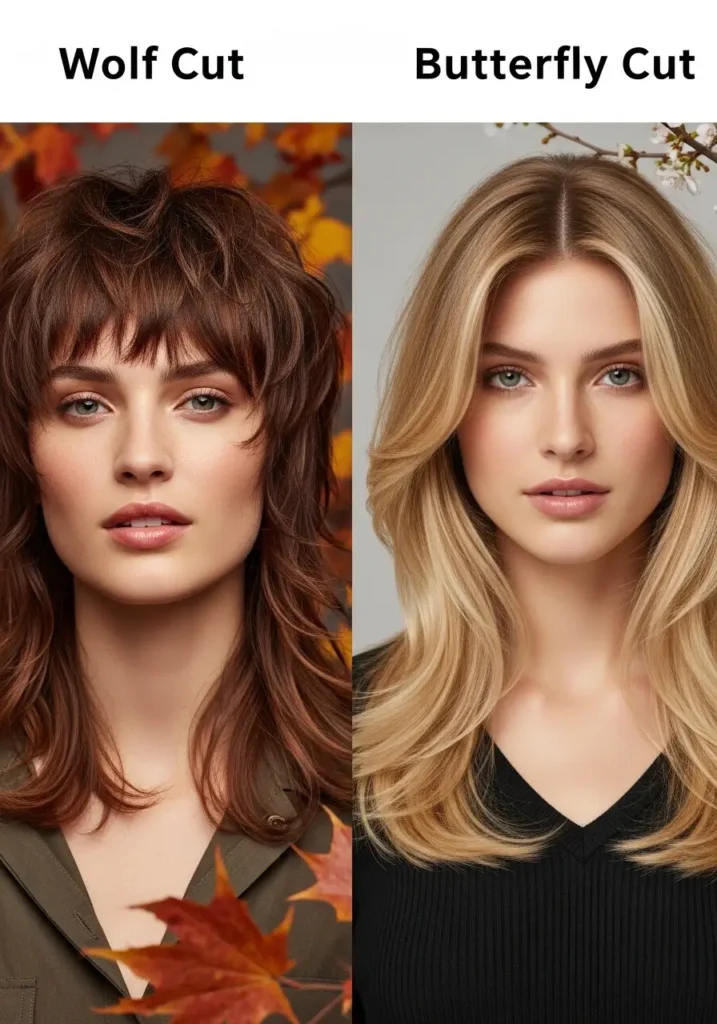
Changing seasons often inspire haircut shifts. Wolf cut feels perfect for cooler months when textured layers pair beautifully with cozy fashion and layered outfits. Butterfly cut suits are for warmer seasons with airy movement that feels light and flowing. Styling mood adapts naturally as weather changes, making both styles flexible year-round choices. Emotional connection with seasons plays a role here, since hair can reflect comfort during colder days or softness during brighter months, creating harmony between personal style and environment.
Wolf Cut vs Butterfly Cut for Volume at Crown
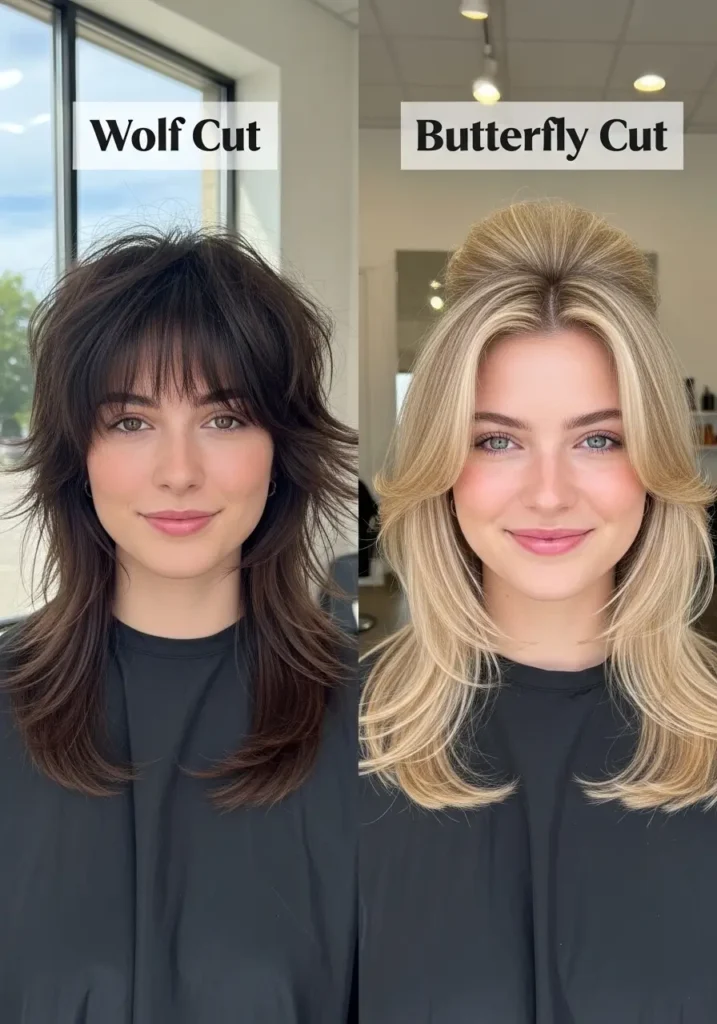
Volume placement changes the entire hairstyle’s mood. Wolf cut lifts hair strongly at the crown, creating a dramatic silhouette that feels energetic and youthful. Butterfly cut builds a softer elevation that blends smoothly into longer layers. Styling products influence results, yet natural structure already guides the outcome. Anyone wanting noticeable height may prefer a wolf cut, while those seeking subtle fullness often lean toward butterfly layering. Emotional tone becomes either bold confidence or relaxed elegance, depending on how much attention you want your hair to draw.
Wolf Cut vs Butterfly Cut for Romantic Softness
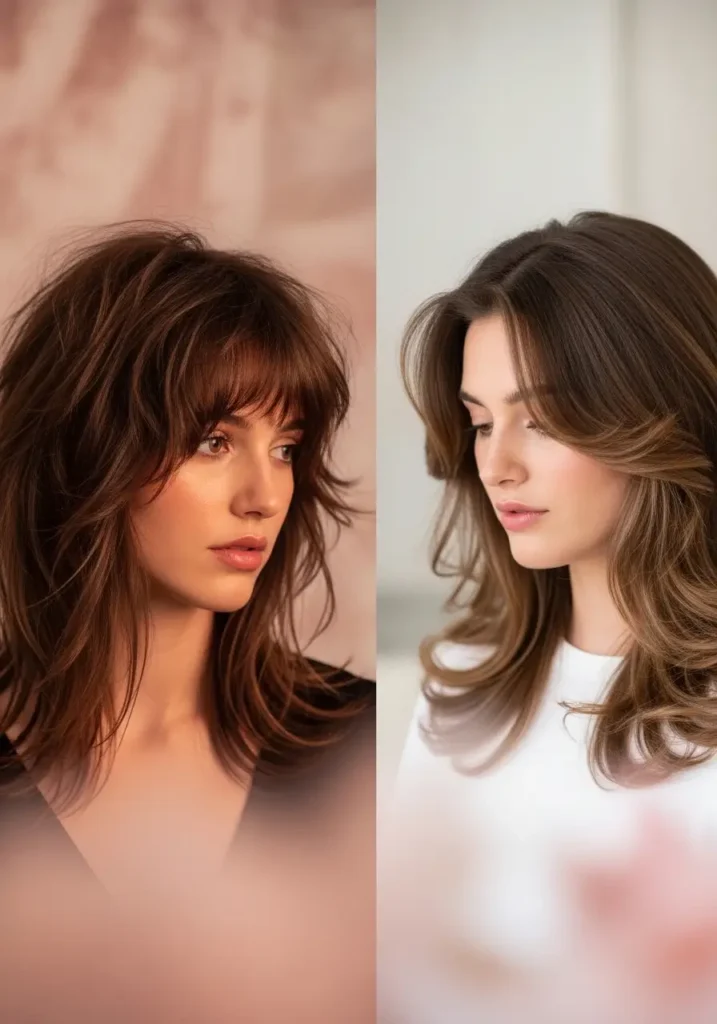
Butterfly cut naturally creates romantic softness through feathered layers that move gently with every step. Wolf cut introduces contrast by mixing softness with texture, giving a romantic look a slightly rebellious edge. Styling decisions influence emotional results, allowing the same person to feel dreamy or expressive depending on the haircut choice. Butterfly layers often pair beautifully with soft waves, while wolf layers shine with natural texture. Mood becomes a defining factor, shaping how a hairstyle complements personal energy and everyday confidence.
Wolf Cut vs Butterfly Cut for Personal Style Identity
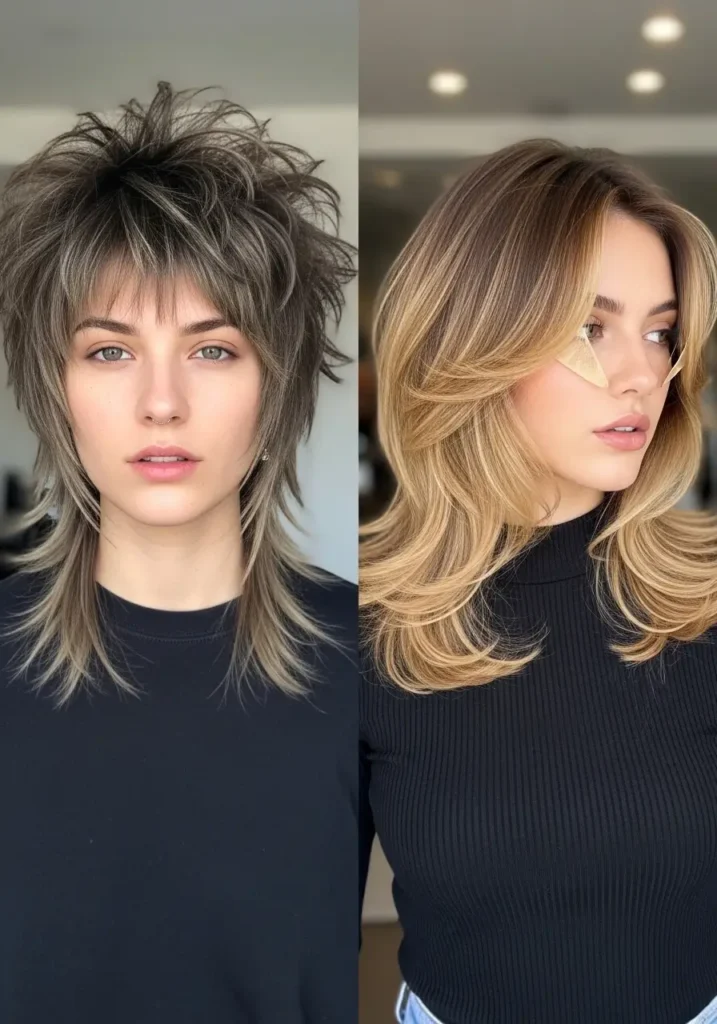
A haircut often becomes an extension of identity. Wolf cut reflects creativity, independence, and relaxed confidence that embraces imperfection. Butterfly cut expresses softness, balance, and graceful femininity that feels timeless yet modern. Choosing between them means understanding how you want to present yourself daily. Both styles remain beautiful, yet emotional connection determines satisfaction more than trends. When a haircut aligns with personality, styling feels easier, and confidence grows naturally, turning simple layers into meaningful self-expression.
FAQ
Which haircut is easier to maintain, the wolf cut or the butterfly cut?
Wolf cut usually feels easier because the messy texture looks intentional. Butterfly cut may need light styling to keep layers flowing smoothly, though daily care remains simple.
Which style works better for thin hair?
Both can work well. The wolf cut creates an illusion of fullness through texture, while the butterfly cut builds airy volume through long blended layers.
Does a wolf cut suit professional settings?
Yes, styling makes a difference. Soft styling keeps the wolf cut polished while still maintaining its personality.
Can a butterfly cut work on short hair?
Yes, shorter butterfly versions create soft framing layers that still feel light and feminine.
Which haircut grows out more naturally?
Butterfly cut tends to grow out softly due to blended layers, while wolf cut may need reshaping sooner to maintain structure.
Final Thoughts
Choosing between a wolf cut and a butterfly cut comes down to feeling rather than rules. One brings playful texture and expressive confidence, while the other offers soft movement and romantic calmness. Both styles celebrate individuality in different ways. Listening to lifestyle, styling habits, and emotional comfort often leads to the happiest decision. Hair feels best when it reflects how you want to move through everyday life.