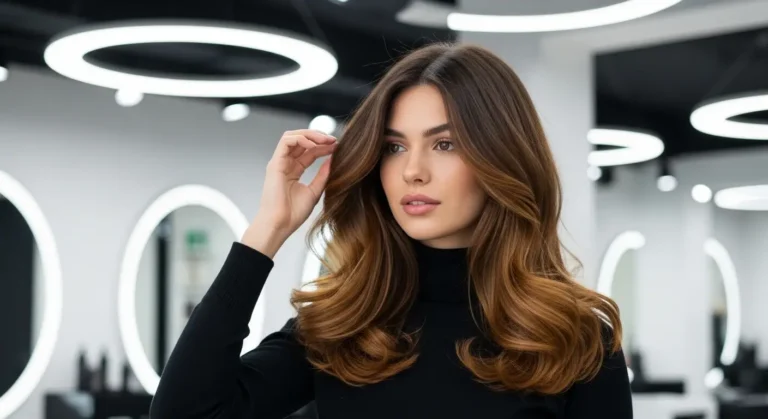

Best Ombre Hair Color Ideas for a Fresh and Modern Look
Ombre hair color remains popular because it creates beautiful dimension without requiring constant root touch-ups. The gradual transition from a darker shade near the roots to a lighter or brighter color through the ends can make almost any haircut look fresher, softer, and more modern.
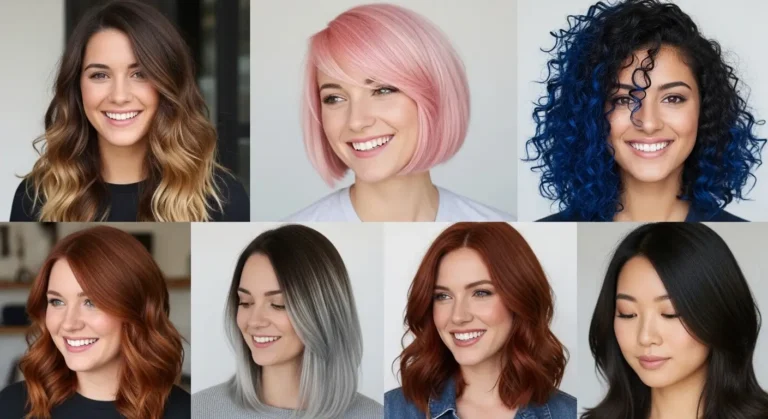
This coloring technique works for many hair lengths, textures, skin tones, and personal styles. You can choose a natural brown-to-caramel blend for everyday wear or experiment with pink, blue, silver, copper, and other creative shades. Ombre can also be adjusted to look bold, subtle, warm, cool, polished, or relaxed.
In this guide, you will find 17 of the best ombre hair color ideas for a fresh and modern look. You will also learn how to select an ombre shade for your face shape and hair type, maintain your color, avoid common mistakes, and explain your desired result clearly to your stylist.
Quick Answer
The best ombre hair color ideas include brunette-to-caramel, black-to-burgundy, chocolate-to-honey, blonde-to-pastel pink, and brown-to-copper combinations.
Choose a transition that complements your natural root color, skin undertone, hair texture, and maintenance routine.
Soft, blended ombre looks are easier to maintain, while vivid fashion colors need regular refreshing.
Bringing reference photos to your stylist can help you achieve a balanced and personalized result.
Table of Contents
- Best Ombre Hair Color Ideas for a Fresh and Modern Look
- How to Choose an Ombre Color for Your Face Shape
- How to Choose an Ombre Color for Your Hair Type
- Styling and Maintenance Tips
- Ombre Hair Color Comparison Table
- Common Mistakes to Avoid
- Frequently Asked Questions
- Conclusion
Best Ombre Hair Color Ideas for a Fresh and Modern Look
Brunette to Caramel Ombre
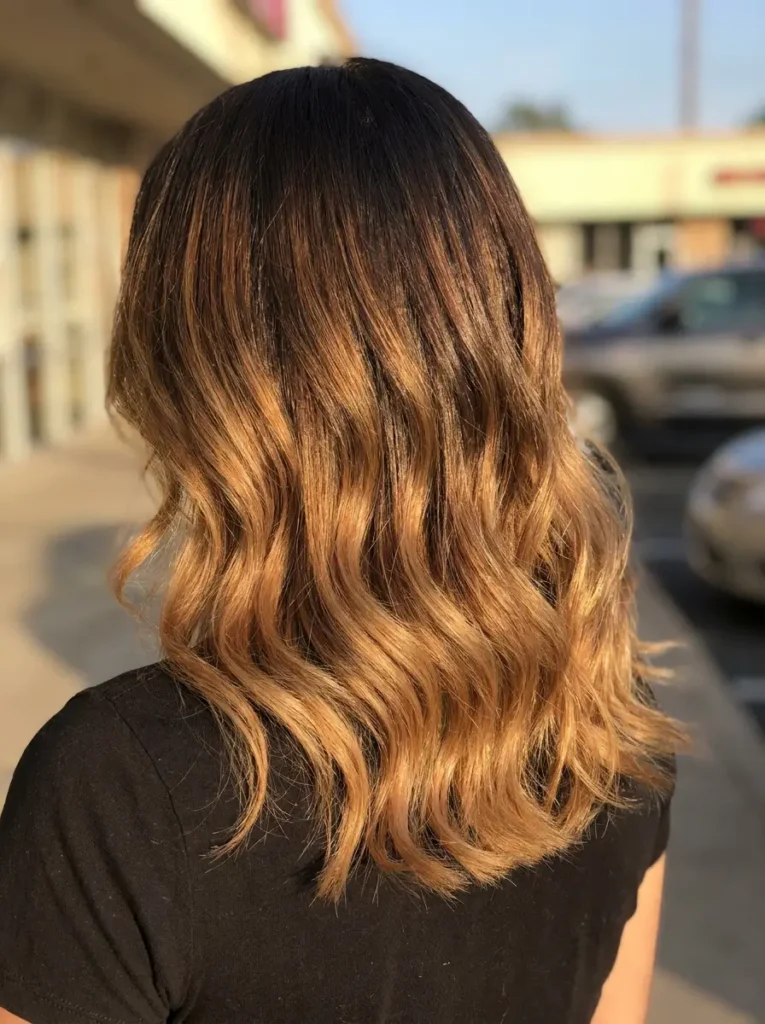
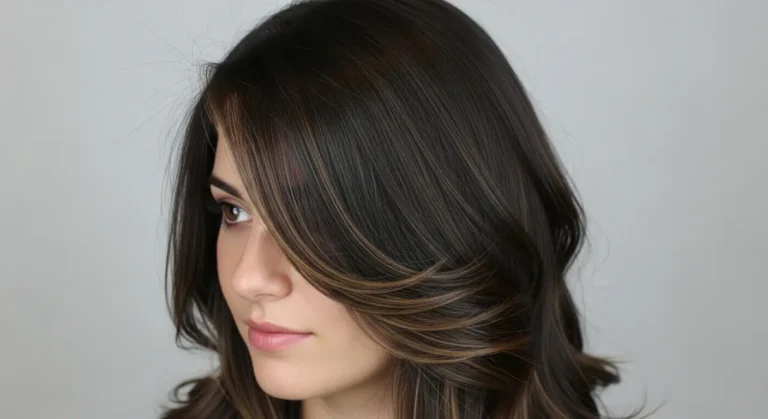
Brunette-to-caramel ombre is one of the most wearable options for creating warmth, shine, and natural-looking dimension. Deep brown roots flow gradually into caramel mid-lengths and softly golden ends. The transition can begin near the cheekbones for noticeable brightness or lower on the hair for a more understated finish. Caramel tones reflect light beautifully, making the hair appear healthier and fuller. This combination feels polished enough for professional settings while remaining soft and relaxed for everyday styling.
This look suits natural brunettes, medium-to-warm skin tones, and anyone who wants lighter hair without going completely blonde. Maintenance is usually moderate because the darker root area can grow naturally without creating a harsh line. Use a sulfate-free shampoo and a weekly moisturizing mask to prevent the lighter ends from becoming dry. Loose waves help display the color transition, although straight styling can also look sleek. Ask your stylist for a softly blended caramel ombre with no strong bands between the brown and golden sections.
Dark Brown to Honey Blonde Ombre
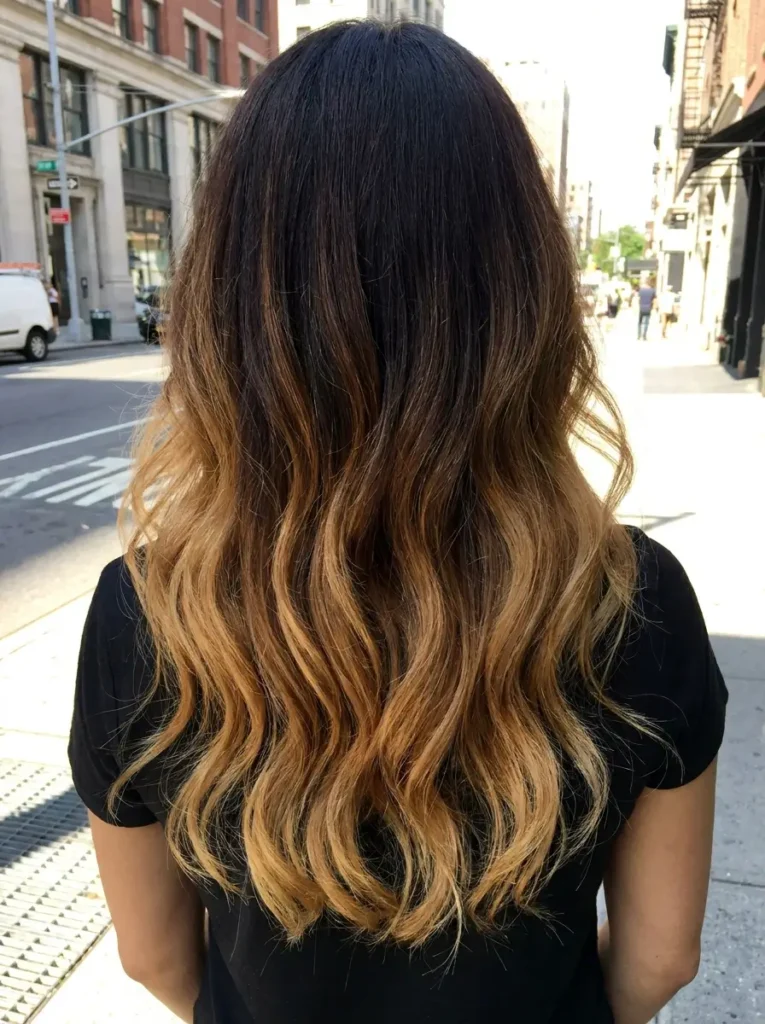
Dark brown-to-honey blonde ombre creates a noticeable transformation while keeping the overall appearance warm and balanced. The dark base adds depth around the scalp, while honey blonde brings brightness through the lower half of the hair. Unlike icy blonde, honey tones contain golden warmth that can make the complexion look lively and radiant. This ombre style looks especially attractive on layered cuts because every layer reveals a slightly different mixture of brown and blonde.
The color works well for people with warm or neutral undertones and naturally dark brown hair. Thick, wavy, and medium-textured hair can display the gradient particularly well, but the look can be adapted for fine hair with carefully placed light pieces. Maintenance is medium to high because the blonde ends may need toning, conditioning, and occasional gloss treatments. Limit excessive heat and apply a heat protectant before styling. Ask your colorist to keep the honey blonde soft and golden rather than orange, with a seamless transition through the middle lengths.
Chocolate Brown to Beige Blonde Ombre
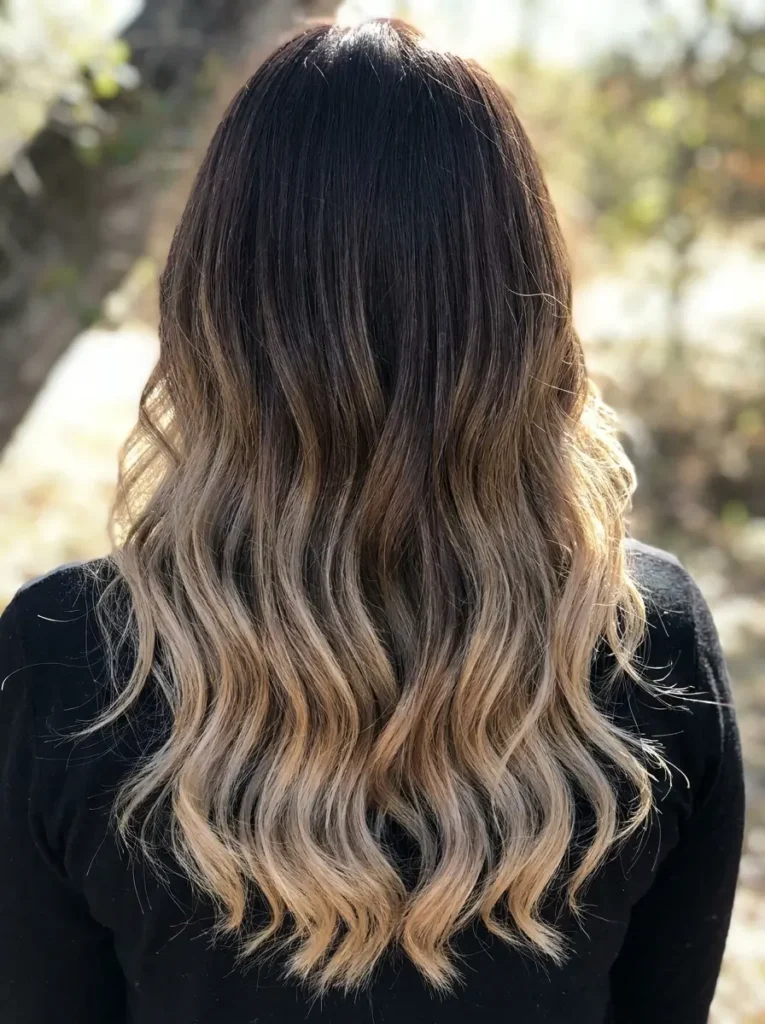
Chocolate brown-to-beige blonde ombre offers a modern balance of rich depth and cool softness. The chocolate base feels luxurious, while the beige blonde ends create brightness without looking overly golden. Because beige contains both warm and cool tones, it produces a neutral finish that can complement many complexions. This color combination looks sophisticated on long hair, shoulder-length cuts, and smooth layered styles. It is an excellent choice for someone who wants a blonde transformation that still feels natural.
This ombre is especially flattering for neutral skin undertones and people who find very warm or very cool blonde shades difficult to wear. Straight and softly wavy hair can show the refined blend clearly. Maintenance is moderate because beige blonde may require toner to prevent yellow or brassy tones. Wash with color-safe products, and use purple shampoo only when needed rather than during every wash. A lightweight smoothing serum can enhance the shine. Ask your stylist for a neutral beige blonde that melts gradually into the chocolate base without creating a gray or dull result.
Black to Burgundy Ombre

Black-to-burgundy ombre delivers rich color and drama without looking excessively bright. The black base creates a deep, glossy foundation, while the burgundy ends introduce a mixture of red, wine, and violet tones. Indoors, the color can appear dark and sophisticated. Under natural light, the red and purple dimensions become more noticeable. This makes the style suitable for anyone who wants a creative change that still feels elegant and wearable.
The look suits naturally black or very dark brown hair and often complements medium, olive, deep, and neutral skin tones. It can appear especially striking on curls and waves because the movement reveals different shades of burgundy. Maintenance is moderate since red pigments tend to fade faster than natural brown shades. Wash with cool or lukewarm water, reduce shampoo frequency, and use a color-depositing conditioner when recommended by your stylist. Ask for a deep wine or burgundy tone rather than a bright red, and request a gradual transition that begins below the roots for easier upkeep.
Brown to Copper Ombre
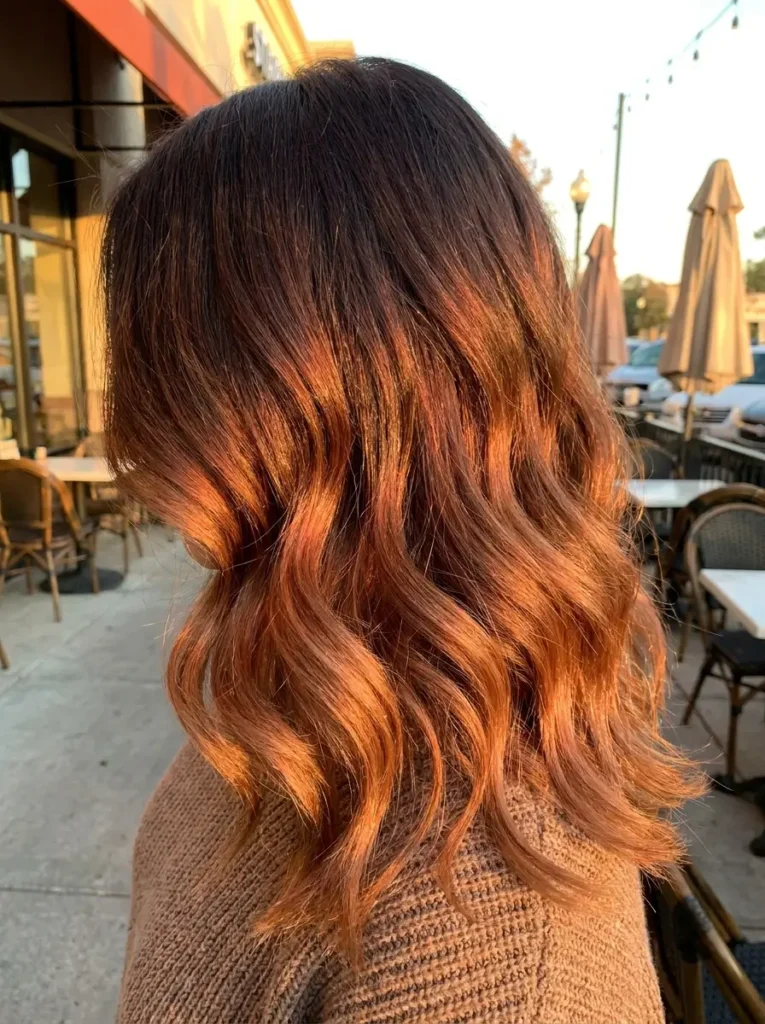
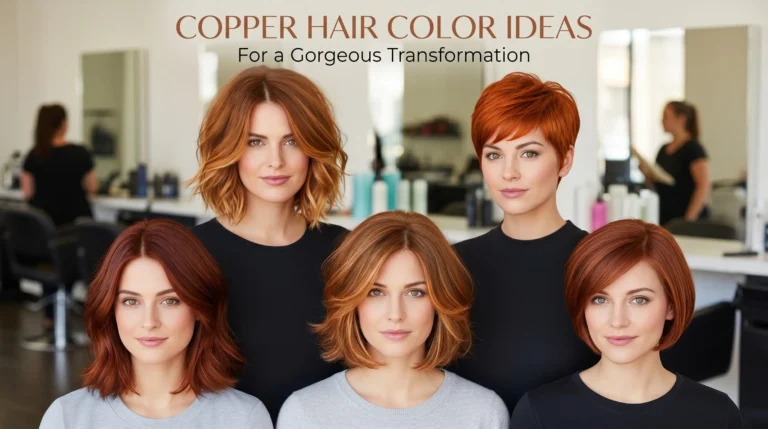
Brown-to-copper ombre brings warmth, energy, and brightness to the hair. A natural or chocolate-brown base gradually changes into glowing copper throughout the lengths and ends. The result can range from soft cinnamon to vivid orange-copper, depending on how bold you want the finished style to appear. Copper reflects light strongly and can make waves, curls, and layered ends look more defined. It is a wonderful seasonal choice, but it can also be worn throughout the year.
This style works particularly well for warm, peach, golden, and neutral skin undertones. People with green, hazel, or brown eyes may find that copper makes their eye color appear more noticeable. Maintenance is moderate to high because copper pigments can lose intensity with frequent washing and heat exposure. Use a gentle shampoo, a nourishing conditioner, and a copper color mask when necessary. Soft curls or brushed waves emphasize the tonal changes. Ask your stylist to choose a copper shade that works with your complexion and to avoid creating an abrupt orange band around the middle of the hair.
Espresso to Ash Blonde Ombre
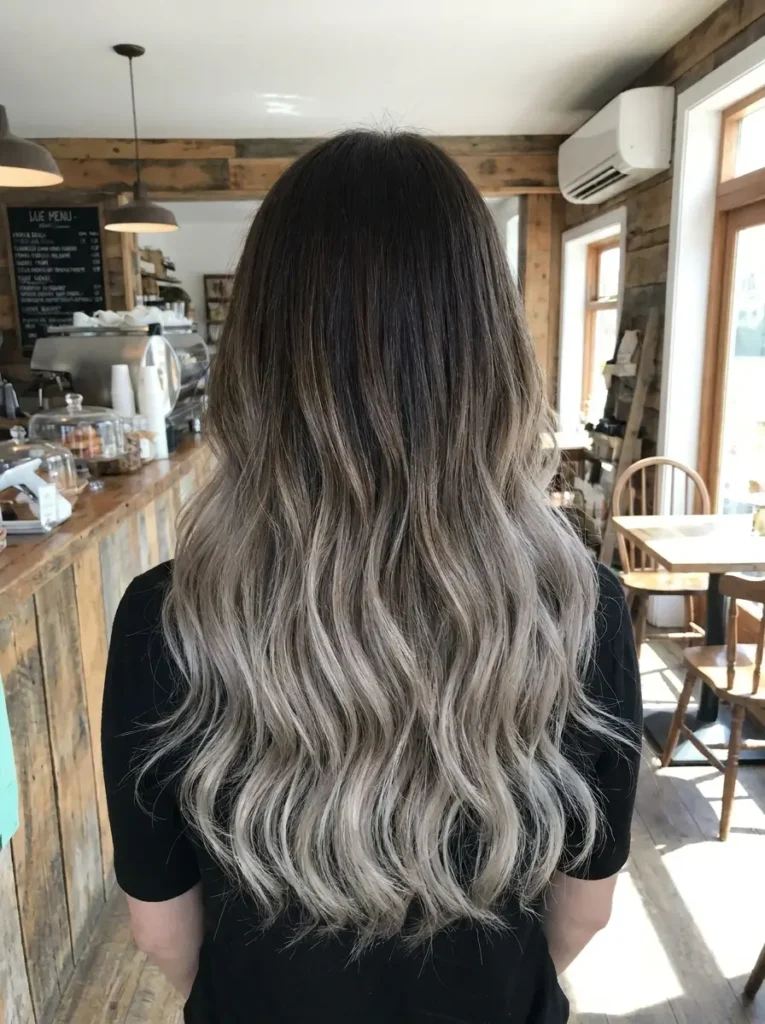
Espresso-to-ash blonde ombre creates a cool, high-contrast effect with a contemporary edge. The espresso roots remain dark and rich, while the lower lengths gradually shift toward smoky, muted blonde. Ash tones help control excessive warmth and give the finished style a clean, fashionable appearance. The combination looks especially impressive on long hair, blunt cuts, and modern layered styles. It can be dramatic, but careful blending keeps the contrast sophisticated rather than harsh.
This look is most suitable for neutral or cool undertones and people who prefer silver, gray, or cool-beige colors. Naturally dark hair may require several lightening sessions to reach a clean ash blonde without causing unnecessary damage. Maintenance is high because the ends may develop yellow or brassy tones between appointments. Use purple shampoo occasionally, apply repairing treatments, and avoid overusing hot tools. A smoothing cream can make the color appear more polished. Ask your stylist to protect the hair’s condition and create a shadowed transition between the espresso and blonde sections.
Natural Black to Chocolate Brown Ombre

Natural black-to-chocolate brown ombre is a subtle option for anyone who wants visible dimension without a dramatic color change. The roots remain close to their natural black shade, while the lengths gradually soften into warm or neutral chocolate brown. This gentle difference can make the hair look shinier and more textured. It also prevents long, dark hair from appearing flat or overly heavy. The finished result is elegant, low-key, and suitable for nearly every setting.
This ombre is ideal for first-time color clients, busy professionals, and people who want low-maintenance hair. It complements most skin tones because the chocolate shade can be customized to feel warmer, cooler, or more neutral. Dark hair usually requires less aggressive lightening for this result than it would for blonde ombre. Use a shine-enhancing serum and deep conditioner to keep the ends glossy. Straight hair will show the gradual transition clearly, while waves will create additional movement. Ask your stylist for a soft chocolate melt that stays natural and avoids reddish or orange tones unless you specifically prefer warmth.
Dirty Blonde to Platinum Ombre
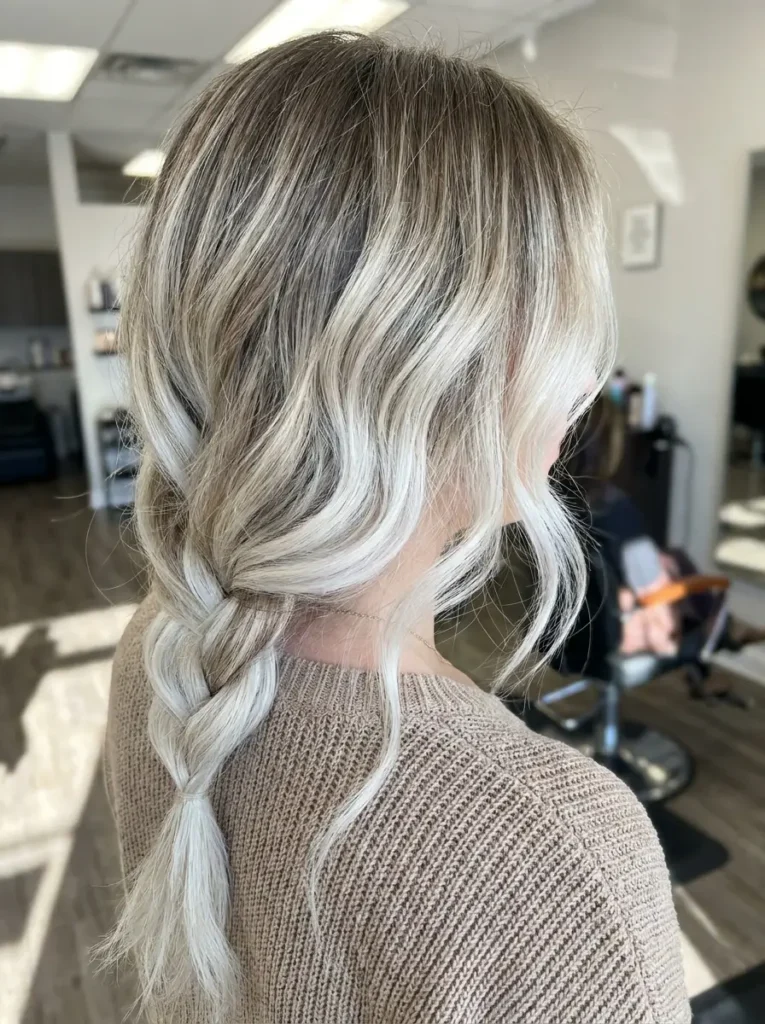
Dirty blonde-to-platinum ombre creates a bright transformation while maintaining a natural-looking root area. The darker blonde base blends through beige or sandy middle tones before reaching pale platinum ends. This layered transition helps the platinum appear more balanced and reduces the contrast that can occur with darker roots. The style feels fresh, clean, and fashion-forward. It looks particularly beautiful on long layers, textured lobes, and softly waved hair.
This option suits natural dark blondes and light brunettes who want a lighter appearance without bleaching the entire root area. It can flatter cool, fair, neutral, and lightly warm complexions when the platinum tone is adjusted carefully. Maintenance is high because platinum hair needs regular toning, moisture, and protection from breakage. Use bond-supporting treatments and avoid washing with very hot water. Reduce the temperature of straighteners and curling irons. Ask your stylist for a gradual dirty-blonde-to-platinum blend and discuss whether the lightest result can be achieved safely in one appointment or requires several sessions.
Blonde to Pastel Pink Ombre

Blonde-to-pastel pink ombre combines a light blonde base with soft pink ends for a playful and feminine appearance. The pink can be applied as a pale blush, dusty rose, peachy pink, or cool cotton-candy shade. Because pastel color is delicate, it produces a creative result without the intensity of neon pink. The style looks dreamy on long waves, shoulder-length cuts, braids, and textured hairstyles. It can also add personality to simple everyday outfits.
This look works best on pre-lightened blonde hair because pale pink may not show clearly over a dark base. It suits people who enjoy changing their color regularly and do not mind refreshing the tone. Maintenance is high because pastel pigments often fade quickly, especially with frequent shampooing. Wash less often, use cool water, and choose products made for colored hair. A pastel pink conditioner may help maintain the shade. Ask your stylist to select a pink that complements your undertone and to blend it softly into the blonde rather than creating a sharp horizontal line.
Brown to Rose Gold Ombre

Brown-to-rose gold ombre offers a sophisticated way to wear pink-toned hair. The brown root area provides depth, while the ends combine pink, copper, peach, and golden tones. Rose gold feels warmer and more refined than a standard pastel pink, making it easier to wear in both casual and professional environments. The metallic-looking warmth can make the hair appear luminous, especially when styled in waves. It is a fashionable option that still maintains a soft, romantic quality.
This shade often suits warm, neutral, and peach undertones, although a cooler rose formula can be created for cooler complexions. Medium brown and light brown hair may need to be lifted before the rose gold color is applied. Maintenance is moderate to high because the pink tones can fade before the golden base disappears. Use color-safe shampoo and avoid daily washing when possible. A curling wand can highlight the different tones, but heat protection is essential. Ask your stylist for a customized rose gold formula that does not appear too orange or too bright against your natural base.
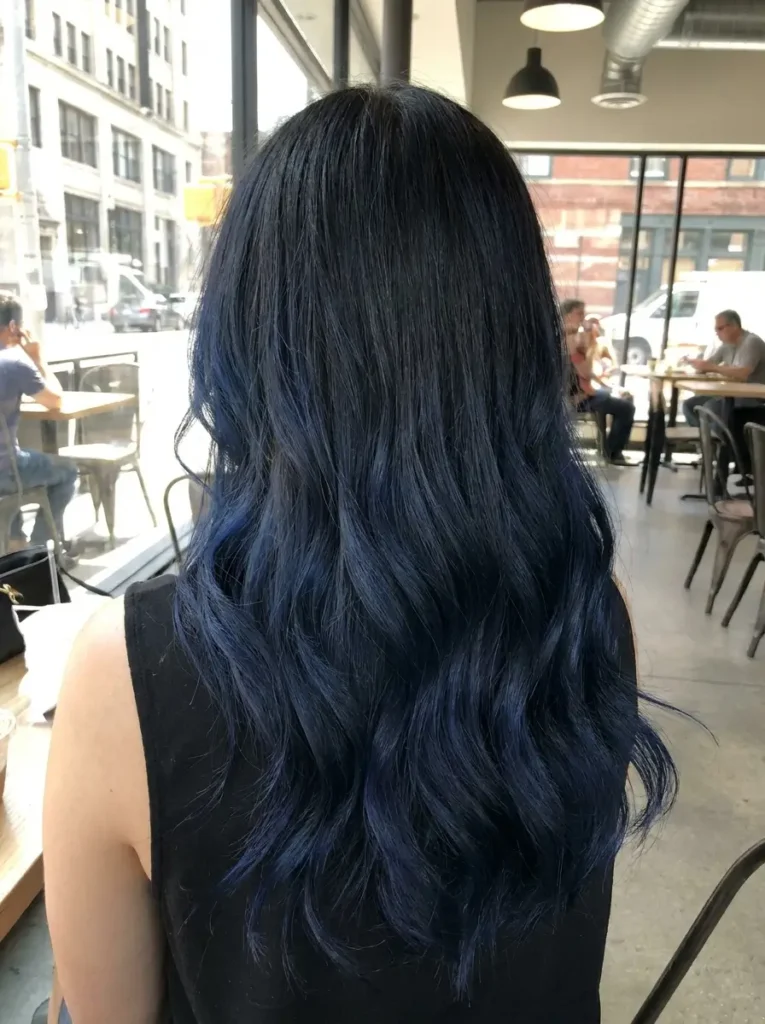
Black to Navy Blue Ombre

Black-to-navy blue ombre creates a bold yet surprisingly wearable result. The dark roots blend naturally into deep blue lengths, producing color that may look almost black indoors and more vibrant under sunlight. Navy is less intense than electric blue, so it provides creativity without overpowering the overall style. This ombre looks striking on sleek straight hair, defined curls, braids, and layered waves. It adds depth and mystery while maintaining a polished appearance.
The style suits naturally dark hair and can complement cool, neutral, olive, and deep complexions. Depending on the desired visibility, the hair may need to be lightened before the blue is applied. Maintenance is moderate to high because blue pigments can fade or shift in tone. Use cool water, color-safe products, and a dark towel to avoid visible staining during the first few washes. Limit chlorine exposure because it may affect the shade. Ask your stylist for a deep navy transition rather than bright blue and discuss how much pre-lightening is needed to achieve your preferred intensity.
Brown to Lavender Ombre
Brown-to-lavender ombre blends a natural base with soft purple ends for a creative and romantic effect. The transition may include smoky mauve, dusty violet, or muted lilac tones, helping the lavender connect more naturally with the brown root area. This color combination can look gentle and dreamy instead of overly bright. It works beautifully on long curls, loose waves, layered lobs, and textured braids, where the purple tones can move through the hairstyle.
This ombre often complements neutral and cool undertones, although warmer lavender formulas can be mixed with hints of pink. Dark brown hair usually needs lightening before pale lavender can appear clearly. Maintenance is high because light purple shades can fade quickly or become uneven without proper care. Use a color-preserving shampoo and a purple conditioning mask recommended by your colorist. Avoid excessive sun and heat exposure. Ask your stylist for a smoky transition shade between the brown and lavender, as this can prevent the finished color from looking disconnected or heavily striped.
Red to Orange Ombre

Red-to-orange ombre creates a fiery, energetic look inspired by sunsets and warm autumn tones. Deeper red near the roots flows into bright copper, amber, or orange ends. The combination is bold, but the related warm colors allow the transition to remain visually smooth. This ombre adds instant movement to curls and waves and can make a layered haircut appear more dramatic. It is a strong choice for anyone who wants their hair to become a noticeable part of their personal style.
This look suits confident color lovers and often flatters warm, golden, peach, olive, and neutral skin tones. Naturally red or medium-brown hair may provide a helpful base, while darker hair may require more lightening. Maintenance is high because red and orange pigments can fade quickly. Use cool water, minimize shampooing, and refresh the shade with professional color masks. Heatless waves can help protect the color and condition. Ask your stylist to blend several warm shades through the middle so the red does not change suddenly into a flat orange section.
Gray to Silver Ombre

Gray-to-silver ombre creates a sleek, modern appearance with beautiful metallic dimension. A smoky gray base transitions into brighter silver or icy ends, producing a reflective finish that looks especially striking under natural light. The colors can range from deep charcoal to soft pearl silver. This style pairs well with blunt cuts, long layers, waves, and short textured hairstyles. It feels fashionable and polished while offering an alternative to traditional blonde ombre.
This option suits cool and neutral undertones, although your stylist can soften the silver with beige or lavender for a more balanced result. Achieving clean silver often requires very light blonde hair, so naturally dark hair may need several carefully spaced sessions. Maintenance is high because silver can develop yellow tones or fade into pale blonde. Use purple shampoo when necessary, apply moisture treatments, and protect the hair from heat. Ask your stylist to assess your hair condition before lightening and create a dimensional silver formula instead of applying one flat gray shade throughout the ends.
Chestnut Brown to Golden Blonde Ombre

Chestnut brown-to-golden blonde ombre provides warmth, softness, and a naturally sunlit appearance. Chestnut contains gentle red and brown tones, while golden blonde brings brightness through the lower lengths. Together, these shades create a rich transition that feels softer than dark brown against light blonde. The style can make layered hair look fuller and bring attention to movement around the face. It is an appealing option for anyone who wants a classic color with modern blending.
This look suits warm, neutral, and olive undertones and works well on wavy, curly, thick, and medium-textured hair. The maintenance level is moderate because the darker root section can grow naturally, although the blonde ends may need toning and conditioning. Use a moisturizing shampoo and apply a lightweight oil only to the ends. Soft waves will enhance the golden dimension without requiring complicated styling. Ask your stylist for fine transition pieces between the chestnut and blonde areas to prevent visible bands and keep the golden shade rich rather than overly yellow.
Mocha Brown to Mushroom Blonde Ombre

Mocha brown-to-mushroom blonde ombre is a cool-neutral option with a soft, earthy finish. The mocha base adds depth, while mushroom blonde introduces muted beige, taupe, and ash tones through the lengths. The colors are understated but dimensional, making this style feel modern without appearing overly bright. It is especially attractive on smooth layers, shoulder-length cuts, and loose waves. The neutral palette can also make the hair look polished and expensive.
This ombre suits neutral and cool undertones and is helpful for people who want to reduce obvious golden or orange tones. Fine and medium hair can benefit from the visual dimension created by the mixture of mocha and taupe shades. Maintenance is moderate because mushroom blonde may require occasional toning to preserve its muted finish. Use blue or purple shampoo only according to your stylist’s advice. A lightweight texture spray can give the hair movement without making it greasy. Ask for a cool-neutral mushroom blend that remains soft and beige rather than becoming excessively gray.
Soft Auburn to Strawberry Blonde Ombre

Soft auburn-to-strawberry blonde ombre creates a warm, delicate transition filled with red, peach, and golden tones. The auburn root area provides richness, while strawberry blonde brightens the mid-lengths and ends. Because both colors belong to the warm red-blonde family, the gradient appears smooth and natural. This style feels romantic, fresh, and luminous. It looks beautiful on curls, waves, layered cuts, and long hair with face-framing pieces.
The color is particularly flattering for fair, warm, peach, neutral, and lightly golden complexions. It can also highlight green, blue, and hazel eyes. Maintenance is moderate to high because both auburn and strawberry pigments may fade with regular washing. Use a color-protecting shampoo, avoid very hot water, and schedule gloss treatments when the shade begins to look dull. Soft, heatless curls can reveal the color variation while reducing damage. Ask your stylist to create a blended strawberry blonde that retains enough warmth to connect naturally with the auburn base and does not become overly pale or yellow.
How to Choose the Best Ombre Hair Color for Your Face Shape
Face shape does not determine which hair color you are allowed to wear, but the placement of lighter and darker shades can influence how your features appear. A thoughtful ombre placement can highlight cheekbones, soften angles, create length, or add visual width where needed.
People with round faces may prefer the brightest pieces to begin below the cheeks. Keeping deeper color around the sides of the face can create a lengthening effect. Long layers and vertical color placement can also help the hair appear more flowing.
Oval faces are balanced and can usually wear high, medium, or low ombre transitions. You can choose brightness around the cheekbones, jawline, or ends, depending on the feature you want to emphasize.
For square faces, soft blending around the jaw can reduce the appearance of sharp angles. Waves, curved layers, and warm face-framing pieces may create a gentler overall finish. Avoid placing one strong horizontal band directly beside the jawline.
Heart-shaped faces may benefit from lighter color around the lower lengths and jaw area. This placement can create visual balance between a wider forehead and a narrower chin. Soft curls around the lower face can enhance the effect.
People with long or rectangular faces can place lighter tones near the cheekbones rather than only at the ends. This creates more visual width around the center of the face. A low ombre with no face-framing brightness may make very long hair appear even longer.
Diamond-shaped faces often look balanced with soft highlights beginning around the cheekbones and continuing toward the ends. Avoid placing the strongest brightness only at the widest part of the face. Ask your stylist to customize the transition according to your haircut, length, and preferred styling routine.
How to Choose the Best Ombre Hair Color for Your Hair Type
Straight hair displays every part of the color transition clearly. For this reason, the ombre blend must be smooth and carefully diffused. Fine highlights through the transition area can prevent visible horizontal bands. Sleek styling can emphasize the gradient, while slight bends add natural movement.
Wavy hair is ideal for ombre because the texture naturally mixes the different shades. Soft waves can make even a strong contrast look more blended. Medium and long layers may help distribute the lighter pieces throughout the hairstyle.
Curly hair can display ombre beautifully, but shrinkage and curl placement should be considered before coloring. The stylist should lighten individual curls thoughtfully rather than following a completely straight horizontal section. Moisture treatments are especially important because lightened curly ends may become dry.
Thick hair can support bold color transitions and multiple shades. However, enough internal sections must be colored so the ombre remains visible when the hair moves. Surface-only lightning may disappear beneath dense layers.
Thin hair can appear fuller when the stylist combines darker roots with dimensional middle tones and strategically brightened ends. A very solid, pale color through all the ends may make thin hair look less dense, so a multi-tonal finish is often more flattering.
Fine hair requires gentle lightening and careful product use. Too much bleach or repeated overlapping can weaken delicate strands. Choose a subtle transition, maintain regular trims, and use lightweight conditioners that provide moisture without flattening the hair.
Styling and Maintenance Tips
- Wash ombre hair two or three times weekly when possible to reduce color fading and dryness.
- Choose a sulfate-free shampoo made for colored or chemically treated hair.
- Apply conditioner mainly through the middle lengths and ends, where lightened hair usually needs more moisture.
- Use a deep-conditioning mask once weekly to improve softness and reduce breakage.
- Apply heat protectant before blow-drying, straightening, waving, or curling the hair.
- Keep hot tools at the lowest effective temperature instead of automatically selecting the highest setting.
- Use purple shampoo for cool blonde or silver ombre only when yellow tones become visible.
- Consider blue shampoo for lightened brunette hair that develops unwanted orange tones.
- Use color-depositing conditioners for red, copper, pink, blue, or purple ombre when recommended by your stylist.
- Avoid washing with very hot water because heat can increase dryness and encourage faster fading.
- Protect the hair from strong sun exposure by wearing a hat or applying a hair product with ultraviolet protection.
- Schedule trims every eight to twelve weeks to remove dry ends and maintain a healthy shape.
- Avoid applying heavy oils near the roots, especially when the hair is fine or naturally oily.
- Use lightweight serum on the ends to improve shine and reduce a rough appearance.
- Sleep on a satin or silk pillowcase to reduce friction, tangles, and frizz.
- Discuss bond-building treatments with your stylist when significant lightening is required.
- Do not overlap bleach repeatedly on previously lightened ends during future appointments.
- Refresh the toner or gloss between major coloring sessions instead of lightening the hair every time.
Comparison Table
| Hairstyle | Best For | Hair Type | Maintenance | Styling Product |
| Brunette to Caramel Ombre | Natural warmth | Wavy, thick, straight | Moderate | Shine serum |
| Dark Brown to Honey Blonde | Bright golden dimension | Wavy, layered, thick | Moderate to high | Heat protectant |
| Chocolate to Beige Blonde | Neutral blonde finish | Straight, wavy | Moderate | Smoothing cream |
| Black to Burgundy | Dark creative color | Curly, wavy, thick | Moderate | Color conditioner |
| Brown to Copper | Warm vibrant style | Wavy, curly | Moderate to high | Lightweight hair oil |
| Espresso to Ash Blonde | Cool high contrast | Straight, layered | High | Purple shampoo |
| Black to Chocolate Brown | Subtle dimension | All hair types | Low | Gloss serum |
| Dirty Blonde to Platinum | Bright blonde ends | Fine, straight, wavy | High | Bond treatment |
| Blonde to Pastel Pink | Soft fashion color | Blonde, fine, wavy | High | Pink color mask |
| Brown to Rose Gold | Warm creative color | Wavy, medium | Moderate to high | Color-safe serum |
| Black to Navy Blue | Dark bold style | Straight, curly, thick | Moderate to high | Blue color conditioner |
| Brown to Lavender | Soft purple finish | Wavy, curly | High | Purple color mask |
| Red to Orange | Bold warm color | Curly, layered, thick | High | Color-protecting cream |
| Gray to Silver | Metallic modern style | Straight, wavy | High | Purple toning shampoo |
| Chestnut to Golden Blonde | Natural sunlit warmth | Wavy, thick, curly | Moderate | Moisturizing oil |
| Mocha to Mushroom Blonde | Cool-neutral dimension | Fine, straight, wavy | Moderate | Texture spray |
| Auburn to Strawberry Blonde | Soft red-blonde blend | Wavy, curly, layered | Moderate to high | Color gloss |
Common Mistakes to Avoid
Choosing an Ombre Color Only Because It Is Trending
A popular shade may look attractive online but may not suit your current hair condition, natural base, or maintenance routine. Consider whether the color complements your undertone and whether you are comfortable maintaining it. A personalized version of a trend usually looks better than copying the exact shade without adjustments.
Ignoring Your Natural Hair Texture
Straight, wavy, curly, thick, and fine hair displays color differently. Ombre placement that looks smooth on long straight hair may appear uneven after curly hair shrinks. Your stylist should evaluate your natural texture and typical styling method before beginning the color application.
Lightening Too Much in One Appointment
Very dark hair may not become pale blonde or silver safely during one session. Attempting an extreme lift too quickly can cause dryness, breakage, and uneven color. A slower plan with several appointments may produce a cleaner result while protecting the strength of your hair.
Using Too Much Styling Product
Heavy oils, creams, and sprays can make ombre hair look dull or greasy. This is especially noticeable on fine hair and pale blonde ends. Begin with a small amount of product, apply it mainly to the ends, and add more only when necessary.
Forgetting About Toner and Gloss Treatments
Lightened hair can develop yellow, orange, or dull tones over time. Toner and gloss services help refresh the intended shade without repeating the entire lightening process. Ask your stylist how often your specific color may need refreshing.
Not Showing Reference Photos
Color descriptions can mean different things to different people. One person’s caramel may appear golden, while another person expects a deeper brown. Bring several reference photos showing the root color, transition placement, end shade, and level of contrast you prefer.
Choosing a Transition That Is Too Harsh
A clear horizontal line can make ombre look unfinished. Soft middle shades, fine painted pieces, and careful blending usually create a more professional result. The exception is an intentionally graphic color design, which should still be planned and applied precisely.
Neglecting the Condition of the Ends
The ends are usually the oldest and most fragile part of the hair. They may also receive the most lightning during an ombre service. Regular trims, conditioning treatments, and heat protection can prevent the lighter section from appearing dry or uneven.
Frequently Asked Questions
What is ombre hair color?
Ombre hair color uses a gradual transition from a darker shade near the roots to a lighter or different shade toward the ends. The blend may be natural, bold, warm, cool, or creative. A professional colorist can adjust the placement and contrast to suit your hair.
Is ombre hair still fashionable?
Ombre remains fashionable because it can be customized for modern cuts, natural shades, and creative colors. Softer transitions and dimensional color melts are especially popular for a polished result. The technique continues to evolve instead of following one fixed appearance.
Is ombre hair easy to maintain?
Natural ombre can be relatively easy to maintain because the roots remain darker and grow without a strong line. Blonde, silver, red, and fashion-color ends may need toner or color refreshing. Your maintenance level depends on the contrast, shade, and condition of your hair.
What is the difference between ombre and balayage?
Ombre describes a visible color transition from dark roots to lighter ends, while balayage describes a freehand painting technique. A stylist can use balayage methods to create an ombre effect. Balayage often includes more scattered highlights, while ombre usually concentrates brightness toward the ends.
Can ombre work on short hair?
Ombre can work on short hair when there is enough length to create a visible transition. Bobs, lobs, and longer pixie styles can support subtle gradients or bold colored ends. Careful placement is important because the blending area is smaller than it is on long hair.
Does ombre damage hair?
Ombre may cause dryness or damage when the ends require strong lightening, especially on previously processed hair. Professional application, gradual lightening, bond treatments, and home care can reduce the risk. A stylist should examine your hair condition before recommending a major color change.
How often should ombre hair be refreshed?
Natural brown or caramel ombre may need refreshing every three to six months, depending on your desired brightness. Toner or gloss appointments may be needed sooner for blonde, silver, or fashion colors. Regular trims can keep the lightened ends looking healthy between color services.
Which ombre color looks natural on dark hair?
Chocolate brown, caramel, chestnut, honey, and deep burgundy can look natural on dark hair. These shades create a visible dimension without requiring extremely pale ends. Your stylist can adjust the warmth and brightness to complement your complexion and natural root color.
Can I create ombre hair at home?
Home ombre kits are available, but achieving an even transition can be difficult, particularly on dark or previously colored hair. Uneven lighting may cause bands, orange tones, or damaged ends. Professional help is safer when you want a major transformation or a very light result.
What should I ask my stylist before getting ombre?
Ask how light your hair can become safely, how many sessions may be required, and which shades complement your undertone. Discuss maintenance costs, toning appointments, and home-care products. Show reference photos and explain where you want the transition to begin.
Conclusion
The best ombre hair color ideas offer a flexible way to refresh your appearance without changing every part of your natural hair. From brunette-to-caramel and chestnut-to-golden blonde to navy blue, lavender, rose gold, and silver, there is an option for nearly every personality and beauty routine.
Begin by considering your natural hair color, skin undertone, texture, length, and tolerance for maintenance. Soft brown and caramel combinations are generally easier to manage, while platinum and fashion colors require more frequent care. Your hair’s condition should always be more important than reaching an extremely light shade quickly.
Bring clear reference photos to your appointment and discuss the transition placement, contrast level, and final tone with your stylist. A carefully blended ombre can add movement, brightness, and modern dimension while allowing your natural roots to remain comfortable and practical.