
Brunette Balayage Highlights That Add Glow and Dimension
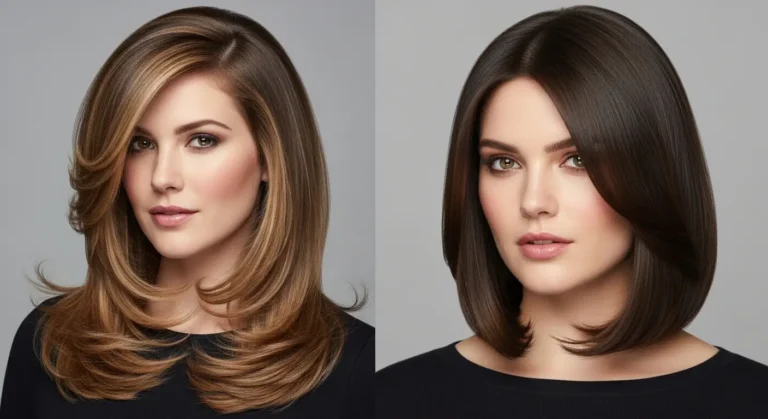
Brunette balayage highlights are popular because they brighten brown hair without covering its natural depth. The hand-painted color creates a soft transition between darker roots and lighter sections, helping the hair look warmer, fuller, and more dimensional.
This coloring method can help brunettes who want a noticeable refresh without committing to frequent root touch-ups. Balayage can emphasize layers, define curls, brighten the face, and stop dark hair from looking flat. It can also be customized with caramel, honey, mocha, beige, copper, chestnut, or ash-brown tones.
The best result depends on your natural hair color, skin undertone, texture, haircut, and preferred maintenance level. A subtle mocha balayage offers gentle depth, while golden or blonde ribbons create a brighter transformation.
In this guide, you will discover 17 brunette balayage highlights that add glow and dimension. You will also learn how to choose flattering color placement for your face shape and hair type, care for highlighted hair, avoid common mistakes, and explain your desired result clearly to your stylist.
Quick Answer
Brunette balayage highlights add glow by blending lighter hand-painted sections into a rich brown base.
Caramel, honey, mocha, chestnut, beige, and golden tones are popular choices for dimensional brunette hair.
A soft root transition makes balayage easier to maintain than many traditional highlights.
Choose the shade and placement according to your skin undertone, hair texture, condition, and daily styling routine.
Table of Contents
- Best Brunette Balayage Highlights That Add Glow and Dimension
- How to Choose Brunette Balayage for Your Face Shape
- How to Choose Brunette Balayage for Your Hair Type
- Styling and Maintenance Tips
- Brunette Balayage Comparison Table
- Common Mistakes to Avoid
- Frequently Asked Questions
- Conclusion
Best Brunette Balayage Highlights That Add Glow and Dimension Ideas
Classic Caramel Brunette Balayage
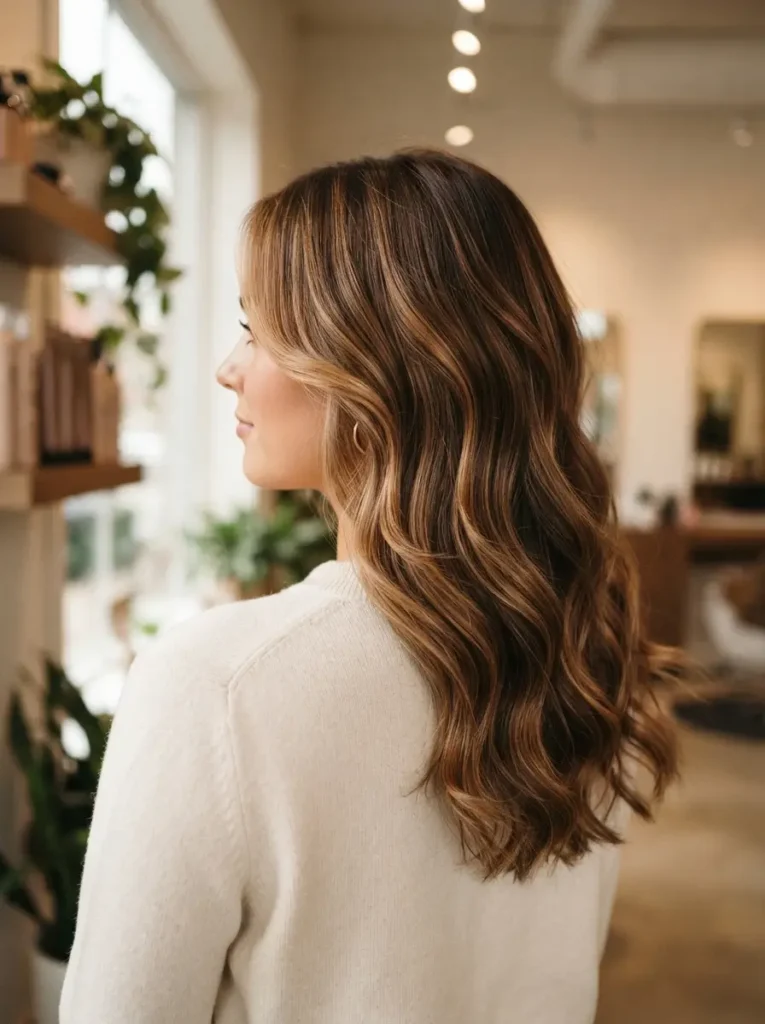
Classic caramel balayage blends warm golden-brown sections into a medium or dark brunette base. The hand-painted pieces usually begin below the roots and become brighter through the middle lengths and ends. This gradual placement creates movement without making the hair look heavily striped. Caramel is lighter than chocolate brown but deeper than blonde, so it adds visible warmth while preserving a strong brunette identity. The color looks especially dimensional on loose waves because each bend reveals a different mixture of dark and light tones.
This style suits warm, neutral, olive, and golden skin undertones. It works beautifully on straight, wavy, medium, thick, and long hair. Maintenance is low to moderate because the roots remain natural or softly shadowed. Use color-safe shampoo, a moisturizing mask, and heat protectant before styling. Ask your stylist for a blended caramel balayage with enough brunette depth between the lighter sections. Mention whether you want soft toffee warmth or brighter golden caramel through the ends.
Honey Brunette Balayage

Honey brunette balayage introduces rich golden highlights. That makes brown hair appear brighter and more radiant. Honey tones contain more golden warmth than neutral caramel, creating a sunlit finish that works particularly well around the face. The color may be concentrated through the surface, front sections, and ends while the deeper brunette base remains visible underneath. This balance creates glow without turning the entire hairstyle blonde. It feels warm, feminine, and polished while still looking natural.
This balayage suits warm, peach, golden, neutral, and olive undertones. It can also make hazel, green, and warm brown eyes appear more noticeable. Maintenance is moderate because honey tones may become overly yellow or brassy as the toner fades. Use a color-preserving shampoo and schedule gloss appointments when the warmth loses its richness. Ask your stylist for honey-gold balayage that remains connected to your brown base. Avoid requesting very pale blonde if you want a soft, believable transition.
Mocha Brunette Balayage

Mocha balayage uses several coffee-inspired shades to create low-contrast dimension. Deep espresso roots blend into medium mocha and soft milk-chocolate sections through the lengths. The result is subtle, rich, and refined rather than bright or highly contrasting. Mocha tones add enough variation to make brunette hair look fuller and more reflective while maintaining an understated appearance. This style works well for professional settings and women who prefer natural-looking color.
This option suits cool, neutral, and lightly warm complexions. It works on short, medium, and long hair with straight, wavy, or curly textures. Maintenance is relatively low because the color remains close to most natural brunette bases. Use sulfate-free shampoo and a lightweight shine serum to preserve the glossy finish. Ask your stylist for a low-contrast mocha balayage with a soft root melt and no pale blonde sections. Mention that you want visible depth and movement without changing your overall brunette appearance.
Chocolate Brown Balayage

Chocolate brown balayage creates a rich, luxurious effect by blending dark roots with lighter chocolate and cocoa tones. The color difference is subtle, but it adds more movement to the hair and prevents a solid brown base from appearing flat. The lighter sections may follow layers, waves, or curls, helping the haircut look more defined. Because all the tones remain within the brunette family, the result feels polished and naturally dimensional.
This balayage suits nearly every skin tone because the chocolate shade can be adjusted to appear warm, cool, or neutral. It is especially useful for first-time balayage clients who want a subtle transformation. Maintenance is low because the transition grows out softly and does not depend on a pale toner. Use moisturizing shampoo and a gloss-enhancing conditioner to keep the hair reflective. Ask your stylist for chocolate ribbons that are one or two levels lighter than your natural base. Request soft placement rather than clearly separated streaks.
Beige Brunette Balayage
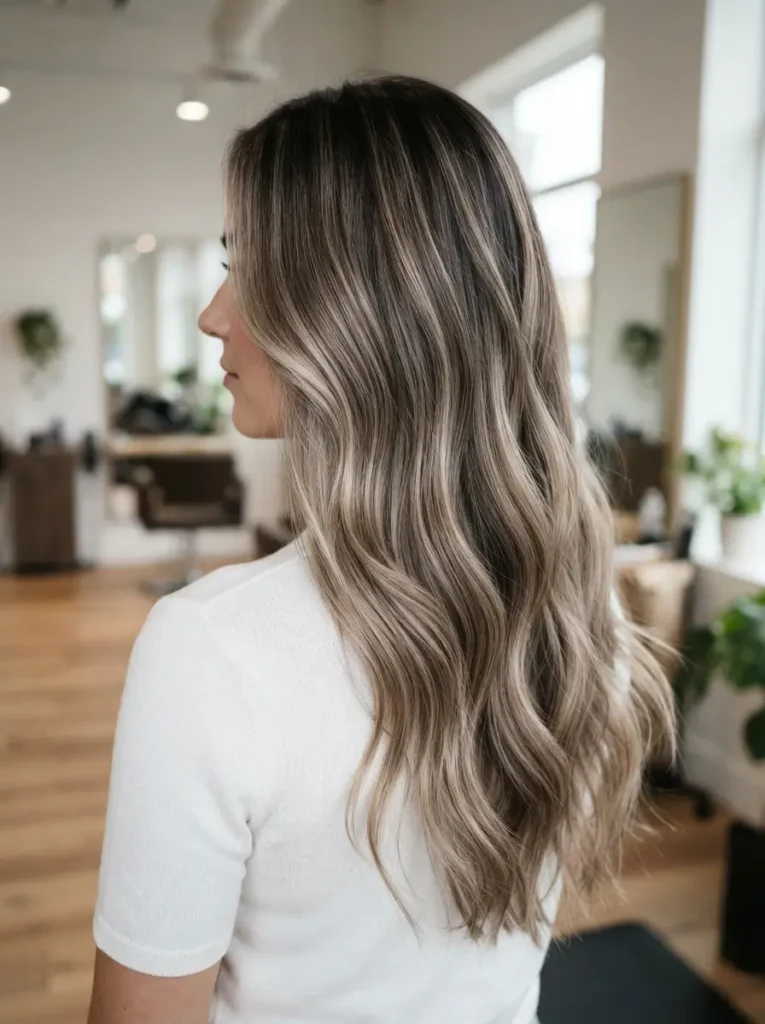
So it creates brightness without appearing strongly golden or gray. This makes it a useful choice for women who want a softer alternative to honey blonde or ash highlights. The result looks modern, understated, and polished, particularly when the color is placed through the front and lower lengths.
This style suits neutral, cool-neutral, and lightly warm skin undertones. It works best on medium brown hair that can reach beige without excessive lightening, although darker hair can achieve the look gradually. Maintenance is moderate because the beige toner may fade and reveal yellow or orange tones. Use purple or blue shampoo only when your stylist recommends it. Ask for a soft beige-brown balayage with a shadowed root and blended middle tones. Explain that you want a neutral finish rather than icy blonde or strong gold.
Ash-Brown Brunette Balayage
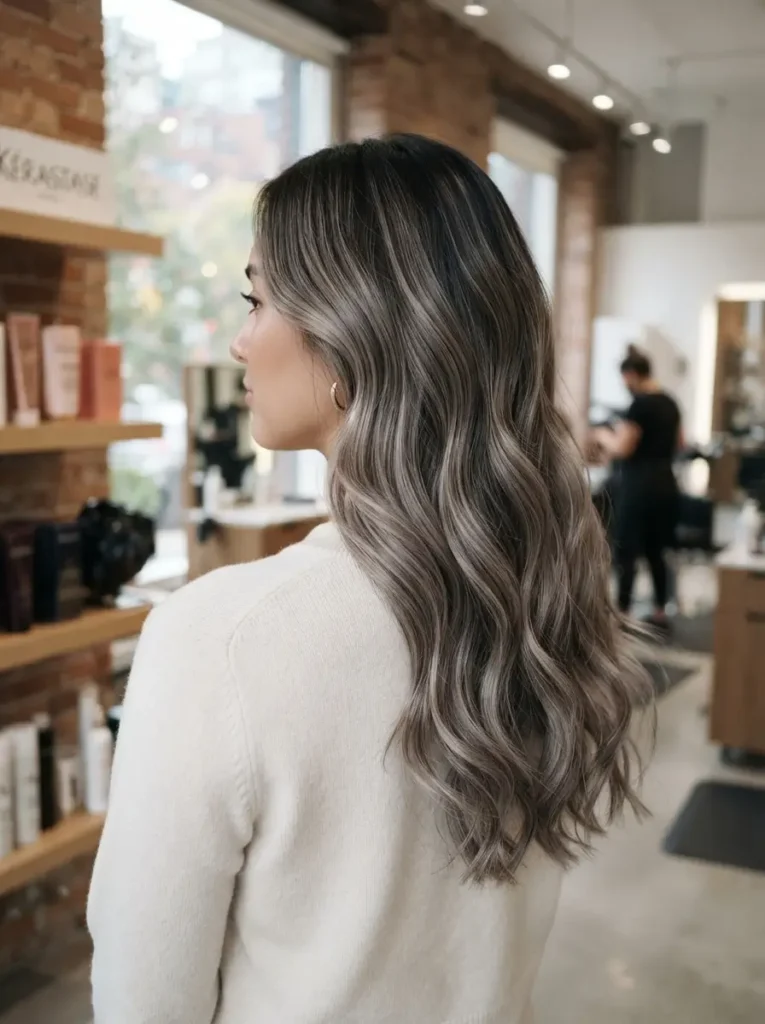
Ash-brown balayage creates a smoky, cool-toned finish by adding muted brown, taupe, and soft ash sections to a brunette base. It reduces the appearance of red or orange warmth and gives the hair a modern, sophisticated quality. The contrast can remain subtle, making the color suitable for women who prefer elegant dimension rather than bright highlights. Straight styling shows the smooth tonal transition, while waves create additional depth.
This color suits cool and neutral undertones and naturally ash-brown or dark brunette hair. Maintenance is moderate because cool pigments often fade faster than the underlying warm tones. Use blue shampoo occasionally if orange appears, but avoid over-toning the hair. A professional gloss can restore the correct balance more effectively. Ask your stylist for cool ash-brown balayage that remains dimensional rather than flat or gray. Mention any natural warmth you want to reduce and request a soft root blend for easier regrowth.
Chestnut Brunette Balayage

Chestnut balayage introduces warm reddish-brown dimension to a deep brunette base. The color remains darker than caramel and softer than copper, creating a rich glow that becomes especially noticeable in natural light. Chestnut pieces can be painted through the face frame, surface, and layered ends to create movement without making the hair look heavily highlighted. The finished result feels warm, elegant, and naturally luxurious.
This option suits warm, neutral, olive, medium, and deep skin tones. It can make green, hazel, and brown eyes appear more vibrant. Maintenance is low to moderate because chestnut remains close to most brunette bases, although the reddish warmth may need refreshing with a gloss. Wash with lukewarm water and avoid using harsh clarifying products too frequently. Ask your stylist for chestnut balayage that remains clearly brown rather than bright red. Explain whether you prefer subtle auburn warmth or a stronger, neutral chestnut effect.
Golden Brunette Balayage

Golden brunette balayage creates a bright, sunlit appearance by blending warm gold and soft blonde-brown tones into the lengths. The darkest color remains near the roots, while the brightness increases gradually toward the ends. This creates a glowing finish without producing a harsh line. Golden balayage looks especially attractive on layered hair because the lighter sections highlight movement and make the haircut appear more textured.
This style suits warm, golden, peach, olive, and neutral undertones. It works well on medium-to-dark brunette hair when the lightening is performed gradually. Maintenance is moderate because golden sections can become overly yellow or orange. Use color-safe products and schedule toner or gloss appointments when needed. Ask your stylist for rich golden-brown balayage rather than pale yellow blonde. Mention how light you want the ends and whether you prefer a subtle sun-kissed look or a more visible golden transformation.
Toffee Brunette Balayage
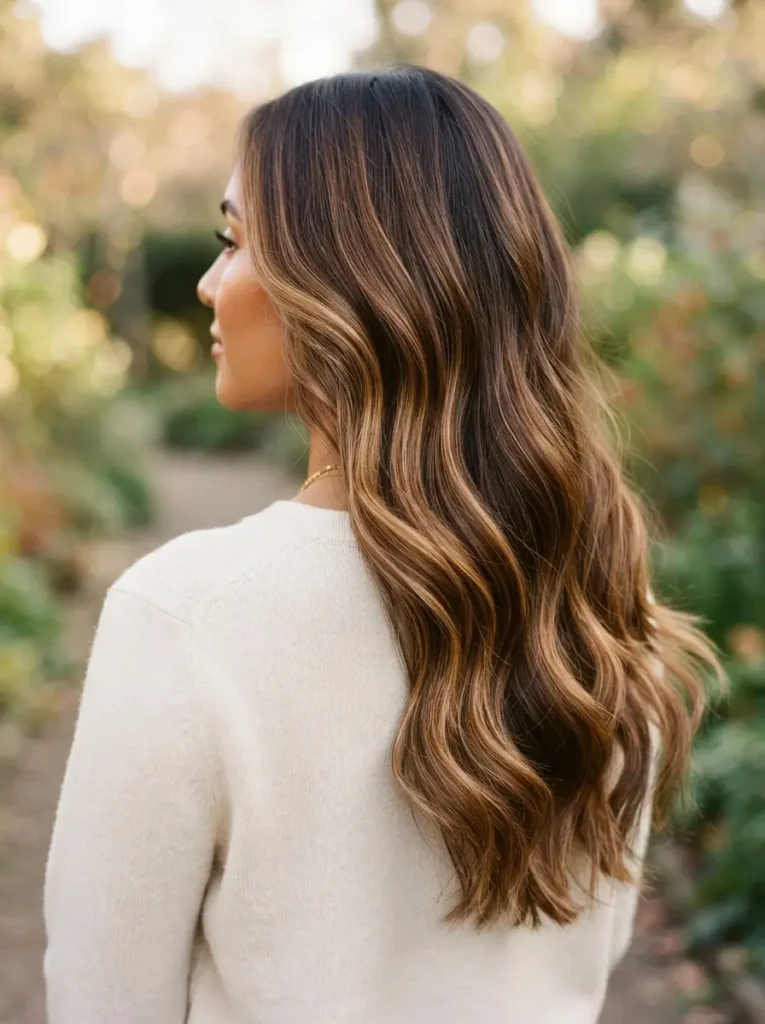
Toffee balayage adds creamy golden-brown brightness to brunette hair. The tone is slightly deeper and softer than honey blonde, making it easy to blend with medium or dark brown roots. The highlights can be painted in wide ribbons for stronger contrast or kept delicate for natural movement. Toffee adds warmth and shine while preserving a rich overall color. It looks particularly beautiful on loose curls and waves because the creamy sections move naturally through the darker base.
This shade suits warm, neutral, olive, and golden undertones. It works well for women who want brightness without becoming noticeably blonde. Maintenance is low to moderate when the painted sections begin away from the scalp. Use sulfate-free shampoo and a weekly moisture mask to protect the lightened lengths. Ask your stylist for creamy toffee balayage with a soft brown root melt. Be clear that you want rich golden-brown color rather than yellow, orange, or very pale blonde sections.
Copper Brunette Balayage

Copper brunette balayage introduces vivid orange-red warmth while keeping the roots and interior sections brown. The hand-painted placement allows the copper to appear gradually rather than covering the entire head. This creates a bold but balanced result with plenty of depth. Copper sections can make curls and waves look more defined, while straight hair displays the warm transition clearly. The finished style feels energetic, creative, and glowing.
This color suits warm, peach, golden, neutral, and olive undertones. It can be especially flattering for green, hazel, and warm brown eyes. Maintenance is moderate to high because copper pigments fade faster than many brunette shades. Use cool water, color-safe shampoo, and a copper-depositing conditioner when recommended. Ask your stylist to customize the intensity, ranging from soft penny copper to deep auburn-copper. Request enough brunette depth between the lighter sections so the result remains dimensional and wearable.
Face-Framing Brunette Balayage

Face-framing balayage concentrates the brightest pieces around the hairline, cheekbones, jaw, and front layers. The rest of the hair may contain only a few subtle highlights, allowing the front to become the main focus. This placement brightens the complexion and adds visible dimension without requiring a full head of lightening. The effect can be delicate and natural or bolder with wider money-piece sections.
This style suits women who want a noticeable change with less overall processing. It can be adapted for straight, wavy, curly, fine, or thick hair. Maintenance is moderate because front sections show toner changes and regrowth more clearly. Apply heat protectant carefully around the face, where styling tools are often used repeatedly. Ask your stylist how wide the front pieces should be and where the brightness should begin. A soft root shadow can help the face frame grow out more naturally.
Sun-Kissed Brunette Balayage

Sun-kissed brunette balayage imitates the natural lightening that develops after time outdoors. Fine, irregular pieces are painted around the surface, face frame, and ends, creating a soft result without a strict pattern. The brightness stays only a few levels lighter than the natural brunette base. This keeps the finished color believable, relaxed, and easy to wear. It adds glow while allowing the darker hair to remain dominant.
This option suits almost every skin undertone because the highlight shade can be adjusted toward caramel, beige, honey, or golden brown. It works on straight, wavy, curly, fine, and thick hair. Maintenance is low because the highlights begin away from the roots and grow out gently. Protect the lighter sections from strong sunlight and chlorine to prevent dryness. Ask your stylist for delicate, uneven placement that resembles natural sun exposure rather than evenly spaced foil highlights.
Espresso to Caramel Balayage

Espresso-to-caramel balayage creates strong depth at the roots and warm brightness through the lower lengths. The dark espresso base provides contrast, while carefully blended caramel pieces stop the transition from looking abrupt. The result can feel dramatic without becoming heavily blonde. It works especially well on long hair, where there is enough space to move gradually from dark brown to rich caramel.
This style suits dark brunettes, medium-to-deep skin tones, and long, thick, wavy, or layered hair. Maintenance is low to moderate because the roots remain dark and natural-looking. The lighter ends need moisture and protection because dark hair may require significant lifting. Use a repairing mask and avoid repeated high heat. Ask your stylist for several connecting brown shades between the espresso and caramel areas. This will create a softer transition and reduce the risk of obvious orange bands.
Brunette Balayage on a Bob

Brunette balayage on a bob creates dimension within a shorter, more structured haircut. The colorist can place brightness around the front, ends, or internal layers to emphasize the bob’s shape. On a blunt bob, soft balayage prevents the perimeter from appearing too heavy. On a layered bob, the lighter sections reveal movement and texture. Even a small amount of painted color can make a short haircut look fresher and more detailed.
This idea suits chin-length, neck-length, and shoulder-length bobs with straight, wavy, or lightly curly hair. Maintenance is moderate because short hair is trimmed more often, which gradually removes the lighter ends. Use lightweight products so the bob remains full and movable. Ask your stylist to coordinate the color with the haircut and place the brightest sections where they will remain visible. Avoid a generic pattern that ignores the front length, parting, and layer placement.
Brunette Balayage on Curly Hair
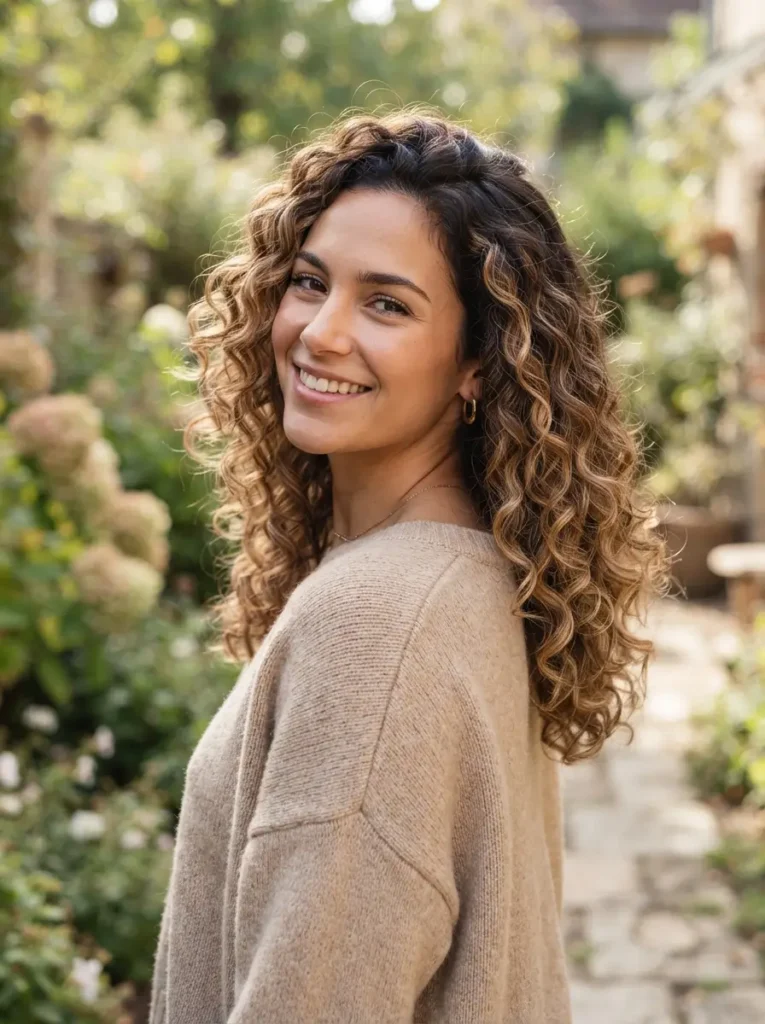
Brunette balayage on curly hair should follow individual curl groups rather than a flat pattern. The colorist paints selected spirals or coils so the brightness remains visible after the hair shrinks and forms its natural shape. Wider pieces may work better than very fine highlights on dense curls. Caramel, honey, chestnut, bronze, and copper shades can all enhance definition while preserving brunette depth.
This style suits wavy, curly, and coily hair with different densities. Maintenance is moderate because highlighted curls need regular moisture and gentle handling. Apply leave-in conditioner, curl cream, and heat protectant before diffusing. Ask your stylist to evaluate the hair in its natural dry state and select the curls that should receive brightness. Avoid excessive lightening, repeated overlap, or highlights that are too fine to remain visible. The goal is defined movement without weakening the curl pattern.
Brunette Balayage for Gray Blending

Brunette balayage for gray blending combines natural silver strands with beige, ash, mocha, or soft caramel pieces. Instead of covering every gray hair with one permanent brown color, the stylist creates several related tones that soften the line of new growth. This produces a dimensional and gradual transition. The result can help natural silver appear intentional while maintaining brunette depth.
This option suits women with scattered gray or silver hair who want softer regrowth rather than complete coverage. Maintenance may be lower than solid permanent color, although toner and gloss services are still helpful. Use moisturizing products because both gray and highlighted hair can feel dry. Ask your stylist how much silver should remain visible and whether the overall finish should appear warm or cool. Bring reference photos showing the balance of brunette and gray that you prefer.
Multi-Tonal Brunette Balayage

Multi-tonal brunette balayage combines several complementary shades, such as mocha, caramel, chestnut, and beige. The mixture creates depth because no single highlight color dominates the hairstyle. Darker sections remain between the painted pieces, helping the hair look fuller and more natural. This approach works particularly well on long layers, waves, and thick hair where several tones can be seen at once. The result feels rich, customized, and highly dimensional.
This style suits most brunette bases and can be adjusted for warm, cool, or neutral undertones. Maintenance is moderate because different tones may fade at different rates, making gloss appointments useful. Use color-safe products and avoid heavy styling buildup that reduces shine. Ask your stylist to choose two or three shades that work together rather than adding unrelated colors. Explain which sections should remain dark and how bright you want the lightest pieces to become.
How to Choose the Best Brunette Balayage Highlights for Your Face Shape
Face shape does not determine which balayage shade you can wear, but the placement of brightness can affect how your features appear. Thoughtful color placement can create length, add width, soften angles, or draw attention toward selected areas.
Women with round faces may prefer vertical balayage ribbons that begin below the fullest part of the cheeks. Keeping darker color close to the sides of the face can create a lengthening effect. A narrow face frame can work well when it continues below the jaw instead of stopping beside the cheeks.
Oval faces can wear almost every placement. Brightness may begin near the cheekbones, jawline, shoulders, or ends depending on the feature you want to emphasize. A full face frame, soft ribbons, or lower balayage can all look balanced.
Square faces often benefit from gently curved pieces around the temples and lower face. Softly blended color and waves can reduce the appearance of sharp angles. Avoid placing one thick, bright section directly beside the jaw unless you want to emphasize its structure.
Heart-shaped faces may look balanced with brightness near the chin and lower lengths. Keeping more brunette depth around the forehead can prevent the upper face from appearing wider. Curtain-style face framing can connect the top and lower sections softly.
Long or rectangular faces can benefit from balayage that begins around the cheekbones. This creates visual width through the center of the face. Placing all the brightness at the ends of very long hair may make the face and hairstyle appear even longer.
Diamond-shaped faces often suit balanced brightness around the forehead and jaw. Avoid concentrating the strongest contrast only beside prominent cheekbones. A gradual transition through several lengths creates a softer overall effect.
Your haircut, parting, and daily styling routine also affect placement. Bring reference photos showing your preferred front, side, and back views, and wear your usual part to the color appointment.
How to Choose the Best Brunette Balayage Highlights for Your Hair Type
Straight hair displays every transition clearly, so the balayage needs smooth blending. Fine ribbons, face-framing pieces, mocha tones, and beige-brown balayage can create polished dimension. Harsh lines or uneven painted sections are more visible on very straight hair.
Wavy hair naturally mixes light and dark shades as it bends. Caramel, honey, golden, and multi-tonal balayage look especially dimensional on waves. The stylist can place brightness on the sections that curve outward and naturally reflect light.
Curly hair needs color placement that follows curl groups. Wider painted sections usually remain more visible than fine highlights, especially on dense curls. The stylist should account for shrinkage and avoid over-lightening areas that are already fragile or dry.
Thick hair can support bold ribbons, several shades, and stronger contrast. Enough interior sections should be lightened so the balayage remains visible when the hair moves. Highlighting only the surface may leave most of the color hidden beneath dense layers.
Thin hair benefits from subtle, multi-tonal placement that creates depth. Keeping a darker root and interior sections can make the hair appear fuller. Avoid turning the entire lower half into one pale shade, as this may emphasize limited density.
Fine hair requires gentle processing because each strand is delicate. Low-contrast balayage, narrow face-framing pieces, and gradual lightening are usually safer than aggressive bleaching. Lightweight products and bond-supporting treatments can help preserve strength.
Tell your stylist how you normally wear your hair. Balayage placement should remain attractive when the hair is straight, curled, air-dried, tied back, or worn in its natural texture.
Styling and Maintenance Tips
- Use shampoo and conditioner made for colored or chemically treated hair.
- Wash with lukewarm water because very hot water may encourage fading and dryness.
- Reduce shampoo frequency when practical to help toner and gloss last longer.
- Apply conditioner mainly through the highlighted middle lengths and ends.
- Use a moisturizing mask once weekly when the lightened sections feel dry.
- Ask your stylist whether a bond-supporting treatment is suitable for your hair.
- Apply heat protectant before blow-drying, straightening, curling, or diffusing.
- Keep hot tools at the lowest effective temperature.
- Avoid passing a flat iron repeatedly over highlighted ends.
- Use blue shampoo when brunette balayage develops unwanted orange tones.
- Use purple shampoo only when pale beige or blonde sections become yellow.
- Avoid applying toning shampoo during every wash unless professionally advised.
- Schedule gloss or toner appointments when the color becomes dull.
- Apply lightweight shine serum through the ends for a polished finish.
- Avoid heavy oils near fine or naturally flat roots.
- Protect balayage from strong sunlight with a hat or ultraviolet-protection spray.
- Rinse the hair after swimming in chlorinated or salt water.
- Use a shower filter if hard water repeatedly changes the color tone.
- Trim dry or split ends every eight to twelve weeks.
- Avoid overlapping lightener on previously processed areas.
- Protect long hair overnight with a loose braid.
- Sleep on a satin or silk pillowcase to reduce friction and tangling.
- Clarify occasionally when minerals or styling products make the hair look dull.
- Bring your usual parting to each color appointment.
- Take reference photos in natural daylight rather than relying only on indoor images.
- Discuss the maintenance schedule before choosing very bright front pieces.
- Keep a record of the toner or gloss formula that works well for your hair.
Comparison Table
| Hairstyle | Best For | Hair Type | Maintenance | Styling Product |
| Caramel Brunette Balayage | Warm natural dimension | Straight, wavy, thick | Low to moderate | Shine serum |
| Honey Brunette Balayage | Golden facial brightness | Wavy, long, layered | Moderate | Heat protectant |
| Mocha Brunette Balayage | Subtle brunette depth | Most hair types | Low | Smoothing cream |
| Chocolate Brown Balayage | Natural low contrast | Straight, wavy, curly | Low | Gloss serum |
| Beige Brunette Balayage | Neutral brightness | Straight, wavy | Moderate | Purple shampoo |
| Ash-Brown Balayage | Cool smoky dimension | Straight, fine, medium | Moderate | Blue shampoo |
| Chestnut Brunette Balayage | Reddish-brown warmth | Wavy, curly, thick | Low to moderate | Color gloss |
| Golden Brunette Balayage | Bright sunlit color | Wavy, long, thick | Moderate | Moisture mask |
| Toffee Brunette Balayage | Creamy warm dimension | Straight, wavy | Low to moderate | Color-safe serum |
| Copper Brunette Balayage | Vibrant warm color | Wavy, curly | Moderate to high | Copper conditioner |
| Face-Framing Balayage | Brightening the complexion | Most hair types | Moderate | Heat protectant |
| Sun-Kissed Balayage | Soft natural brightness | All hair types | Low | UV-protection spray |
| Espresso to Caramel Balayage | High-contrast depth | Thick, long, wavy | Low to moderate | Repairing mask |
| Balayage on a Bob | Short dimensional shape | Straight, wavy | Moderate | Texture spray |
| Balayage on Curly Hair | Curl definition | Curly, coily | Moderate | Curl cream |
| Gray-Blending Balayage | Softer silver transition | Gray, fine, medium | Moderate | Moisturizing serum |
| Multi-Tonal Balayage | Rich customized depth | Thick, layered, long | Moderate | Shine spray |
Common Mistakes to Avoid
Choosing a Balayage Shade Only Because It Is Trending
A fashionable color may look attractive online but may not complement your natural base, skin undertone, or maintenance routine. Bright blonde face framing needs more care than subtle mocha balayage. Choose a personalized version of a trend rather than copying it exactly.
Ignoring Your Natural Hair Texture
Straight, wavy, curly, thick, and fine hair display balayage differently. Very fine painted pieces may disappear inside dense curls, while uneven transitions become obvious on straight hair. Placement should reflect your natural movement and usual styling method.
Choosing the Wrong Undertone
Caramel, honey, ash, beige, chestnut, and copper produce very different effects. A shade that conflicts with your complexion may look disconnected. Ask your stylist to customize the formula instead of relying only on a color name.
Lightening Dark Hair Too Quickly
Dark brunette hair may need several sessions to reach pale beige or blonde safely. Attempting an extreme lift in one appointment can cause dryness, breakage, and uneven orange sections. A gradual approach often produces a cleaner and healthier result.
Making the Contrast Too Harsh
Very pale ends against dark roots can look disconnected when there are no middle tones. A root melt, lowlights, or connecting brown shades can create a smoother transition. Strong contrast should still appear intentional and professionally blended.
Using Too Much Styling Product
Heavy oils, creams, waxes, and sprays can coat highlighted hair and reduce its shine. Product buildup may also make the balayage appear darker or duller. Begin with a small amount and apply moisture mainly to the ends.
Overusing Toning Shampoo
Purple and blue shampoos can control unwanted warmth, but frequent use may leave the hair dry, dull, or overly cool. Brunette balayage often needs some warmth to look rich. Use toning products only when the relevant unwanted shade appears.
Ignoring the Condition of the Ends
The ends are usually the oldest and most fragile part of the hair. Repeatedly lightening them can cause breakage and an uneven appearance. Your stylist should protect previously processed sections and trim damaged ends when necessary.
Not Showing Reference Photos
Words such as caramel, honey, mocha, and beige can mean different things to different people. Bring several photographs showing the tone, contrast, root depth, and placement you prefer. Choose examples with a natural base similar to your own.
Forgetting About Maintenance
Balayage usually grows out softly, but the lighter sections still need moisture, toner, trims, and heat protection. Discuss the cost and frequency of gloss appointments before choosing a very cool or bright result.
Frequently Asked Questions
What is brunette balayage?
Brunette balayage is a hand-painted highlighting technique that blends lighter brown, caramel, blonde, or warm tones into a brunette base. The placement usually becomes brighter through the lengths and ends. It creates dimension with a softer regrowth line than many traditional highlights.
Is brunette balayage low maintenance?
Brunette balayage is generally low maintenance because the color does not usually begin with a hard line at the roots. Many clients can wait several months between major lightening services. Toner, gloss, and trimming may still be needed between appointments.
Which balayage shade looks best on dark brown hair?
Caramel, toffee, chestnut, mocha, bronze, and golden-brown shades blend naturally with dark brown hair. Beige or ash tones can work when a cooler result is preferred. The safest choice depends on your undertone and how much lightening your hair can tolerate.
Can brunette balayage make hair look fuller?
Multi-tonal balayage can create the appearance of depth and movement, making hair look more dimensional. Keeping darker pieces between the highlights supports visual fullness. Thin hair usually benefits from delicate placement rather than solid pale ends.
How often should brunette balayage be refreshed?
Many balayage styles can last three to six months before needing major refreshing. Face-framing pieces or brighter ends may need toner sooner. Your natural growth rate, chosen contrast, and preferred finish will affect the schedule.
Does balayage damage brunette hair?
Balayage uses lightener, so it can cause dryness or damage when applied too aggressively. Professional placement, gradual lifting, bond support, and proper home care can reduce the risk. Previously processed or fragile hair may need a slower color plan.
Can curly brunette hair have balayage?
Curly brunette hair can look highly dimensional with balayage when the placement follows natural curl groups. Wider painted sections often remain more visible than very fine highlights. Moisture and careful lightening help preserve curl definition.
What is the difference between balayage and regular highlights?
Balayage is usually painted by hand and creates a soft, customized transition. Traditional highlights are commonly placed in foils and may begin closer to the scalp. Both methods can create natural or bold results depending on the technique.
How do I prevent brunette balayage from becoming brassy?
Use color-safe products, protect the hair from excessive heat, and reduce exposure to hard water and strong sunlight. Blue shampoo may help control orange tones when used correctly. A professional gloss provides more reliable tone correction.
What should I ask my stylist before getting balayage?
Discuss the desired tone, brightness, placement, root depth, and maintenance level. Show reference photos taken in natural light and explain how you usually style your hair. Ask how many sessions may be needed and how the color will fade.
Conclusion
Brunette balayage highlights offer a flexible way to add glow, movement, and depth without losing the richness of brown hair. Caramel, honey, and golden shades create warm brightness, while mocha, chocolate, beige, and ash tones offer more understated dimension.
The best result depends on your natural base, skin undertone, hair texture, condition, and maintenance preferences. Fine hair often benefits from delicate placement and darker interior sections. Thick or curly hair can support wider ribbons that remain visible through movement and density.
Placement is just as important as the final shade. Face-framing balayage can brighten the complexion, while lower painted pieces create a softer and easier grow-out. Multi-tonal color provides depth, and a shadowed root helps connect lighter ends to a dark brunette base.
Bring clear reference photos to your color appointment and discuss which parts of each image you like. Ask whether your desired brightness can be achieved safely in a single session and how often the toner will need to be refreshed.
With thoughtful placement, regular conditioning, heat protection, and professional toning, brunette balayage can remain rich and dimensional between salon visits. Choose a version that complements your natural features and works comfortably with your everyday routine.