Easy Hairstyles for Everyday Wear with Low-Effort Styling
Busy mornings do not always leave enough time for curling, straightening, braiding, or creating a detailed hairstyle. That is why easy hairstyles for everyday wear have become so popular. They help you look neat, confident, and put together without spending a long time in front of the mirror.
Low-effort hairstyles are useful for students, professionals, parents, travelers, gym-goers, and anyone who prefers a simple beauty routine. They can work for short, medium, or long hair and can be adjusted for straight, wavy, curly, thick, thin, or fine textures.
The key is choosing a hairstyle that works with your natural hair rather than fighting it. A relaxed ponytail, loose bun, claw-clip twist, or simple braid often looks better with a little natural texture and movement.
In this guide, you will discover 17 easy hairstyles for everyday wear with low-effort styling. You will also learn how to choose a style for your face shape and hair type, maintain healthy hair, select suitable products, avoid common mistakes, and create a routine that feels realistic for your lifestyle.
Quick Answer
The easiest everyday hairstyles include low ponytails, messy buns, claw-clip twists, half-up styles, and simple braids.
Choose a hairstyle that works with your natural texture and does not require constant heat styling.
Use lightweight products, gentle hair ties, and a few basic accessories to make styling faster.
A good haircut with manageable layers can also reduce the time needed for daily styling.
Table of Contents
- Easy Hairstyles for Everyday Wear with Low-Effort Styling
- How to Choose an Everyday Hairstyle for Your Face Shape
- How to Choose an Everyday Hairstyle for Your Hair Type
- Styling and Maintenance Tips
- Everyday Hairstyle Comparison Table
- Common Mistakes to Avoid
- Frequently Asked Questions
- Conclusion
Best Easy Hairstyles for Everyday Wear with Low-Effort Styling Ideas
Classic Low Ponytail
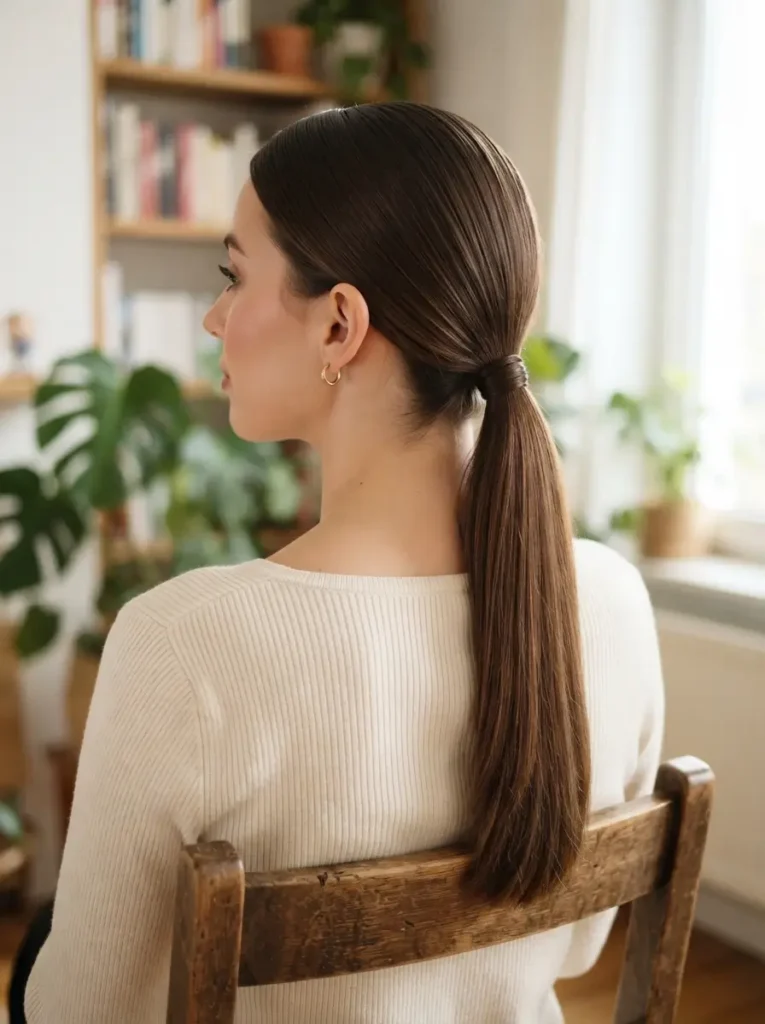
The classic low ponytail is one of the easiest hairstyles to create when you want a clean and polished appearance. The hair is gathered near the nape and secured with a soft elastic, creating a simple shape that works for work, school, errands, or casual outings. You can keep the surface smooth for a refined finish or loosen a few sections for a softer look. A center part feels modern, while a side part adds gentle volume and facial framing.
This style suits medium and long hair with straight, wavy, curly, thick, or fine textures. Maintenance is very low because it takes only a few minutes and does not require heat. Use a lightweight smoothing cream for flyaways or texture spray if the ponytail needs more body. Avoid pulling the elastic too tightly, especially around the hairline. Ask your stylist for long face-framing pieces if you want softness around the cheeks. A small section of hair wrapped around the elastic can make the ponytail appear more polished.
Relaxed Messy Bun

A relaxed messy bun creates an effortless look with soft movement and natural texture. The hair is gathered loosely, twisted around itself, and secured with an elastic, scrunchie, or a few pins. The bun does not need to appear perfectly round or smooth. Small loose sections around the face and nape can make the style feel softer and more intentional. It works especially well on second-day hair because natural oils provide grip and reduce slipping.
This hairstyle suits medium to long hair and works well for straight, wavy, curly, thick, and textured strands. Maintenance is very low, although fine hair may need dry shampoo or texture spray for extra hold. Gather the hair gently and avoid twisting it too tightly, as repeated tension can cause breakage. If your layers fall out, secure them with small pins rather than using excessive hairspray. Ask your stylist for face-framing layers that remain long enough to blend into updos. A silk scrunchie can reduce friction while keeping the bun comfortable throughout the day.
Claw-Clip French Twist

The claw-clip French twist is a quick alternative to a traditional updo. The hair is gathered at the back, twisted upward, and secured with a medium or large claw clip. The ends can be tucked inside for a neat finish or left visible for a more casual appearance. This hairstyle creates vertical movement and keeps the hair away from the face without requiring complicated pins. It can look elegant enough for work while still feeling relaxed for everyday activities.
This style suits medium and long hair, especially straight, wavy, and thick textures. Fine hair can also wear it with a smaller clip and a little texture spray. Maintenance is extremely low, but selecting the correct clip size is important. A clip that is too small may slip, while a very heavy clip can pull on the scalp. Twist the hair gently rather than forcing it tightly. Ask your stylist to avoid very short layers at the back if you regularly wear clips. Choose smooth clips without sharp edges to reduce snagging and breakage.
Half-Up Half-Down Hairstyle

The half-up half-down hairstyle combines the comfort of tied-back hair with the softness of loose lengths. The upper section is gathered from the temples or crown and secured with an elastic, barrette, clip, or small scrunchie. It keeps hair away from the face while preserving natural movement through the lower half. The style can look smooth and polished or relaxed and slightly tousled, depending on your parting and hair texture.
This hairstyle works for short bobs, medium lengths, and long hair. It suits straight, wavy, curly, thick, and fine textures because the amount of hair gathered can be adjusted. Maintenance is low, and most versions take less than five minutes. Add light root spray near the crown if you want more volume. Avoid pulling the front section too tightly, as this can make the style look severe. Ask your stylist for long, blended layers that can still reach the back section. A small claw clip is often easier and gentler than a tight elastic.
Loose Side Braid

A loose side braid is practical, feminine, and easy to create without a mirror. The hair is brought over one shoulder and divided into three sections before being braided loosely toward the ends. Gently pulling the outer edges of the braid can make it appear fuller and more relaxed. The side placement adds visual interest while keeping the hair controlled during work, travel, or outdoor activities.
This hairstyle suits medium and long hair and works especially well for wavy, curly, thick, or textured strands. Fine hair can benefit from dry texture spray before braiding, which adds grip and makes the braid appear wider. Maintenance is very low, and the style often looks better when it is not perfectly smooth. Secure the end with a small fabric-covered elastic. Ask your stylist to keep front layers long enough to blend into the braid if you prefer a neat result. If shorter pieces fall out, allow them to frame the face naturally or secure them with a decorative pin.
Sleek High Ponytail
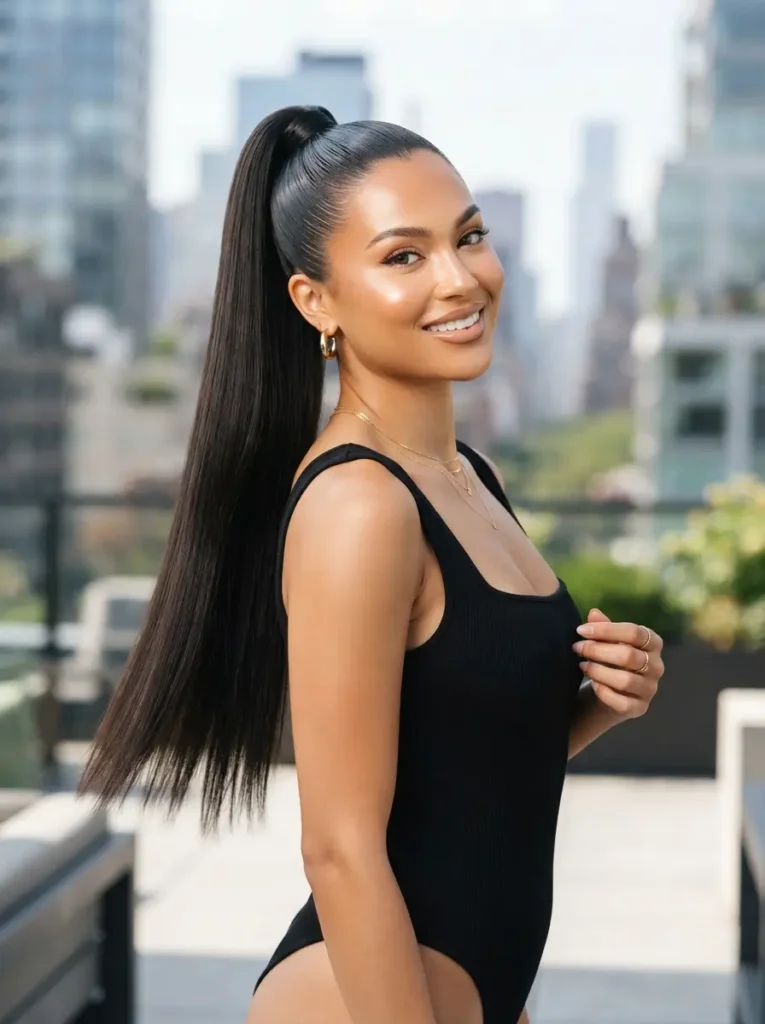
A sleek high ponytail creates an energetic and polished appearance while keeping the hair completely away from the face. The hair is brushed upward and secured near the crown, creating height and a clean outline. It can make a simple outfit feel more intentional and works well for workouts, busy days, or evening plans. Wrapping a small section of hair around the base can hide the elastic and improve the finished look.
This style suits medium and long hair, particularly straight, wavy, thick, and medium-density textures. Fine hair may benefit from a lightweight ponytail extension or gentle teasing near the base, although this is optional. Maintenance is low, but the ponytail should not be worn very tightly every day. Apply a small amount of smoothing gel or edge cream only where needed. Ask your stylist for layers that can reach the ponytail without creating too many loose pieces. Alternate the ponytail height during the week to reduce repeated tension on the same area.
Simple Low Bun

The simple low bun is a clean hairstyle that works for professional, casual, and formal settings. The hair is gathered at the nape, twisted into a compact shape, and secured with an elastic or hairpins. Unlike a messy bun, this version usually has a smoother surface and a more controlled outline. A center part creates a modern finish, while a side part adds softness and gentle asymmetry.
This hairstyle suits medium and long hair with straight, wavy, curly, thick, or fine textures. Maintenance is very low, although layered hair may require two or three extra pins. Use a light smoothing cream instead of heavy gel if you prefer a soft finish. Fine hair can wear a padded bun accessory for additional fullness, but a small natural bun can look equally elegant. Ask your stylist for face-framing pieces if you want to soften the style. Use gentle pins with rounded tips, and avoid securing the bun in the same place every day.
Textured Shoulder-Length Hair

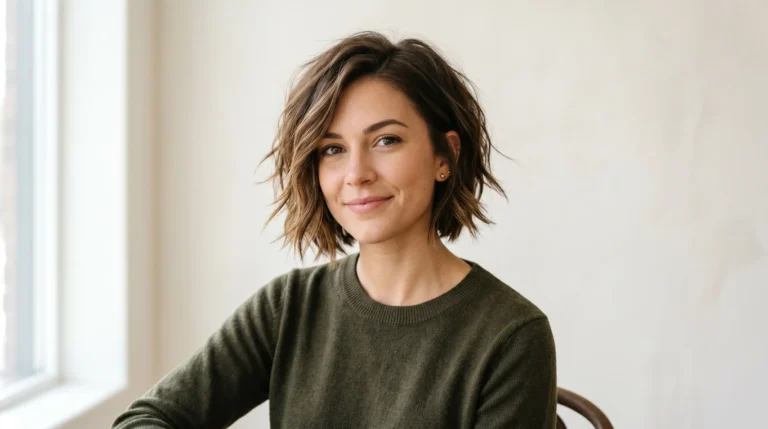
Textured shoulder-length hair is an easy everyday option because the cut provides shape without needing an updo. Soft layers and natural bends create movement, while the shoulder-skimming length remains manageable. The hairstyle can be air-dried, loosely scrunched, or refreshed with a few quick bends around the front. It has a relaxed, modern feeling that works well with casual clothing and professional outfits.
This style suits straight, wavy, and lightly curly hair, especially when the natural texture already has some movement. Maintenance is low to moderate because the haircut usually needs trimming every eight to ten weeks. Apply lightweight mousse or texture spray to damp hair, then allow it to air-dry. Avoid adding too many short layers if your hair is fine, as this may reduce fullness. Ask your stylist for soft, blended layers and a shoulder-length perimeter. A few longer pieces around the face can create shape without requiring daily heat styling.
Natural Air-Dried Waves

Natural air-dried waves create an effortless hairstyle that uses the hair’s existing pattern instead of changing it with hot tools. After washing, the hair is gently scrunched with a lightweight styling product and left to dry naturally. The finished result may include soft bends, uneven waves, or relaxed texture. This variation gives the style personality and prevents it from looking overly controlled.
This hairstyle suits naturally wavy hair and straight hair that develops bends when air-dried. Maintenance is low because it reduces blow-drying and curling time. Apply mousse, wave spray, or light curl cream to damp hair, then avoid touching it repeatedly as it dries. Use a microfiber towel or cotton T-shirt to remove excess water without creating frizz. Ask your stylist for layers that encourage movement without making the ends too thin. Refresh the waves on the following day with a small amount of water and leave-in spray rather than washing the hair again.
Easy Top Knot
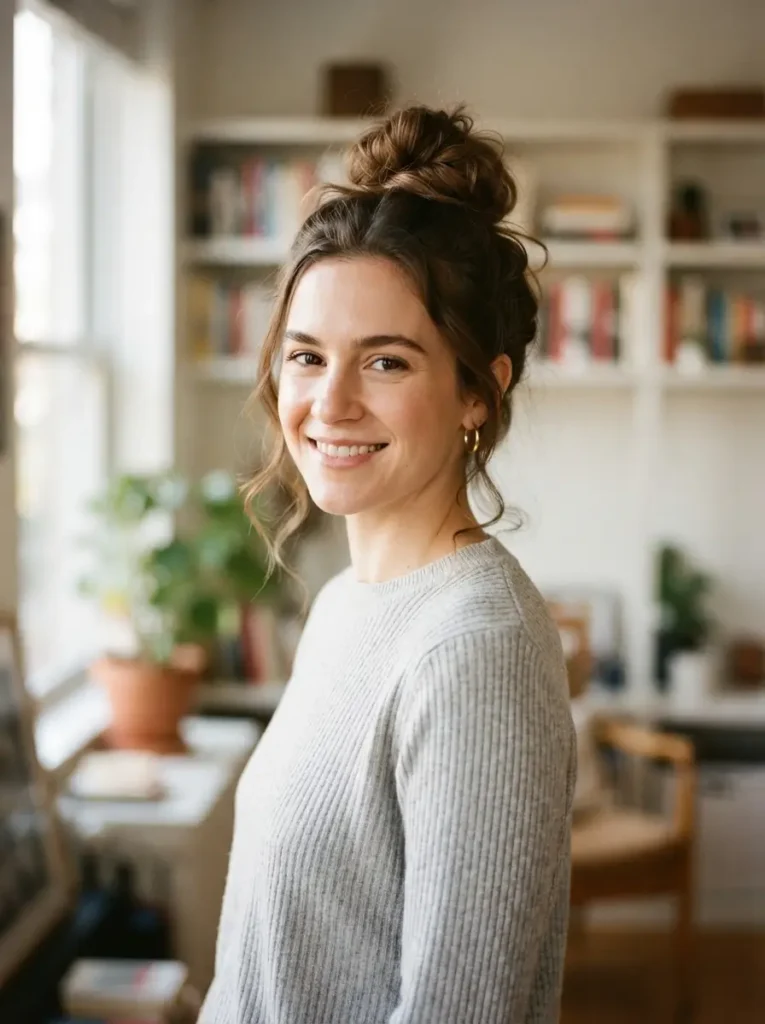
The easy top knot is a practical hairstyle for busy mornings, workouts, warm weather, and second-day hair. The hair is gathered high on the head, twisted loosely, and secured into a bun. The result can be compact and neat or soft and slightly messy. Its high placement creates visual lift and keeps the neck and face clear, which can feel especially comfortable during active days.
This hairstyle works best for medium and long hair. Straight, wavy, curly, thick, and fine textures can all wear it, although fine hair may need texture spray for grip. Maintenance is very low, but repeated tight top knots can place stress on the hairline. Use a soft scrunchie and avoid pulling every strand firmly. Ask your stylist to keep enough length through the crown and sides if you wear high buns regularly. For a softer finish, leave a few face-framing pieces loose and secure short sections with small pins rather than adding heavy product.
Headband Hairstyle
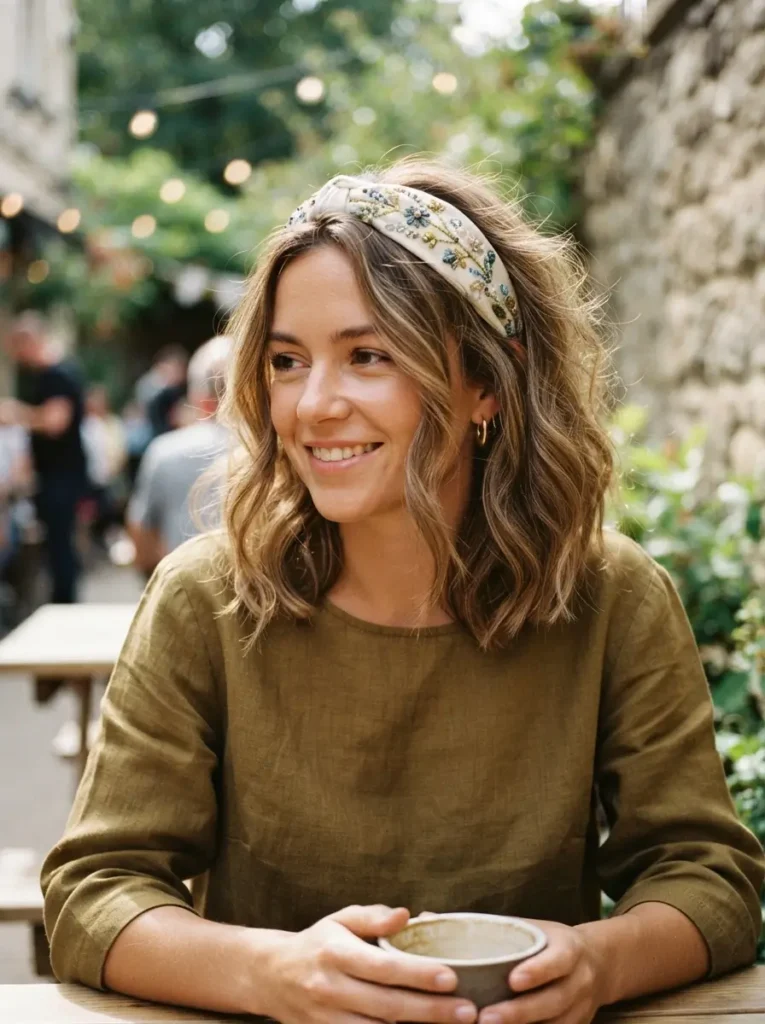
A headband hairstyle is one of the fastest ways to make loose hair look more finished. A simple band pushes the front sections away from the face and adds a small decorative element without requiring braiding, heat, or detailed styling. Thin headbands create a subtle appearance, while padded or patterned designs can become the main focus of the look. The hair can remain straight, wavy, curly, or tied into a low ponytail.
This style suits every hair length and texture, including short crops, bobs, medium hair, and long lengths. Maintenance is extremely low because the accessory performs most of the work. Choose a comfortable headband that does not press heavily behind the ears. Use dry shampoo at the roots if the hair needs freshness or volume. Ask your stylist for soft layers around the face if you want a few pieces to remain outside the band. Avoid headbands with rough seams or exposed metal, as they may catch fine or fragile strands.
Low Bubble Ponytail

The low bubble ponytail looks more detailed than a regular ponytail but remains easy to create. The hair is secured at the nape, then additional elastics are placed several inches apart down the length. Each section is gently pulled outward to create rounded bubble shapes. The finished style feels playful and modern while keeping the hair controlled throughout the day.
This hairstyle suits medium and long hair, particularly thick, straight, wavy, or textured strands. Fine hair can wear it by using smaller sections and gently loosening each bubble for extra fullness. Maintenance is low, although it may take a few more minutes than a standard ponytail. Use soft, snag-free elastics and avoid tightening them excessively. Apply texture spray before styling if the hair is slippery. Ask your stylist to keep lower layers long enough to remain inside the ponytail. A ribbon or decorative elastic can make the style feel more polished without adding difficulty.
Loose Half-Up Bun
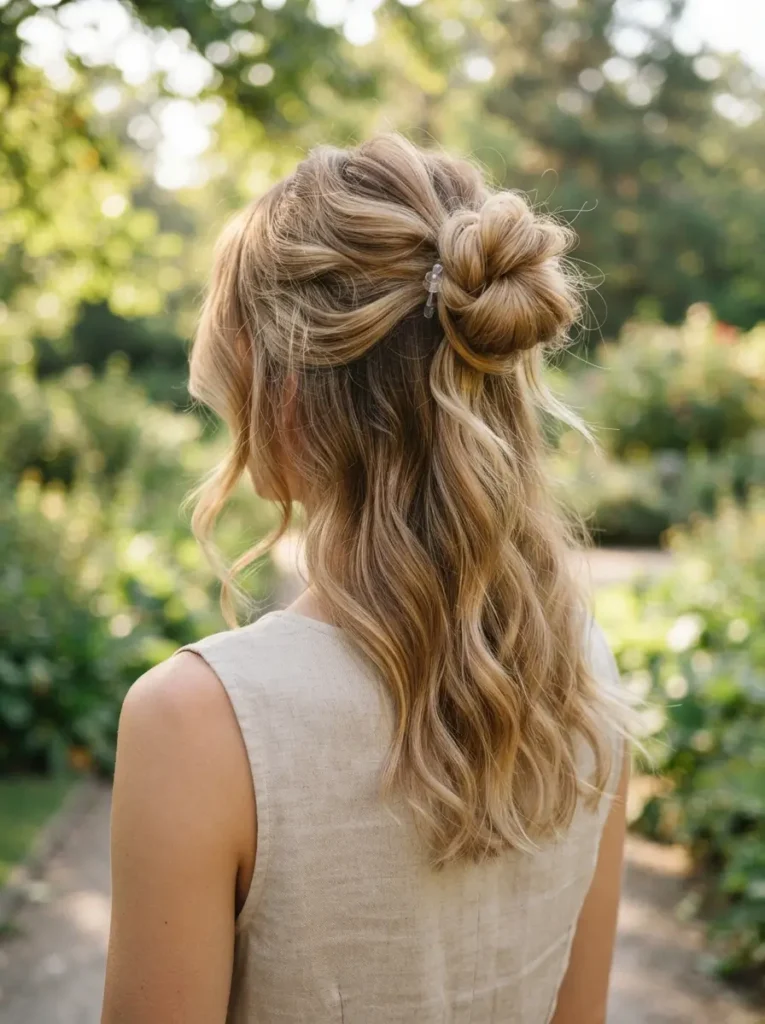
The loose half-up bun combines a small top knot with free-flowing hair through the lower lengths. The top section is gathered from the temples, twisted into a relaxed bun, and secured with a small elastic or clip. This adds height near the crown while keeping most of the hair visible. The style looks casual, youthful, and slightly playful without appearing overly styled.
This hairstyle works for bob-length, medium, and long hair. It suits straight, wavy, curly, thick, and fine textures because the top section can be adjusted according to density. Maintenance is very low, and the style can be created in a few minutes. Use light dry shampoo or texture spray if the bun needs grip. Avoid taking too much hair from the sides when your overall density is low. Ask your stylist for long crown layers that can reach the bun. Keep the lower hair natural, or create two quick bends around the face when you want a slightly more polished result.
Simple Rope Braid
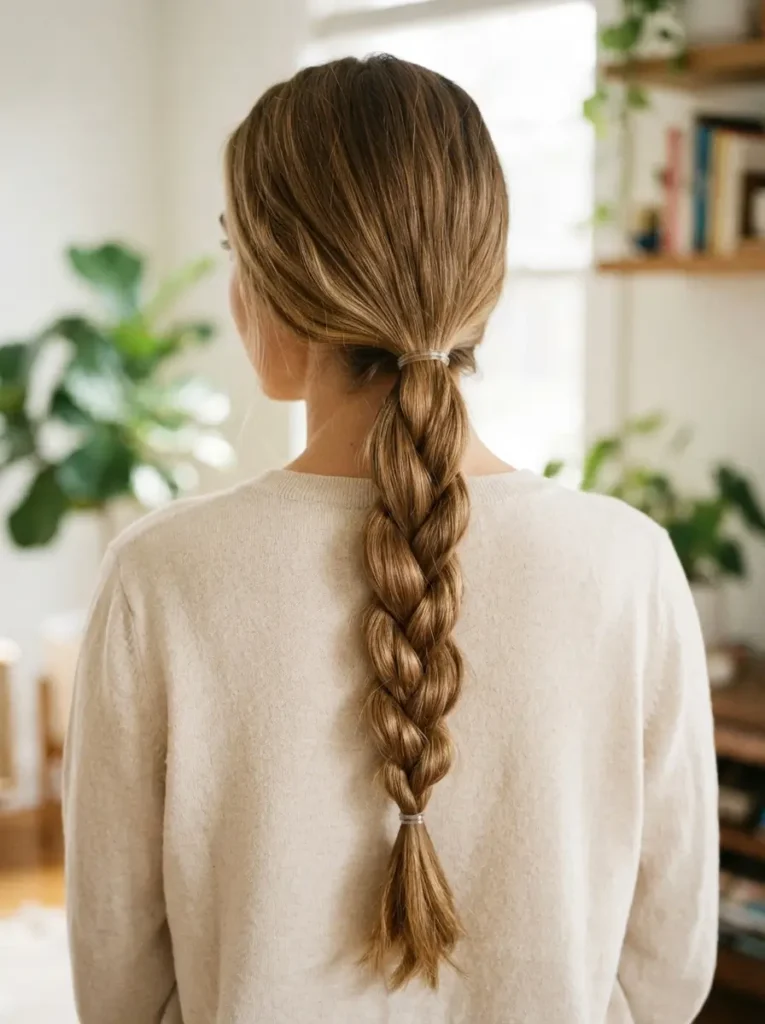
A rope braid uses only two sections of hair, making it easier than a traditional three-strand braid. The two sections are twisted individually in the same direction and then wrapped around each other in the opposite direction. This creates a defined spiral that looks neat and interesting without requiring advanced braiding skills. It can be worn at the back or over one shoulder.
This style suits medium and long hair, especially straight, wavy, thick, and smooth textures. Fine hair can wear a looser rope braid to create the appearance of more fullness. Maintenance is low, but a little styling cream may be needed to control shorter sections. Secure the braid with a gentle elastic and pull it slightly apart for a softer finish. Ask your stylist to avoid too many short layers if braids are part of your daily routine. A low ponytail can be created first to make the braiding process easier and more secure.
Tucked-Behind-the-Ears Bob
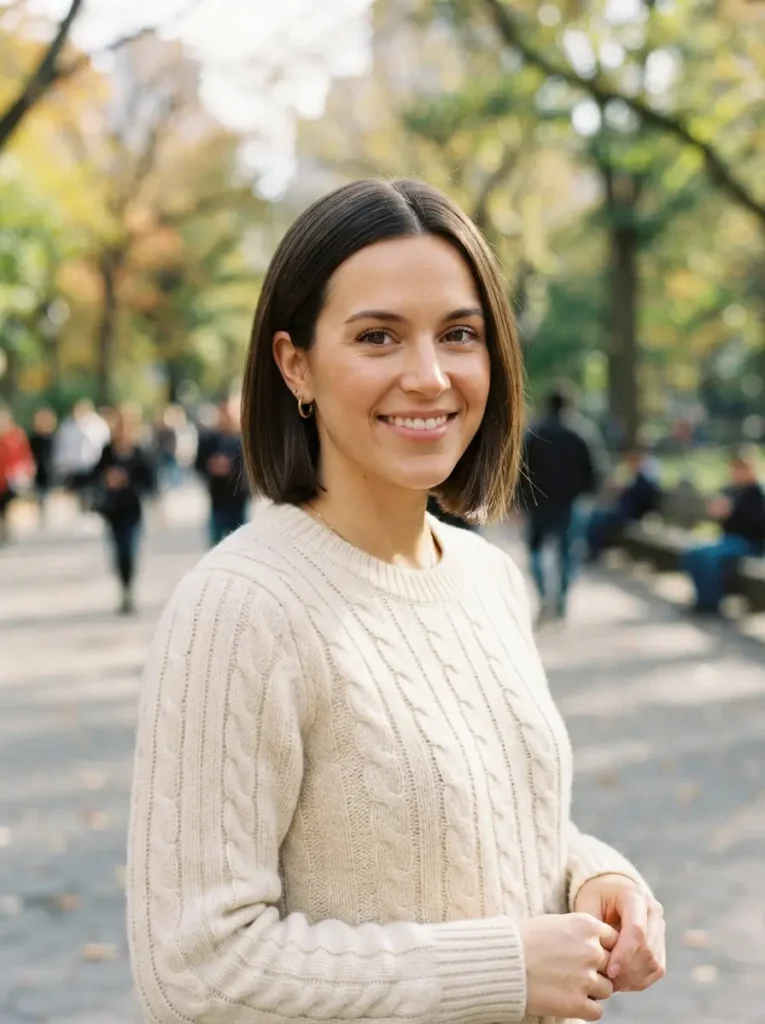
A tucked-behind-the-ears bob is a simple way to style short hair without using heat or accessories. One or both sides are placed behind the ears, creating a clean shape and drawing attention to the face. The tuck can make a blunt bob look sleek, a layered bob feel relaxed, or a wavy bob appear more controlled. It is especially useful when front pieces fall forward during work or daily tasks.
This hairstyle suits chin-length, jaw-length, and neck-length bobs with straight, wavy, or lightly curly textures. Maintenance is very low because the haircut provides most of the structure. Use a small amount of smoothing cream or lightweight wax near the sides if the hair slips forward. Ask your stylist to keep the front long enough to reach behind the ears comfortably. Fine hair should retain fullness around the ends, while thick hair may need internal weight removal. Small decorative pins can be added when extra security is needed.
Wash-and-Go Curly Hairstyle

A wash-and-go curly hairstyle allows natural curls or coils to remain the main feature. After washing and conditioning, the hair is styled with leave-in conditioner, curl cream, gel, or mousse and left to air-dry or diffuse. The goal is not to make every curl identical. Instead, the style celebrates natural volume, shape, and movement while reducing the need for daily manipulation.
This option suits curly and coily hair of different lengths and densities. Maintenance is low once the correct product routine is established, although drying time may vary. Apply products to wet hair in sections, then avoid touching the curls until they are dry. Ask your stylist for a shape that works with your natural shrinkage and density. Layers should be placed carefully to prevent unwanted width or flatness. Sleep with a satin bonnet or pillowcase and refresh flattened areas with water or leave-in spray instead of fully restyling every morning.
Soft Side-Parted Loose Hair

Soft side-parted loose hair is a simple everyday style that requires very little effort but can change the overall appearance of the face. Moving the part slightly to one side creates natural lift at the roots and allows the front sections to sweep gently across the forehead. The rest of the hair can remain straight, wavy, curly, or naturally textured. The style feels soft, approachable, and suitable for almost any setting.
This hairstyle works for short, medium, and long hair and suits most textures. Maintenance is extremely low because the main change comes from the direction of the part. Use a root-lifting spray or dry shampoo if the hair needs additional height. Blow-dry only the front section for one or two minutes when necessary. Ask your stylist to shape face-framing pieces around your preferred side part. Mention any cowlicks so the part can work with your natural growth pattern rather than requiring constant product or heat.
How to Choose the Best Easy Hairstyle for Everyday Wear for Your Face Shape
Face shape can help you decide where to place volume, which parting to choose, and how tightly to pull the hair back. However, these suggestions are flexible. Your comfort, hairline, texture, and personal style are equally important.
Women with round faces may prefer hairstyles that create height or vertical lines. A high ponytail, top knot, side braid, or claw-clip twist can visually lengthen the face. Leaving a few longer pieces around the cheeks may create additional definition. Very tight styles with all the volume placed directly beside the cheeks can make the face appear wider.
Oval faces can wear most everyday hairstyles easily. Low ponytails, buns, loose waves, braids, and half-up looks can all work well. Choose the style according to your hair texture and daily routine rather than following strict face-shape rules.
Square faces often look balanced with softness around the temples and jawline. A loose bun, side-parted style, relaxed braid, or half-up hairstyle can soften stronger angles. Avoid pulling the hair extremely tightly if you prefer a gentler appearance.
Heart-shaped faces may benefit from styles that add softness around the lower face. Low buns, side braids, loose shoulder-length hair, and curtain-like front pieces can create balance. High styles can also work when a few sections are left loose around the jaw.
Long or rectangular faces often suit hairstyles that create width rather than excessive height. Low ponytails, side braids, headband styles, and loose waves can add balance. Very high top knots with tightly pulled sides may make the face appear longer.
Diamond-shaped faces can be complemented by soft volume near the forehead and jawline. Side parts, loose buns, half-up styles, and tucked bobs can highlight the cheekbones without concentrating too much width in one area.
Your hairstyle should also feel comfortable around glasses, earrings, bangs, and your natural hairline. Try several easy options and notice which styles feel balanced from the front and side.
How to Choose the Best Easy Hairstyle for Everyday Wear for Your Hair Type
Straight hair usually feels smooth and easy to gather, but it may slip out of clips or braids. Low ponytails, sleek buns, tucked bobs, and claw-clip twists work well. Use a small amount of texture spray when you need extra grip, especially on freshly washed hair.
Wavy hair is naturally suited to relaxed everyday styles. Messy buns, side braids, half-up buns, air-dried waves, and low ponytails can highlight the natural movement. Avoid brushing dry waves repeatedly because this may create frizz and remove definition.
Curly hair benefits from hairstyles that preserve the curl pattern and reduce unnecessary manipulation. Wash-and-go styles, pineapple buns, loose ponytails, claw clips, and half-up looks can work well. Use soft accessories and avoid pulling the curls too tightly.
Thick hair needs strong but gentle accessories. Large claw clips, wide elastics, sturdy pins, and long hair ties can provide better support. Low buns, braids, twists, and bubble ponytails often control the hair effectively. Avoid small clips that create pressure or slip out.
Thin hair usually looks fuller when styles remain soft and slightly loose. Half-up hairstyles, low ponytails, headbands, and small messy buns can work well. Pulling the hair too tightly may make low-density areas more visible. Texture powder or dry shampoo can create temporary fullness.
Fine hair can be dense but still become flat or slippery. Lightweight mousse, root spray, and texture mist can improve grip without weighing it down. Avoid heavy oils, thick creams, and large amounts of gel. Loose braids, side parts, claw clips, and half-up styles are usually practical.
The easiest hairstyle is often the one that works with your natural texture after washing. A supportive haircut, balanced layers, and suitable accessories can reduce daily styling time more effectively than learning complicated techniques.
Styling and Maintenance Tips
- Choose two or three reliable hairstyles that you can create quickly without a mirror.
- Keep soft elastics, scrunchies, pins, and claw clips in places you use regularly.
- Use fabric-covered hair ties to reduce pulling, dents, and breakage.
- Avoid wearing tight ponytails or buns in the same position every day.
- Apply dry shampoo before the roots become extremely oily for better control.
- Use lightweight texture spray when clean hair feels too slippery for braids or clips.
- Apply smoothing cream only to areas with visible flyaways.
- Use curl cream or light gel on damp curly hair to improve definition.
- Avoid adding heavy oils near fine or naturally flat roots.
- Wash your hair according to scalp needs rather than following a fixed trend.
- Apply conditioner mainly through the lengths and ends when roots become oily easily.
- Use a clarifying shampoo occasionally to remove product buildup.
- Trim split ends every eight to twelve weeks, depending on your haircut and condition.
- Keep bangs or face-framing sections trimmed so they remain easy to control.
- Apply heat protectant before blow-drying, curling, or straightening.
- Use hot tools only on the sections that need attention instead of restyling all your hair.
- Lower the temperature of heat tools when your hair is fine, colored, or fragile.
- Air-dry whenever practical to reduce daily heat exposure.
- Sleep on a satin or silk pillowcase to reduce frizz and tangling.
- Use a satin bonnet or loose pineapple method to protect curls overnight.
- Detangle gently from the ends upward rather than pulling from the roots.
- Clean brushes, combs, and clips regularly to prevent product and oil buildup.
- Avoid accessories with exposed metal, rough edges, or broken teeth.
- Take a photo when a hairstyle works well so you can remember the placement.
- Ask your stylist to demonstrate quick styling options that suit your haircut.
Comparison Table
| Hairstyle | Best For | Hair Type | Maintenance | Styling Product |
| Classic Low Ponytail | Work and daily errands | All hair types | Very low | Smoothing cream |
| Relaxed Messy Bun | Second-day hair | Wavy, thick, long | Very low | Texture spray |
| Claw-Clip French Twist | Fast polished styling | Straight, wavy, thick | Very low | Light texture mist |
| Half-Up Half-Down Style | Keeping hair off the face | All hair types | Low | Root spray |
| Loose Side Braid | Travel and casual days | Wavy, curly, thick | Very low | Dry texture spray |
| Sleek High Ponytail | Active and polished looks | Straight, wavy, thick | Low | Smoothing gel |
| Simple Low Bun | Professional everyday wear | All hair types | Very low | Styling cream |
| Textured Shoulder-Length Hair | Natural movement | Straight, wavy | Low to moderate | Lightweight mousse |
| Natural Air-Dried Waves | Heat-free styling | Wavy hair | Low | Wave spray |
| Easy Top Knot | Warm weather and workouts | Medium and long hair | Very low | Dry shampoo |
| Headband Hairstyle | Fast facial framing | All hair types | Very low | Root powder |
| Low Bubble Ponytail | Playful controlled style | Medium and long hair | Low | Texture spray |
| Loose Half-Up Bun | Casual everyday style | All hair types | Very low | Light mousse |
| Simple Rope Braid | Easy braided look | Straight, wavy, thick | Low | Styling cream |
| Tucked-Behind-the-Ears Bob | Short hair styling | Straight, wavy | Very low | Lightweight wax |
| Wash-and-Go Curls | Natural curl definition | Curly, coily | Low | Curl cream |
| Soft Side-Parted Hair | Quick root lift | All hair types | Very low | Root-lifting spray |
Common Mistakes to Avoid
Choosing a Hairstyle Only Because It Is Trending
A hairstyle may look attractive online but still feel uncomfortable or unrealistic for your daily routine. A highly polished ponytail may require more brushing and product than you want to use. Choose options that match your available time, hair texture, and typical activities.
Ignoring Your Natural Hair Texture
A style that takes two minutes on straight hair may require additional preparation on curls or thick waves. Work with your natural texture instead of forcing it into a completely different shape every morning. This approach saves time and reduces unnecessary heat exposure.
Pulling the Hair Too Tightly
Tight ponytails, buns, and braids may cause scalp discomfort and place stress on the hairline. Repeated tension can also contribute to breakage. Keep everyday styles secure but comfortable, and change their position regularly.
Using Too Much Product
Heavy mousse, gel, oil, wax, or hairspray can make a simple hairstyle look stiff or greasy. Start with a small amount and apply more only where needed. Fine and thin hair usually requires less product than thick or coarse hair.
Using the Wrong Accessories
A claw clip that is too small may slip out, while a very heavy clip may create pressure. Thin elastics can pull on thick hair, and rough metal parts can damage fine strands. Choose accessories according to your hair length, density, and texture.
Ignoring Hair Health
An easy style can hide dry ends temporarily, but it will not repair them. Regular conditioning, gentle detangling, and occasional trims keep everyday hairstyles looking better. Healthy hair is also easier to manage and requires less styling product.
Not Showing Reference Photos
When changing your haircut to support easy styling, clear photographs can help your stylist understand your goal. Show examples of the length, layers, fringe, and updos you prefer. Mention which hairstyles you wear most often so the cut can support them.
Choosing Layers That Are Too Short
Very short layers may fall out of ponytails, buns, clips, and braids. This can add extra styling time and require more pins. Ask your stylist to keep layers long enough to reach your preferred everyday hairstyles.
Using Heat Every Morning
Daily straightening or curling can turn a simple routine into a time-consuming habit. It may also increase dryness and breakage. Use heat only on visible sections or choose hairstyles that work with your natural texture.
Expecting Every Style to Look Perfect
Low-effort hairstyles often look best when they have a little softness and movement. A loose piece or uneven wave does not always need to be corrected. Trying to create a flawless finish can add unnecessary time and product.
Frequently Asked Questions
What is the easiest hairstyle for everyday wear?
A low ponytail, loose bun, or claw-clip twist is usually the easiest choice. These styles take only a few minutes and work for many hair textures. Use gentle accessories to keep the hair secure without excessive tension.
How can I style my hair quickly in the morning?
Prepare basic accessories the night before and choose a hairstyle that suits your natural texture. Dry shampoo, texture spray, or a small amount of smoothing cream can refresh the hair quickly. Focus on the front and crown rather than restyling every section.
What is an easy hairstyle for second-day hair?
A messy bun, low braid, claw-clip twist, or bubble ponytail works well on second-day hair. Natural oils provide extra grip and make these styles easier to secure. Apply dry shampoo at the roots if additional freshness is needed.
Which everyday hairstyle is best for fine hair?
Fine hair often suits side parts, half-up styles, low ponytails, and small claw-clip twists. Lightweight root spray or texture mist can create grip and fullness. Avoid heavy oils and very tight styles that make the scalp more visible.
What easy hairstyle works for thick hair?
Large claw-clip twists, low buns, side braids, and bubble ponytails can control thick hair effectively. Use strong accessories with smooth edges and enough space to hold the hair. Avoid small clips or thin elastics that create pressure.
How can I make a ponytail look fuller?
Apply texture spray through the lengths and gently loosen the hair near the crown. You can divide the ponytail into two sections and place a small clip between them for lift. Soft waves can also make the ponytail appear thicker.
Are claw clips safe for everyday use?
Smooth claw clips can be a gentle option when they fit your hair density correctly. Avoid clips with sharp seams, broken teeth, or excessive weight. Change the placement regularly and do not twist the hair painfully tight.
What is the best heat-free everyday hairstyle?
Air-dried waves, wash-and-go curls, loose braids, buns, and claw-clip styles are useful heat-free options. They work with the hair’s natural pattern and reduce daily styling time. Use lightweight products to improve definition and control.
How often should I trim my hair for easy styling?
Most medium and long hairstyles benefit from trims every eight to twelve weeks. Short bobs, bangs, and structured cuts may need more frequent appointments. Regular trimming prevents damaged ends from making simple styles look untidy.
What should I ask my stylist for if I want low-maintenance hair?
Explain which everyday styles you wear and how much time you spend styling. Ask for layers that work with your natural texture and remain long enough for ponytails or clips. Bring reference photos and discuss how the cut will air-dry.
Conclusion
Easy hairstyles for everyday wear should save time, feel comfortable, and work with your natural hair. A low ponytail, relaxed bun, claw-clip twist, half-up style, or simple braid can create a neat appearance without requiring advanced skills.
The best option depends on your hair length, texture, density, face shape, and daily activities. Straight hair may benefit from texture spray, while curls often need moisture and gentle accessories. Thick hair requires stronger clips, and fine hair usually looks better with lightweight products and softer tension.
You do not need a completely different hairstyle every morning. Choose two or three dependable looks and practice them until they become part of your routine. A supportive haircut, suitable accessories, and a few well-chosen products can make styling much faster.
Bring reference photos to your stylist and explain which low-effort hairstyles matter most to you. Ask for layers and face-framing pieces that remain manageable when the hair is air-dried, tied back, or clipped up.
The right everyday hairstyle should make you feel comfortable and confident without adding stress to your morning. Keep the routine simple, protect your hair from unnecessary tension and heat, and select styles that fit naturally into your life.