
Short Pixie Cuts for Women Over 60 That Are Easy to Style
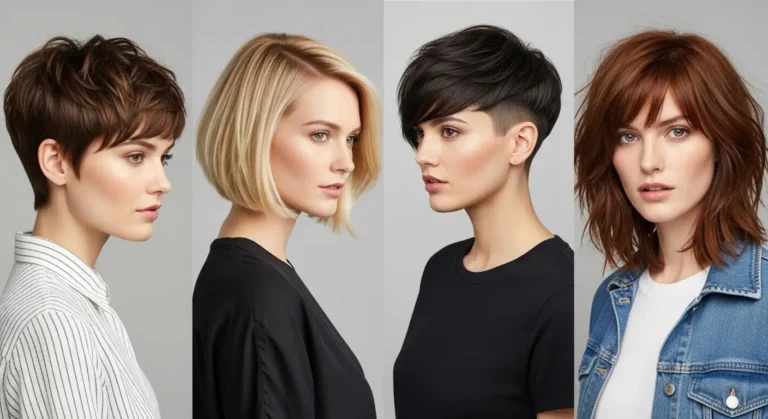
Short pixie cuts are popular among women over 60 because they are practical, lightweight, and easy to personalize. A well-shaped pixie can add lift to fine hair, remove heaviness from thick strands, highlight natural gray color, and reduce the time needed for washing and styling.
Pixie cuts are not limited to one fixed shape. Some versions are neat and tapered, while others are soft, feathered, curly, textured, or longer around the face. Small changes to the fringe, crown, sides, and neckline can make the haircut feel classic, modern, elegant, or playful.
The best style depends on your natural texture, hair density, face shape, glasses, hairline, and preferred maintenance routine. A haircut that works with your natural growth pattern will usually be easier to manage than one that requires daily straightening or heavy product.
This guide covers 17 short pixie cuts for women over 60 that are easy to style. You will also learn how to choose a flattering pixie for your face shape and hair type, which products to use, how often to schedule trims, and what to discuss with your stylist before making the cut.
Quick Answer
The easiest pixie cuts for women over 60 include tapered pixies, soft layered crops, feathered styles, and textured cuts with longer tops.
Fine hair often benefits from crown lift and fuller edges, while thick hair needs careful internal weight removal.
Choose a fringe and neckline that suit your face shape, glasses, hairline, and daily routine.
Most pixie cuts need only lightweight product and regular trims to remain neat and manageable.
Table of Contents
- Best Short Pixie Cuts for Women Over 60
- How to Choose a Pixie Cut for Your Face Shape
- How to Choose a Pixie Cut for Your Hair Type
- Styling and Maintenance Tips
- Short Pixie Cut Comparison Table
- Common Mistakes to Avoid
- Frequently Asked Questions
- Conclusion
Best Short Pixie Cuts for Women Over 60 That Are Easy to Style
Classic Tapered Pixie Cut

The classic tapered pixie is short around the ears and neckline, with slightly more length through the crown and top. The gradual taper creates a clean outline without making the haircut look severe. It works because the shorter lower sections support the longer hair above, helping the crown appear lifted and balanced. The style feels polished, timeless, and suitable for casual days, professional settings, and special occasions.
This cut suits straight, softly wavy, fine, and medium-density hair. Maintenance is moderate because the neckline and sides usually need trimming every four to six weeks. Apply a small amount of lightweight styling cream, then use your fingers to lift the crown or smooth the surface. Ask your stylist for a softly tapered neckline, blended sides, and enough length on top to create movement. Mention whether you want the ears completely visible or partly covered by soft side pieces.
Soft Layered Pixie
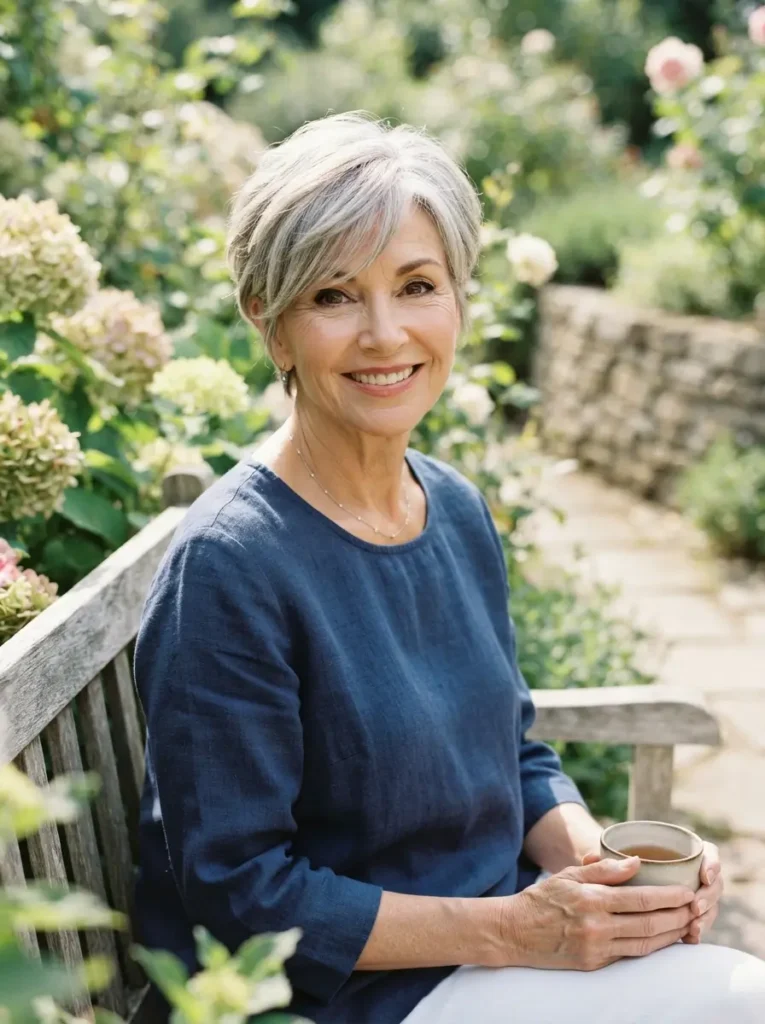
A soft layered pixie uses gentle, connected layers to create movement without producing a choppy or spiky finish. The top remains slightly longer, while the sides and back are shaped closely but not cut extremely short. The layers can make the hair look fuller and prevent the haircut from sitting flat against the head. This version has a feminine, relaxed appearance and can be worn smooth, slightly tousled, or softly brushed away from the face.
The style suits fine, straight, wavy, and medium-textured hair. Maintenance is moderate, with reshaping often needed every five to seven weeks. Use lightweight mousse at the roots and a small amount of styling cream through the ends. Avoid coating the hair with heavy wax, which may separate delicate strands too strongly. Ask your stylist for soft crown layers, blended edges, and a fringe that can be worn forward or to the side. Preserve fullness around areas where density is naturally lower.
Textured Pixie Crop
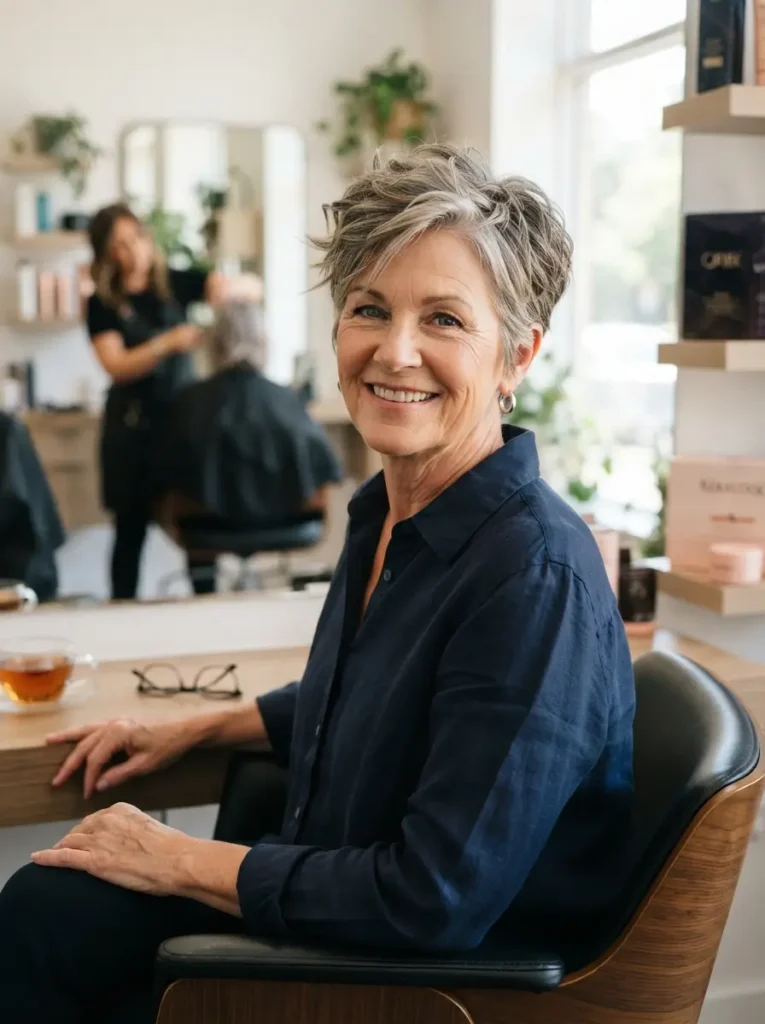
The textured pixie crop features short, separated layers that create definition and natural movement. The crown and top usually contain enough length for the hair to be styled in different directions, while the sides remain neat and controlled. This haircut works well because intentional texture can make the hair appear more dimensional. It feels modern and energetic without requiring complicated styling or a perfectly smooth finish.
This cut suits straight, wavy, fine, medium, and thick hair when the texture is customized carefully. Maintenance is medium to high because the short shape may need trimming every four to six weeks. Rub a pea-sized amount of matte paste or texture cream between your hands, then apply it to selected sections. Avoid using product on every strand. Ask your stylist for piecey movement on top, a soft neckline, and enough length to prevent the style from looking overly cropped. Thick hair may need internal weight removal.
Pixie Cut with Side-Swept Bangs

A pixie cut with side-swept bangs keeps the fringe longer so it can move diagonally across the forehead. The soft direction helps frame the eyes and cheekbones while adding movement to the front of the haircut. The rest of the pixie may be tapered, layered, or lightly textured. This style works because the longer fringe offers softness and flexibility, making a short cut feel less exposed around the forehead.
This pixie suits straight, wavy, fine, and medium-density hair. It can also work well for women who wear glasses because the fringe can be shaped around the frames. Maintenance is moderate, with bang trims usually required every four to six weeks. Blow-dry the fringe sideways using a small brush, then finish with flexible hairspray. Ask your stylist to keep the bangs long enough to sweep naturally and blend them into the side layers. Mention any cowlicks so the direction works with your natural growth pattern.
Feathered Pixie Cut

The feathered pixie uses light, airy layers that sweep away from the face and create gentle movement through the crown. The ends are softened rather than cut into heavy, blunt sections. This gives the haircut an elegant, lifted appearance without requiring strong teasing or stiff hairspray. A feathered finish can also make short hair feel more flexible and less structured than a traditional cropped pixie.
This haircut suits straight, fine, softly wavy, and mature hair that needs light movement. Maintenance is moderate because the feathered sections usually need reshaping every five to seven weeks. Apply root-lifting spray before blow-drying with a small round brush. Direct the top and side layers away from the face, then finish with a light mist of flexible hold spray. Ask your stylist for soft feathering rather than dramatic thinning. Keep enough weight around the outline so the hair does not appear wispy or fragile.
Curly Pixie Cut

A curly pixie cut keeps the sides and back controlled while allowing natural curls to remain fuller through the crown and top. The shorter length removes weight, helping curls spring upward and form a lively, balanced shape. This style celebrates natural texture instead of hiding it. Depending on the curl pattern, the finish may look soft and rounded, defined and compact, or slightly tousled.
This cut suits naturally curly and coily hair with fine, medium, or thick density. Maintenance is moderate because the shape should be checked every six to eight weeks. Apply leave-in conditioner and a small amount of curl cream to damp hair, then air-dry or diffuse gently. Ask your stylist to account for shrinkage and cut according to your natural curl pattern. Avoid excessive thinning shears, which may create frizz. Discuss how much volume you want around the crown, sides, and forehead.
Wavy Pixie Cut

The wavy pixie allows natural bends and soft waves to create movement through the top and sides. The haircut is usually longer than a traditional crop, giving the wave pattern enough space to form. Shorter sections at the back keep the shape neat, while longer pieces near the crown create softness. The result feels relaxed and modern, making it ideal for women who prefer an easy, slightly undone style.
This pixie suits naturally wavy hair and straight hair that develops gentle bends when air-dried. Maintenance is moderate, with trims every six to eight weeks. Apply a lightweight mousse or wave-enhancing cream, then scrunch the hair and allow it to dry naturally. A diffuser can add lift at the roots. Ask your stylist for a longer top, soft side layers, and enough length to support the natural wave pattern. Avoid overly short crown layers, which may create unwanted puffiness.
Pixie Bob
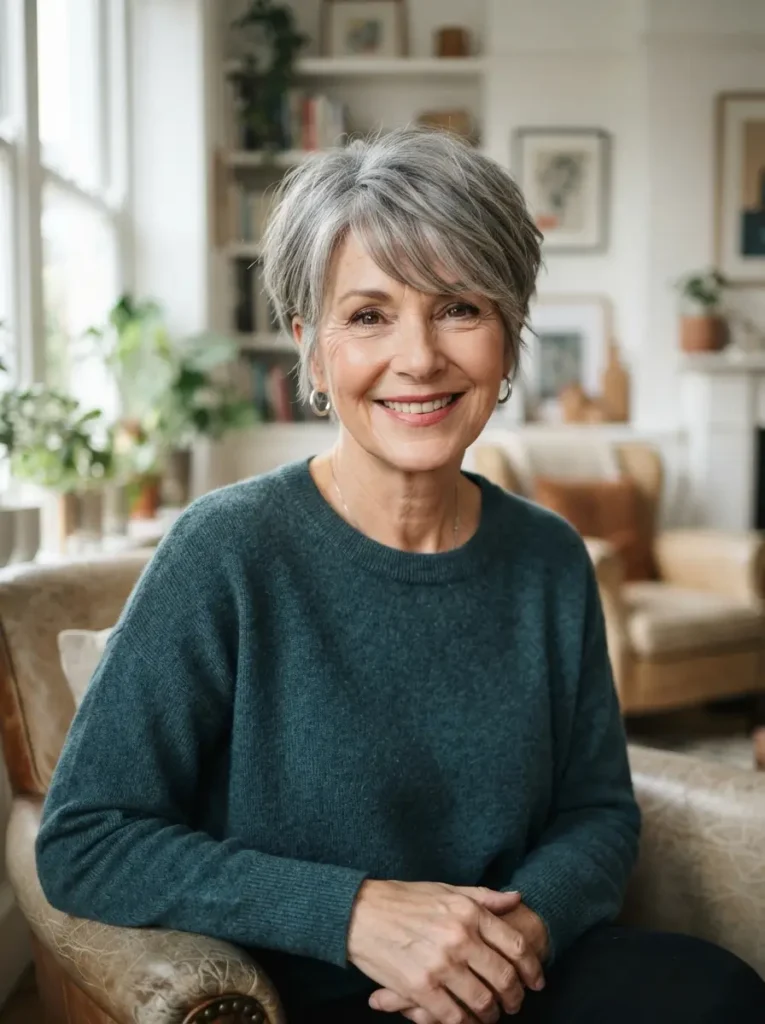
The pixie bob combines the short structure of a pixie with the softer length of a bob. It is usually longer around the ears, sides, and nape, while the crown contains shorter layers for shape and volume. This style works well for women who want shorter hair without choosing a very close crop. The added length creates movement and allows the hair to be tucked behind the ears or styled with a side part.
The pixie bob suits straight, wavy, fine, medium, and thick hair. Maintenance is moderate because it generally needs trimming every six to eight weeks. Use lightweight volumizing foam at the roots and smoothing cream through the ends. Ask your stylist for blended crown layers, soft side pieces, and a neckline that does not feel too short. Fine hair should keep fullness around the perimeter, while thick hair may need hidden internal shaping to prevent bulk.
Asymmetrical Pixie Cut
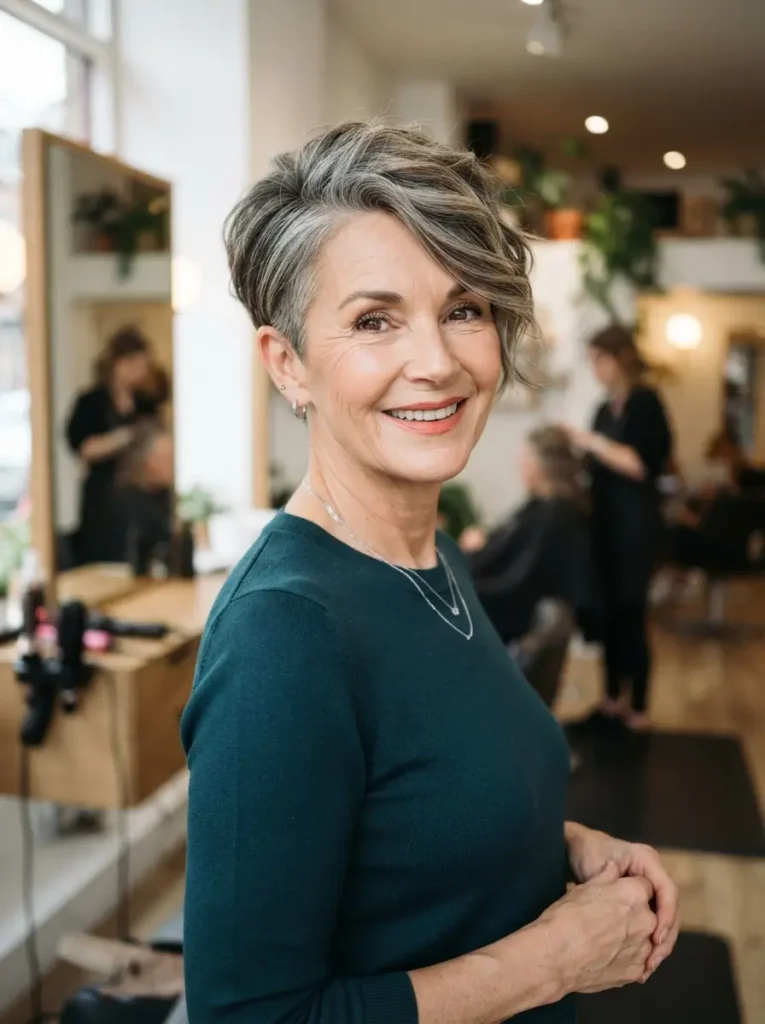
An asymmetrical pixie is longer on one side, creating a modern shape with diagonal movement. The shorter side may be tucked behind the ear or closely tapered, while the longer section frames the forehead and cheek. The difference can be subtle or bold. This style creates visual interest even when the hair is styled simply, making it a confident option for women who want something distinctive.
This haircut suits straight, wavy, fine, and medium-density hair. Maintenance is medium to high because the uneven shape must remain intentional. Use a lightweight smoothing cream for a polished finish or texture paste for more separation. Ask your stylist to customize the length difference according to your comfort level. Bring reference photos showing the front and side views. Make sure the longer section works with your glasses, hairline, and preferred parting rather than falling into your eyes.
Spiky Textured Pixie
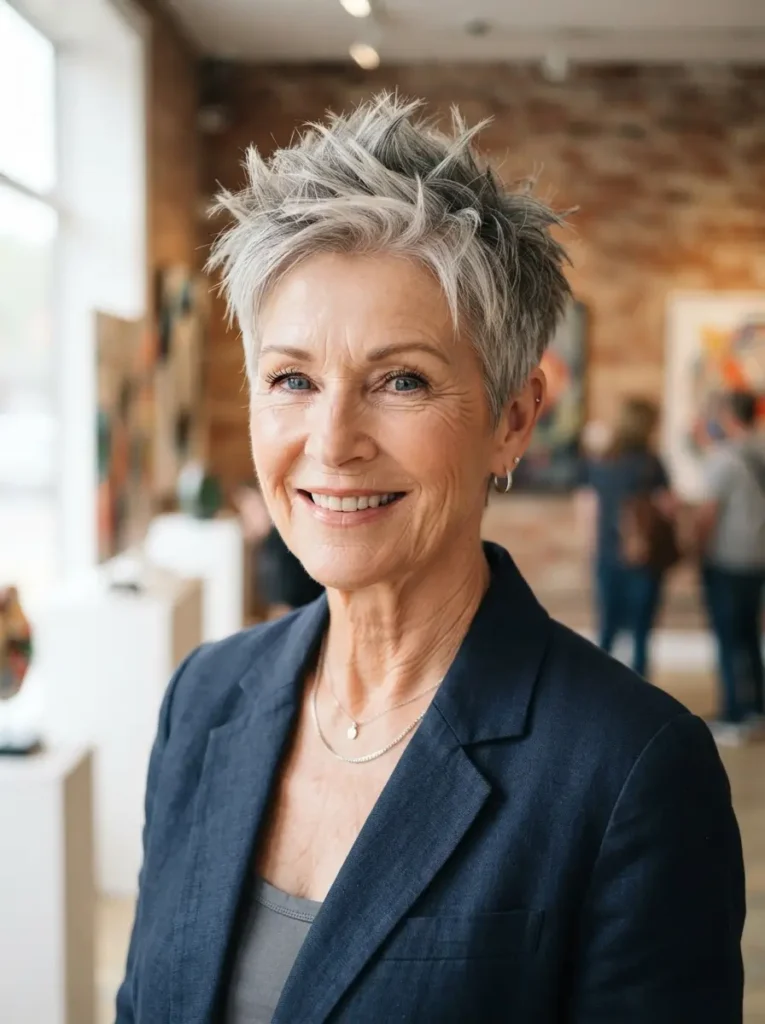
A spiky textured pixie uses short layers through the crown and top to create lift, separation, and playful movement. The spikes can be subtle and soft rather than stiff or dramatic. This haircut adds personality and can make fine or flat hair appear more energetic. The short shape also keeps the neck and face open, creating a confident, contemporary appearance.
This cut suits straight, fine, medium, and thick hair that holds texture well. Maintenance is medium to high because the short layers need frequent reshaping. Apply a small amount of matte paste or styling clay to dry hair, then lift selected sections with your fingertips. Avoid heavy gel, which may make the style feel hard or greasy. Ask your stylist for short crown texture, neat sides, and a soft fringe. If your hair is fine, request enough fullness around the scalp to prevent thin areas from becoming visible.
Long-Top Pixie with Short Sides

The long-top pixie keeps the sides and back short while preserving more length through the crown and fringe. This contrast creates height and gives you several styling options. The top can be brushed forward, swept sideways, lifted at the roots, or styled into soft waves. The haircut feels modern and flexible while remaining easier to wash and dry than a longer style.
This pixie suits straight, wavy, fine, medium, and thick hair. Maintenance is moderate because the sides may need trimming every four to six weeks, while the top can grow slightly longer. Use root-lifting spray and a small round brush for volume, or apply texture cream for a softer finish. Ask your stylist to leave enough top length for your preferred styling method. Discuss how closely you want the sides cut and whether you prefer a soft taper or a more noticeable contrast.
Wispy Pixie for Fine Hair

A wispy pixie for fine hair uses soft, delicate pieces around the forehead, temples, and ears while maintaining strategic fullness through the crown. The layers are light but not aggressively thinned. This balance allows the haircut to move naturally without making the ends appear weak. The finished style feels airy, feminine, and easy to manage, especially when the hair is naturally soft or lightweight.
This pixie is designed for fine strands and low-to-medium density. Maintenance is moderate because regular trims keep the ends looking healthy. Use lightweight mousse or root spray, then dry the hair with your fingers rather than applying heavy pressure with a brush. A small amount of dry shampoo can add grip between washes. Ask your stylist to preserve density around the perimeter, avoid excessive thinning shears, and place shorter layers only where lift is needed. Keep the fringe soft but not overly sparse.
Voluminous Crown Pixie

The voluminous crown pixie creates lift around the upper back and top of the head while keeping the sides neat. The shape can make the haircut appear fuller from several angles and prevent the crown from looking flat. Soft graduation beneath the longer top sections provides support without creating an exaggerated stacked effect. The result is polished, balanced, and especially attractive when styled with gentle movement.
This haircut suits fine, straight, wavy, and medium-density hair that lacks natural crown volume. Maintenance is moderate, with reshaping usually needed every five to seven weeks. Apply root-lifting mousse near the crown, then blow-dry the hair upward with a small round brush. Ask your stylist for controlled crown layers, soft graduation, and blended sides. Avoid very short top layers if your hair tends to stand upright. The volume should look natural and movable rather than stiff or overly rounded.
Pixie Cut with a Tapered Nape

A pixie with a tapered nape gradually becomes shorter toward the neckline, creating a clean and comfortable finish. The upper sections may remain soft, layered, or textured, while the lower back stays neat. This haircut works well for women who dislike hair resting on the neck or want a style that looks tidy from behind. The tapered shape also gives the crown a lifted appearance.
This cut suits straight, wavy, fine, medium, and thick hair. Maintenance is medium to high because the neckline may need trimming every four to six weeks. Use a small amount of styling cream to smooth the taper and add texture to the top. Ask your stylist for a soft, blended nape rather than a harsh clipper line unless you prefer a sharper finish. Discuss whether you want the neckline rounded, softly pointed, or naturally tapered according to your growth pattern.
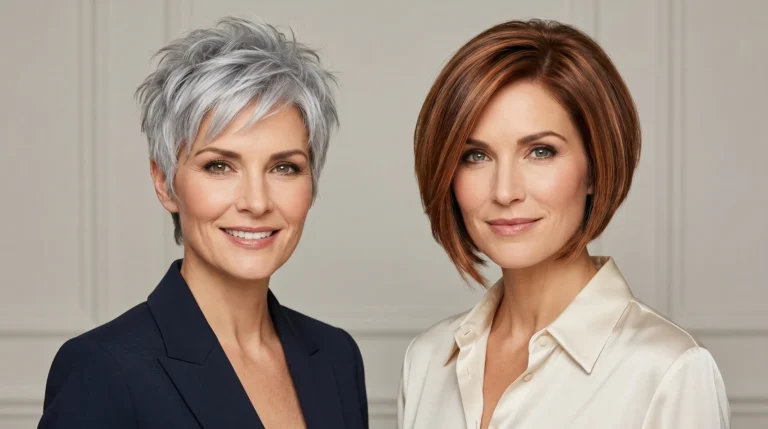
Natural Gray and Silver Pixie

A natural gray and silver pixie highlights the dimension already present in white, gray, and salt-and-pepper hair. Short layers allow different tones to catch the light, creating visible texture without additional coloring. The haircut may be tapered, feathered, textured, or softly rounded. This style feels confident and modern while keeping the natural color easy to maintain.
This pixie suits naturally gray hair with straight, wavy, curly, fine, or thick textures. Maintenance depends on the shape, but trims are usually needed every four to seven weeks. Use a moisturizing shampoo and lightweight conditioner to prevent the hair from feeling rough. Purple shampoo can be used occasionally when unwanted yellow tones appear. Ask your stylist to place layers where the natural color variation is most attractive. Avoid excessive thinning if gray hair has become finer or more fragile.
Glasses-Friendly Pixie with Soft Fringe

A glasses-friendly pixie uses a soft fringe and carefully shaped side sections that work around the frames. The bangs may sit above the brows, sweep sideways, or separate into light pieces. The hair near the ears is kept neat enough to prevent crowding while still maintaining softness. This haircut frames the eyes without competing with the glasses and can make both features feel balanced.
This style suits straight, wavy, fine, and medium-density hair. Maintenance is moderate because the fringe and area around the ears need regular shaping. Bring your everyday glasses to the appointment so your stylist can see how the hair and frames interact. Use lightweight styling cream to control the fringe without making it stiff. Ask for side pieces that sit comfortably above or around the arms of the glasses. The fringe should remain easy to move and should not constantly fall onto the lenses.
Wash-and-Wear Pixie Cut
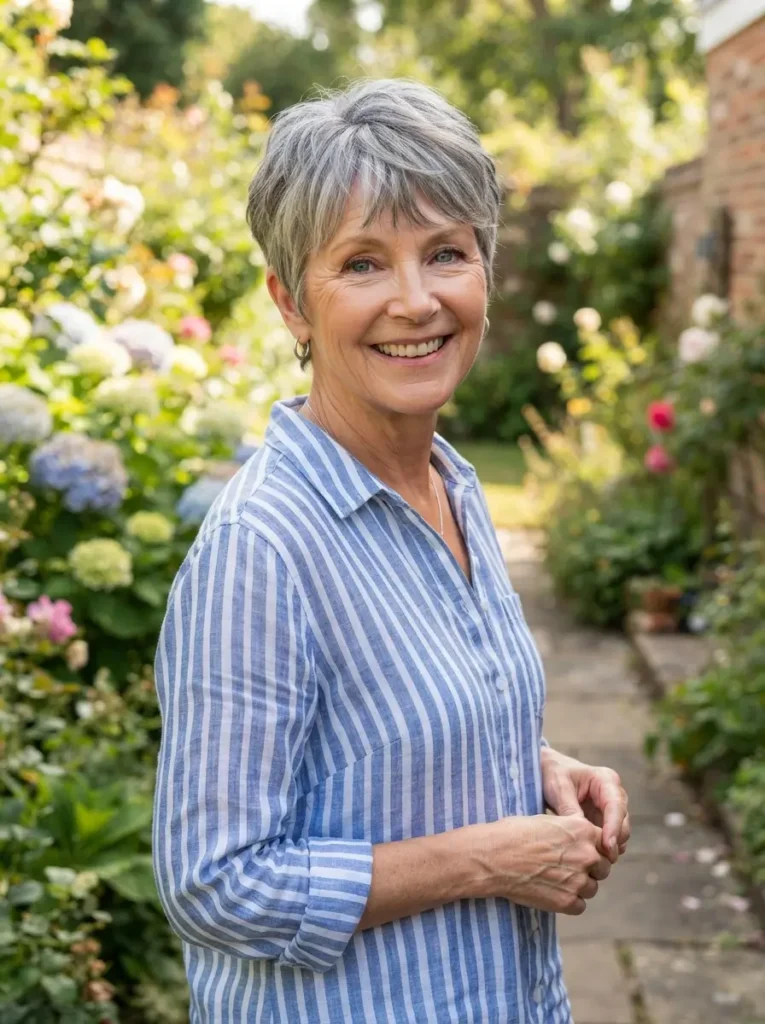
A wash-and-wear pixie is designed to follow the hair’s natural direction with minimal daily effort. The layers are placed according to growth patterns, crown movement, and natural texture. The haircut may look softly tousled, gently rounded, or neatly tapered after air-drying. Its main advantage is practicality, as it does not depend on complicated blow-drying, curling, or straightening.
This style suits women who prefer a simple routine and works with straight, wavy, curly, fine, or medium-textured hair. Maintenance is moderate because the haircut itself must remain well-shaped. Apply a small amount of leave-in product or styling cream to damp hair, then arrange it with your fingers and let it dry. Ask your stylist to create a shape that works without heat and to demonstrate the easiest styling method. Explain exactly how much time you are willing to spend on your hair each morning.
How to Choose the Best Short Pixie Cut for Your Face Shape
Face shape can help guide the fringe, crown height, side length, and overall balance of a pixie cut. These suggestions are flexible, and your hairstyle should still reflect your comfort and personal taste.
Women with round faces may prefer height through the crown and slightly longer sections around the front. A side-swept fringe, textured top, or long-top pixie can create vertical movement. Keeping the sides fairly neat may prevent the haircut from adding unnecessary width near the cheeks.
Oval faces can usually wear most pixie styles. Tapered, feathered, curly, asymmetrical, and textured cuts can all work well. Focus on your natural texture, glasses, and styling preferences rather than following strict face-shape rules.
Square faces often look balanced with soft layers, wispy edges, and side-swept bangs. These details can soften a strong jawline. Avoid creating a very rigid, flat shape around the sides unless you enjoy a sharper appearance.
Heart-shaped faces may benefit from softness around the forehead and ears. Side-swept bangs, feathered layers, and pixie bobs can balance a wider forehead and narrower chin. Avoid placing all the volume directly at the crown without enough softness around the lower sides.
Long or rectangular faces often suit pixies with side volume, soft bangs, and moderate crown height. A fringe can visually reduce the length of the forehead. Extremely high volume with closely cropped sides may make the face appear longer.
Diamond-shaped faces can be balanced with softness around the forehead and temples. A side fringe, pixie bob, or layered crop can complement prominent cheekbones. Avoid placing maximum width directly at the cheekbone level if you want a more balanced shape.
Also consider your neck length, hairline, earrings, and glasses. Bring front, side, and back photographs to your appointment so your stylist can customize the haircut rather than copying one image exactly.
How to Choose the Best Short Pixie Cut for Your Hair Type
Straight hair displays every part of a pixie clearly. Blended layers, tapered edges, and accurate cutting are important because uneven sections are more visible. Fine straight hair often benefits from crown lift and a stronger perimeter, while thick straight hair may require hidden internal weight removal.
Wavy hair works naturally with longer pixie cuts, pixie bobs, and soft layered crops. The reduced length can encourage movement, but overly short layers may create puffiness. Ask your stylist to consider how the waves change after drying.
Curly hair needs a pixie shape that accounts for shrinkage and individual curl patterns. Longer curls through the top can create softness, while tapered sides keep the outline controlled. Avoid cutting the hair too short while wet because it may rise significantly after drying.
Thick hair usually needs internal shaping so the pixie does not become bulky. Short sides, hidden layers, and a controlled crown can make dense hair easier to manage. Excessive surface thinning may create frizz or short pieces that stick out.
Thin hair benefits from a full-looking outline and strategic layering. Avoid removing too much density around the crown, temples, or fringe. Soft pixies, tapered cuts, and longer tops can create the appearance of greater fullness.
Fine hair describes strand thickness rather than overall density. Fine strands can become flat or easily weighed down by product. Use lightweight mousse, root spray, and small amounts of texture cream. Avoid thick waxes, heavy oils, and dense conditioners near the scalp.
A good pixie should work with your natural growth patterns. Tell your stylist whether your hair lies flat, develops cowlicks, curls around the ears, or separates at the crown. These details are essential for an easy-to-style result.
Styling and Maintenance Tips
- Choose lightweight products that provide control without making short hair greasy or stiff.
- Use root-lifting mousse or spray when fine hair needs more height through the crown.
- Apply texture cream or matte paste to selected pieces rather than covering every strand.
- Use smoothing cream on coarse, thick, or frizz-prone hair.
- Apply curl cream or light gel to naturally curly and coily pixie cuts.
- Begin with a pea-sized amount of product and add more only when necessary.
- Wash according to your scalp condition rather than following a fixed schedule.
- Use a gentle shampoo when natural gray or chemically treated hair feels dry.
- Apply conditioner mainly to the longer top sections if the roots become flat easily.
- Use a clarifying shampoo occasionally when wax, mousse, or hairspray begins to build up.
- Trim closely tapered pixies every four to six weeks.
- Longer pixies and pixie bobs may remain balanced for six to eight weeks.
- Ask whether your salon offers quick fringe or neckline trims between full appointments.
- Use a small round brush when you want lift through the crown or fringe.
- Blow-dry with your fingers for a softer, less structured finish.
- Apply heat protectant before using a dryer, flat iron, or small curling tool.
- Keep heat at the lowest effective temperature, especially on fine or gray hair.
- Dry the roots in the opposite direction from your usual part to create extra lift.
- Avoid pulling or pressing the hair flat while it is drying.
- Use flexible hairspray instead of heavy lacquer when you want touchable hold.
- Refresh flat roots with a small amount of dry shampoo.
- Sleep on a satin or silk pillowcase to reduce friction and flattened sections.
- Wet and restyle only the areas that need attention instead of washing every morning.
- Protect silver and gray hair from strong sun exposure when possible.
- Take photos when your haircut looks ideal so the shape can be recreated later.
- Bring your glasses to salon appointments if you wear them every day.
- Ask your stylist to demonstrate a two-minute styling routine before you leave.
Comparison Table
| Hairstyle | Best For | Hair Type | Maintenance | Styling Product |
| Classic Tapered Pixie | Timeless neat shape | Straight, wavy, fine | Moderate | Styling cream |
| Soft Layered Pixie | Gentle movement | Fine, straight, wavy | Moderate | Lightweight mousse |
| Textured Pixie Crop | Modern definition | Straight, wavy, thick | Medium to high | Matte paste |
| Pixie with Side-Swept Bangs | Soft facial framing | Straight, wavy | Moderate | Flexible hairspray |
| Feathered Pixie | Airy crown volume | Fine, straight | Moderate | Root-lifting spray |
| Curly Pixie | Natural curl definition | Curly, coily | Moderate | Curl cream |
| Wavy Pixie | Relaxed natural texture | Wavy, fine, medium | Moderate | Wave mousse |
| Pixie Bob | More length and flexibility | Straight, wavy, thick | Moderate | Smoothing cream |
| Asymmetrical Pixie | Distinctive modern style | Straight, wavy | Medium to high | Texture cream |
| Spiky Textured Pixie | Playful crown lift | Fine, straight, thick | Medium to high | Styling clay |
| Long-Top Pixie | Multiple styling options | Most hair types | Moderate | Root spray |
| Wispy Pixie | Soft fine-hair shape | Fine, thin | Moderate | Lightweight foam |
| Voluminous Crown Pixie | Lift at the top | Fine, straight, wavy | Moderate | Root mousse |
| Tapered Nape Pixie | Clean neckline | Straight, wavy, thick | Medium to high | Styling cream |
| Gray and Silver Pixie | Natural color dimension | Gray, fine, thick | Moderate | Moisturizing serum |
| Glasses-Friendly Pixie | Balanced fringe and frames | Straight, wavy, fine | Moderate | Light styling cream |
| Wash-and-Wear Pixie | Minimal daily styling | Most hair types | Moderate | Leave-in cream |
Common Mistakes to Avoid
Choosing a Pixie Only Because It Is Trending
A popular pixie may look attractive in a photograph but may not suit your texture, growth patterns, or maintenance preferences. A very short crop may need appointments every four weeks, while a longer pixie bob grows out more gently. Select a style that fits your routine instead of following a trend without adjustment.
Ignoring Your Natural Hair Texture
Straight, wavy, curly, thick, and fine hair behave differently in short cuts. A layer that lies smoothly on straight hair may spring outward on curls. Your stylist should evaluate texture, density, cowlicks, and crown direction before cutting.
Cutting the Crown Too Short
Very short crown layers may stand upright, expose thin areas, or become difficult to control. This can be especially noticeable on fine or wavy hair. Ask your stylist to leave enough length for movement and natural coverage.
Removing Too Much Hair from Fine Areas
Aggressive thinning can make the scalp more visible around the temples, crown, or fringe. Fine and thinning hair usually needs strategic layers and fuller edges. Explain which areas need extra coverage before the haircut begins.
Leaving Too Much Weight in Thick Hair
Thick hair can become bulky around the sides and crown when internal weight is not removed. A pixie should feel light but still maintain a smooth outer shape. Ask for controlled internal shaping instead of excessive surface thinning.
Using Too Much Styling Product
Short hair usually requires less product than expected. Heavy wax, gel, oil, or hairspray can make a pixie look greasy, separated, or stiff. Begin with a very small amount and add more only where control is needed.
Choosing Bangs Without Considering Glasses
A fringe may press against the frames, fall onto the lenses, or become uncomfortable around the temples. Bring your glasses to the appointment and ask the stylist to shape the bangs and side pieces around them.
Ignoring the Neckline
The back of a pixie is visible and plays an important role in the overall shape. A rounded, tapered, or softly pointed neckline can produce different effects. Show your stylist how neat or natural you want the back to look.
Not Showing Reference Photos
Words such as short, feathered, soft, tapered, and textured can mean different things to different people. Bring photos showing the front, sides, back, fringe, and neckline. Choose examples with hair similar to your texture and density when possible.
Expecting a Pixie to Maintain Itself
Pixie cuts are quick to style, but they need regular trimming to preserve their shape. The ears, neckline, and crown can become heavy as the hair grows. Plan your salon schedule before choosing a very precise cut.
Frequently Asked Questions
What is the easiest pixie cut to maintain for women over 60?
A soft tapered pixie or longer wash-and-wear pixie is usually easy to manage. These cuts work with natural growth patterns and require only light styling product. Regular trims keep the outline neat and reduce daily effort.
Do pixie cuts work well for fine hair over 60?
Pixie cuts can give fine hair more lift by removing weight and adding strategic crown layers. A fuller perimeter helps prevent the ends from looking sparse. Avoid excessive thinning around the temples, fringe, and crown.
Which pixie cut is best for thick hair?
A textured pixie, tapered cut, or long-top pixie can work well for thick hair. Internal weight removal helps prevent bulk without weakening the outer shape. The sides and neckline should be customized to your natural density.
Can women with curly hair wear a pixie cut?
Curly hair can look beautiful in a pixie when the haircut accounts for shrinkage and curl direction. Longer curls through the top create softness, while shorter sides control the shape. Curl cream and gentle drying usually provide enough definition.
How often should a pixie cut be trimmed?
Closely tapered pixies often need trimming every four to six weeks. Longer layered pixies and pixie bobs may last six to eight weeks. The ideal schedule depends on your growth rate and preferred level of neatness.
Are pixie cuts suitable for women who wear glasses?
Pixie cuts can complement glasses because they keep the face open and highlight the eyes. The fringe and side sections should be shaped around the frames. Bring your glasses to the salon so the stylist can adjust the haircut accurately.
What styling products are best for a pixie cut?
Fine hair usually benefits from root mousse, lightweight foam, or texture spray. Thick hair may need smoothing cream, while curly hair often needs leave-in conditioner and curl cream. Use small amounts to preserve natural movement.
Can a pixie cut be styled without heat?
Many pixie cuts can be air-dried when the layers follow the natural growth pattern. Apply a small amount of leave-in cream or mousse, then shape the hair with your fingers. A wash-and-wear pixie is designed specifically for minimal heat styling.
Does a pixie cut require daily washing?
Most pixie cuts do not need daily shampooing unless the scalp becomes oily quickly. Dry shampoo or a quick water refresh can restore shape between washes. Overwashing may leave fine, gray, or textured hair feeling dry.
What should I ask my stylist before getting a pixie cut?
Discuss your texture, density, cowlicks, glasses, hairline, and daily styling routine. Show photographs of the fringe, sides, crown, and neckline you prefer. Ask how the cut will grow out and how often it will need trimming.
Conclusion
Short pixie cuts for women over 60 can be practical, stylish, and easy to personalize. A classic tapered pixie provides a neat shape, while feathered, textured, curly, and asymmetrical versions offer more movement and individuality. A pixie bob is another useful option when you want softness and extra length around the face.
The best haircut depends on your natural texture, density, face shape, hairline, glasses, and maintenance preferences. Fine hair often benefits from strategic crown lift and fuller edges. Thick hair usually needs controlled internal weight removal, while curly hair requires careful planning for shrinkage.
Bring several reference photos to your appointment and include images of the front, sides, back, and neckline. Explain how much time you want to spend styling and whether you usually air-dry or use a blow-dryer. Your stylist can then adjust the length and layering to support your real routine.
A well-designed pixie should feel comfortable and manageable on ordinary days, not only after professional salon styling. With the right shape, lightweight products, and regular trims, short hair can remain fresh, balanced, and easy to wear at any age.