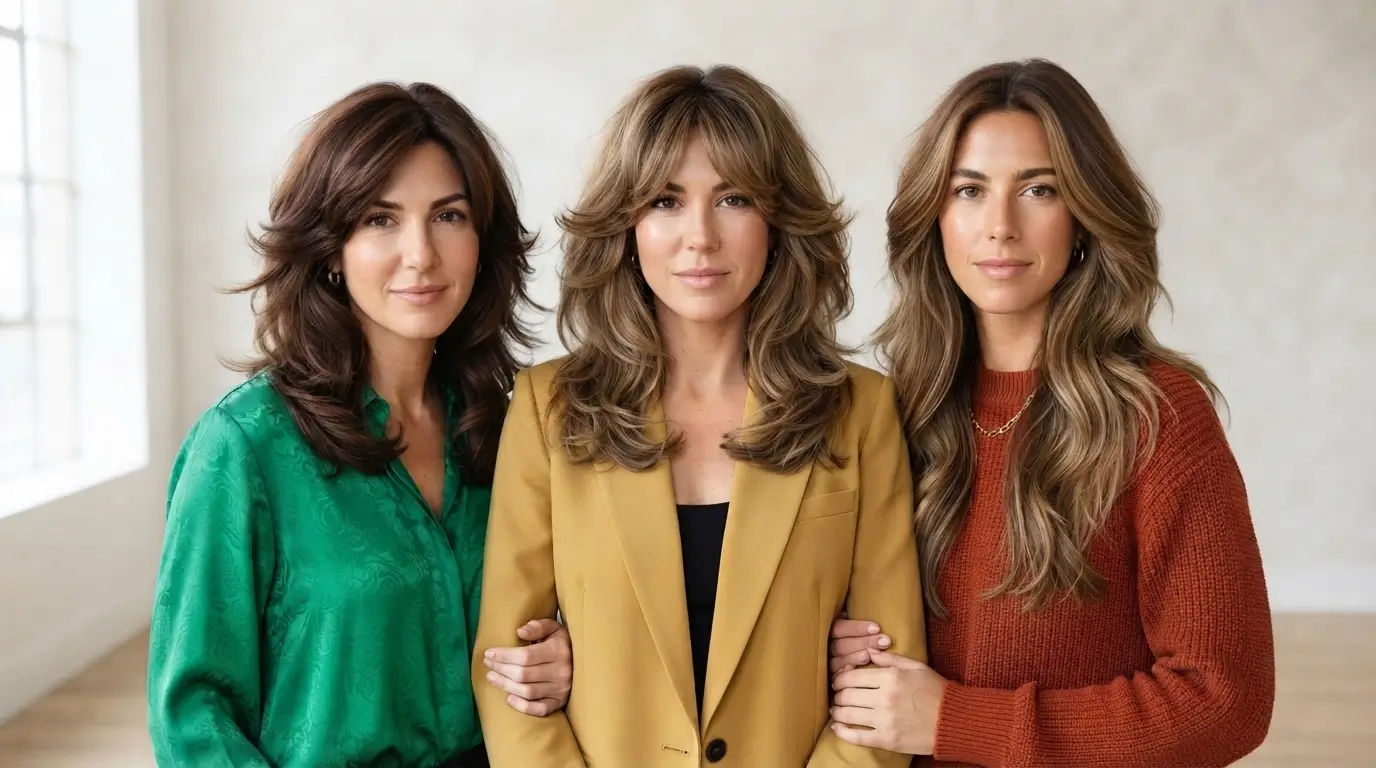
Layered Haircut for Women Ideas That Add Shape and Volume
Layered haircuts remain popular because they can completely change the way hair moves, falls, and frames the face. Well-placed layers can give flat hair more lift, remove heaviness from thick strands, improve curl definition, and make long hair feel lighter without sacrificing too much length. Layered Haircut for Women
These haircuts work for women of every age and can be adjusted for short, medium, or long hair. The right result depends on your natural texture, overall density, face shape, lifestyle, and preferred styling routine. Some layered cuts create dramatic movement, while others use subtle internal shaping that is barely visible.
Layers can also help solve common styling concerns. They may prevent thick hair from looking bulky, give waves more freedom, create volume around the crown, or soften a strong haircut outline. However, the placement and length of the layers must be carefully planned.
In this guide, you will discover 17 layered haircut for women ideas that add shape and volume. You will also learn how to choose layers for your face shape and hair type, maintain your haircut, avoid common mistakes, and explain your preferred result clearly to your stylist.
Quick Answer
The most flattering layered haircuts include face-framing layers, butterfly cuts, layered lobs, soft shags, feathered styles, and rounded curly cuts.
Long layers create movement while preserving length, and shorter layers can add noticeable crown volume.
Fine hair usually needs fewer strategic layers, while thick hair benefits from careful internal weight removal.
Choose the layer placement according to your natural texture, face shape, and realistic daily styling routine.
Table of Contents
- Best Layered Haircut Ideas for Women That Add Shape and Volume
- How to Choose a Layered Haircut for Your Face Shape
- How to Choose a Layered Haircut for Your Hair Type
- Styling and Maintenance Tips
- Layered Haircut Comparison Table
- Common Mistakes to Avoid
- Frequently Asked Questions
- Conclusion
Best Layered Haircut for Women Ideas That Add Shape and Volume
Long Face-Framing Layers
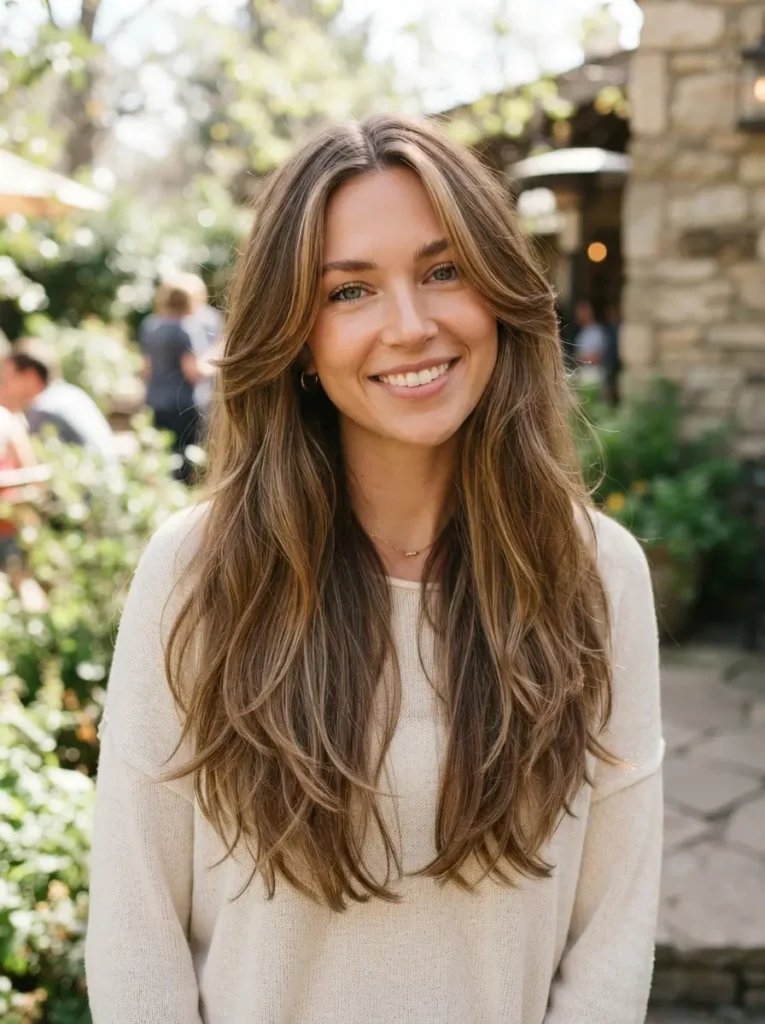
Long face-framing layers begin around the cheekbones, jawline, or collarbone and blend gradually into the remaining length. These pieces create movement near the front without removing too much fullness from the back. The haircut can soften facial features, highlight the eyes, and prevent long hair from hanging in one heavy shape. It looks polished when blow-dried but can also feel relaxed and natural when air-dried. The longer layer placement makes it a gentle introduction for anyone nervous about changing a one-length haircut.
This style suits medium and long hair with straight, wavy, or lightly curly textures. Maintenance is relatively low because the layers grow out softly and usually need reshaping every eight to twelve weeks. Use a round brush to direct the front pieces away from the face or create loose bends with a flat iron. Ask your stylist where the shortest layer should begin and show which facial feature you want to highlight. Fine hair should keep fuller ends, while thick hair may benefit from additional hidden layers through the interior.
Medium-Length Layered Lob

A medium-length layered lob usually falls between the collarbone and shoulders. It offers enough length for ponytails and clips while creating a lighter, more modern shape than a one-length cut. Soft layers through the middle and ends encourage movement and prevent the hair from appearing flat or heavy. The lob can look sleek, softly waved, or naturally tousled, making it suitable for work, casual days, and special occasions. Its balanced length also makes it easier to grow out than a very short bob.
This haircut suits straight, wavy, fine, medium, and thick hair. Maintenance is low to moderate, with trims generally needed every eight to ten weeks. Apply a lightweight mousse before blow-drying or use texture spray to encourage relaxed waves. Fine hair should have limited layering to protect density around the ends. Thick hair may need more internal weight removal to improve movement. Ask your stylist for collarbone-skimming length, blended layers, and face-framing sections that work with your preferred parting. Mention whether you normally air-dry or use hot tools. Layered Haircut for Women
Butterfly Layered Haircut

The butterfly haircut uses shorter, face-framing layers around the front and longer layers through the back. When styled, the upper sections sweep away from the face and create the appearance of soft wings. This structure gives long hair visible movement without making the overall length feel dramatically shorter. It creates volume around the crown, cheekbones, and shoulders while keeping the lower sections flowing. The result feels glamorous, feminine, and full of motion, especially when styled with a rounded blowout.
This haircut suits medium to long hair with enough density to support several layer lengths. It works particularly well on straight, wavy, and thick textures. Maintenance is moderate because the front layers need regular shaping to keep their movement. Use a large round brush, heated rollers, or a blow-dry brush to curve the layers away from the face. Ask your stylist for connected layers rather than short disconnected pieces. Fine hair may need a softer version with fewer sections, while thick hair can support more dramatic graduation and internal shaping.
Soft Layered Shag

A soft layered shag combines crown volume, face-framing pieces, and textured ends without looking overly choppy. The layers are shorter near the top and gradually lengthen through the sides and back. This creates natural lift and allows waves or curls to form more freely. Unlike a very dramatic shag, the softer version keeps the shape wearable and balanced. It offers a relaxed, slightly undone vibe that works well for women who prefer movement rather than a perfectly smooth finish.
This style suits wavy, curly, medium-density, and thick hair. Straight hair can also wear it with light styling for texture. Maintenance is moderate, although the relaxed outline often grows out naturally. Use mousse, curl cream, or texture spray and scrunch the hair while drying. Ask your stylist for soft crown layers, blended face framing, and textured ends without aggressive thinning. If your hair is fine, request fewer short layers so the ends remain full. Women with very thick hair may benefit from hidden internal layers to control bulk. Layered Haircut for Women
Classic Layered Bob

The classic layered bob falls between the jawline and the base of the neck. Subtle layers are added through the interior and ends to create movement without destroying the clean bob shape. This makes the haircut feel softer than a blunt bob while still maintaining a strong outline. It can be styled smooth for a polished appearance or tousled for a modern, casual finish. The layers also prevent thick hair from forming a heavy triangular shape around the jaw.
This haircut suits straight, wavy, fine, medium, and thick hair when the layering is customized correctly. Maintenance is moderate because the shape usually needs trimming every six to eight weeks. Apply smoothing cream for a sleek finish or lightweight mousse for volume. Ask your stylist for a full perimeter with gentle internal layers rather than excessive thinning. Fine hair should keep minimal layering, while thick hair may require more weight removal beneath the surface. Discuss whether you want the front to remain even, slightly longer, or softly angled.
Curtain Bangs with Blended Layers

Curtain bangs with blended layers create a soft frame that opens around the center of the forehead. The shortest pieces usually sit near the cheekbones and gradually connect to longer layers through the sides. This transition prevents the bangs from looking separate from the rest of the haircut. The style draws attention to the eyes, softens the forehead, and adds movement around the front. It can make long or medium hair feel fresher without requiring a major change in overall length.
This haircut works well for straight, wavy, fine, medium, and thick hair. Maintenance is moderate because the bangs may need reshaping every six to eight weeks. Blow-dry them forward first, then use a round brush to sweep them away from the face. Ask your stylist to consider your forehead, cowlicks, and natural parting before choosing the shortest point. Fine hair should use a narrow fringe section to preserve side density. Thick hair can support fuller curtain bangs and more noticeable face-framing layers.
U-Shaped Long Layers

A U-shaped layered haircut keeps the back perimeter curved rather than straight or sharply pointed. The center remains slightly longer, while the sides gradually become shorter, forming a soft U shape. Long layers are then blended through the lower sections to create movement and prevent the hair from appearing heavy. This shape makes long hair look full, balanced, and polished while preserving most of the overall length. It is a useful option for anyone who wants visible movement without a dramatic haircut.
This style suits long, straight, wavy, medium, and thick hair. It can also work for fine hair when the layers remain long, and the perimeter stays strong. Maintenance is relatively low, with trims every ten to twelve weeks. Use a smoothing serum for straight styling or a large curling iron for loose waves. Ask your stylist for a rounded U-shaped outline and long connected layers. Avoid very short crown layers if your goal is fullness through the ends. Thick hair may need extra internal shaping to prevent weight from collecting near the bottom.
V-Shaped Layered Cut

A V-shaped layered cut creates a pointed outline at the center of the back. The sides gradually become shorter, producing a more dramatic shape than a U-cut. Long layers follow the direction of the V, adding movement and making the hair appear longer from behind. This style looks especially attractive when the hair is worn straight, in loose waves, or styled with a smooth blowout. It gives long hair definition without requiring a major change near the face.
This haircut suits long, thick, straight, and wavy hair. It works best when there is enough density to support the pointed center. Maintenance is low to moderate, although the outline should be reshaped every ten to twelve weeks. Use a lightweight oil through the ends to highlight the clean shape. Ask your stylist for a soft V rather than an extreme point if your hair is fine or fragile. Request long connected layers that preserve fullness. Curly hair may need a more rounded version because shrinkage can make a sharp V look uneven.
Choppy Shoulder-Length Layers

Choppy shoulder-length layers create visible texture, separation, and modern movement. The ends are cut at slightly different lengths rather than blended into one smooth line. This gives the haircut an energetic, casual appearance that works especially well with natural bends and waves. The shoulder length keeps the style practical while the textured sections prevent it from looking plain. It can be worn with a center part, side part, or soft fringe.
This haircut suits straight, wavy, medium, and thick hair. Fine hair can also wear a controlled version when the stylist preserves enough weight around the perimeter. Maintenance is moderate, with trims every eight weeks to prevent the ends from becoming uneven or dry. Use dry texture spray or light styling paste to define selected pieces. Ask your stylist for deliberate choppy movement rather than excessive thinning. Explain how much texture you want and whether you normally air-dry. Thick hair may need hidden layers underneath to support the outer shape.
Feathered Layered Haircut
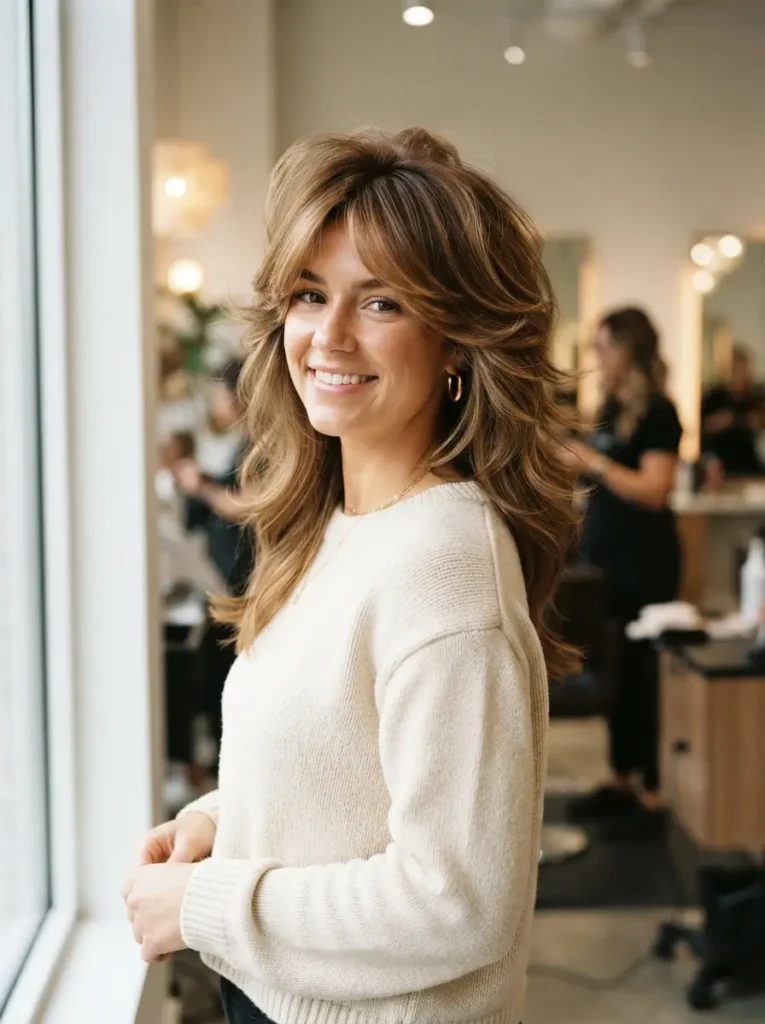
A feathered layered haircut uses light, sweeping sections that move away from the face. The layers are carefully blended to create softness, lift, and an airy finish. Unlike heavy choppy layers, feathering produces a smoother transition between lengths. It can add movement around the cheekbones, crown, and shoulders while keeping the overall haircut elegant. The style looks especially polished with a rounded blowout but can also appear relaxed when softly air-dried.
This haircut suits straight, slightly wavy, fine, medium, and mature hair. It can create the appearance of volume without requiring aggressive teasing. Maintenance is moderate because the layers need regular reshaping every six to ten weeks. Use root-lifting spray and a round brush to direct the sections away from the face. Ask your stylist for soft feathering, blended edges, and enough fullness through the ends. Fine hair should avoid too many short layers, while thick hair can support more noticeable feathering and crown movement.
Rounded Curly Layered Cut
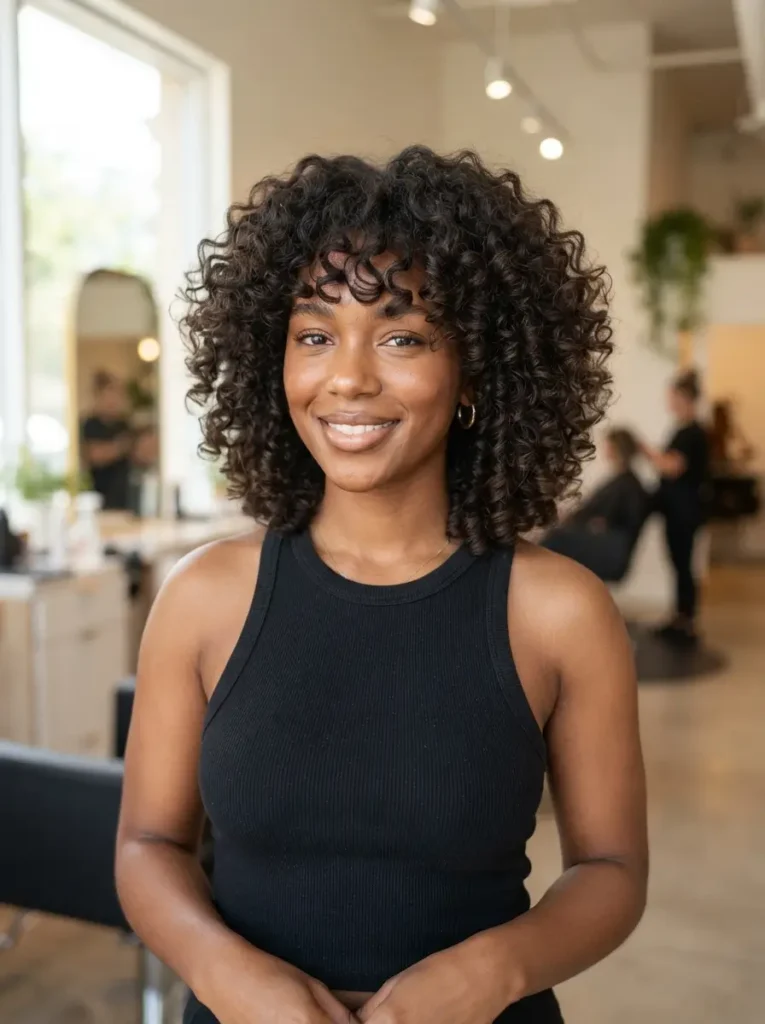
A rounded curly layered cut shapes natural curls into a balanced silhouette with controlled volume around the crown, sides, and ends. The stylist places layers according to the curl pattern rather than following a straight horizontal guide. This prevents the hair from forming a wide triangular shape and helps individual curls spring more freely. The result can look soft, full, and defined without appearing heavy at the bottom. It celebrates natural texture while giving the overall style a clear structure.
This cut suits curly and coily hair of different lengths and densities. Maintenance is moderate, with reshaping appointments often needed every eight to twelve weeks. Apply leave-in conditioner and curl cream to wet hair, then air-dry or diffuse on low heat. Ask your stylist to consider shrinkage, density, and your preferred volume level. Avoid excessive thinning shears or razor cutting, which may create frizz. Bring photos showing the rounded shape you prefer and explain whether you wear your curls naturally most of the time.
Soft Wolf-Inspired Layers

Soft wolf-inspired layers combine crown lift, face framing, and longer textured sections through the back. The style borrows movement from shag and mullet-inspired cuts but keeps the transition smoother and more wearable. Shorter layers create volume around the top, while longer ends preserve length and softness. This makes the haircut look creative and modern without feeling extreme. It works especially well when styled with natural waves, loose bends, or a slightly undone finish.
This haircut suits wavy, straight, medium-density, and thick hair. It can work on curls when the layer placement is adapted to shrinkage. Maintenance is moderate because the crown and front sections need regular shaping. Use mousse or texture spray and allow the natural movement to remain visible. Ask your stylist for a soft, connected wolf shape rather than a heavily disconnected cut. Fine hair should keep more fullness through the lower sections. Thick hair may benefit from stronger internal layers to reduce weight and improve movement.
Volume Layers for Fine Hair

Volume layers for fine hair focus on creating lift without removing too much density. The stylist adds carefully placed layers near the crown and front while keeping the ends relatively full. This prevents the hair from looking thin, feathery, or transparent. The haircut may be short, medium, or long, but the layer count remains controlled. Strategic movement around the top can make the hair appear fuller, while a strong outer perimeter supports the overall shape.
This cut suits fine hair and hair with limited density. Maintenance is moderate because clean, healthy ends help the style look thicker. Schedule trims every six to ten weeks, depending on the length. Use lightweight mousse, root spray, or dry shampoo instead of heavy oils and creams. Ask your stylist to preserve the bottom edge, avoid excessive thinning shears, and add only the layers needed for lift. Mention any areas where your scalp becomes visible so the stylist can avoid removing too much hair from those sections.
Internal Layers for Thick Hair

Internal layers remove weight from beneath the surface while keeping the outer shape smooth and full. The stylist creates shorter hidden sections inside the haircut, allowing the top layers to fall naturally over them. This technique can make thick hair feel lighter, dry faster, and move more freely without producing a heavily feathered appearance. It is especially useful for women who want less bulk but still prefer a polished outline.
This haircut suits thick, dense, coarse, straight, wavy, and curly hair. Maintenance is moderate because the hidden layers gradually become heavier as they grow. Use smoothing cream, lightweight oil, or curl cream according to your texture. Ask your stylist to remove weight internally rather than thinning the visible surface aggressively. Explain where your hair becomes bulky, such as around the sides, crown, or lower back. Curly hair should be shaped carefully to avoid creating short internal pieces that expand unexpectedly after drying.
Short Layered Pixie

A short layered pixie uses different lengths through the top, crown, sides, and fringe to create shape and movement. Longer layers on top can add height, while tapered sides and back keep the haircut neat. The style can look soft and wispy, sleek and polished, or textured and bold. Because the hair is short, the layers become an important part of the overall structure rather than a small detail.
This haircut suits straight, wavy, fine, medium, and thick hair when customized properly. Maintenance is medium to high because the shape usually needs trimming every four to six weeks. Use a small amount of styling cream, matte paste, or root powder. Ask your stylist for enough top length to support your preferred styling options. Fine hair benefits from crown lift and fuller edges, while thick hair may need internal weight removal. Discuss your hairline, cowlicks, and whether you want the ears and neckline exposed.
Collarbone Layers with Soft Ends

Collarbone layers create movement around the shoulders while keeping the haircut long enough for simple updos. The ends are softened and blended rather than cut into dramatic choppy sections. This gives the hair a natural, flowing appearance and allows it to bend easily around the neck and shoulders. The length is practical for women who want noticeable shape without committing to a short bob or heavily layered cut.
This style suits straight, wavy, fine, medium, and thick hair. It is especially useful for women transitioning from long hair to a shorter length. Maintenance is low to moderate, with trims every eight to ten weeks. Use smoothing lotion for a polished finish or light mousse for movement. Ask your stylist for collarbone length, soft internal layers, and a perimeter that remains full. Fine hair should keep longer layers, while thick hair can support more internal shaping. Mention whether you frequently wear ponytails, buns, or clips.
Soft Rounded Layers for Mature Hair

Soft rounded layers create gentle volume around the crown and face while maintaining fullness through the ends. The haircut may be short, medium, or shoulder length, depending on personal preference. Carefully blended sections prevent the hair from appearing flat without creating an overly feathered or dated shape. The rounded silhouette can make the hair look healthy, balanced, and easy to manage. It is elegant enough for professional settings but relaxed enough for daily wear.
This style is particularly helpful for mature, fine, thinning, straight, or softly wavy hair, although women of any age can wear it. Maintenance is moderate, with trims every six to eight weeks. Use lightweight volumizing foam at the roots and a small amount of smoothing serum through the ends. Ask your stylist for subtle crown lift, soft face framing, and a strong perimeter. Avoid excessive thinning or very short layers near areas with reduced density. The haircut should work well even when styled with minimal heat.
How to Choose the Best Layered Haircut for Your Face Shape
Face shape can help guide where your layers begin and where volume should be placed. However, it should not prevent you from wearing a haircut you enjoy. A stylist can adjust almost any layered style to complement your features.
Women with round faces may benefit from layers that create vertical movement. Long face-framing pieces beginning below the cheeks can help lengthen the appearance of the face. Crown volume may also create balance. Avoid placing maximum fullness directly beside the widest part of the cheeks unless you prefer a softer, rounder shape.
Oval faces can usually wear short, medium, or long layers successfully. Butterfly cuts, shags, bobs, and curtain bangs can all work well. Focus on the facial features you want to highlight. Cheekbone-length layers draw attention to the middle of the face, while jaw-length pieces emphasize the lower features.
Square faces often look balanced with soft layers, curved ends, side-swept pieces, and waves. These details can reduce the appearance of a strong jawline. A rigid layer that ends directly at the jaw may create more emphasis, so the shortest point can be placed slightly above or below it.
Heart-shaped faces may benefit from layers that create movement near the jaw and shoulders. Curtain bangs, collarbone layers, and chin-length face framing can balance a wider forehead and narrower chin. Avoid excessive volume concentrated only at the crown.
Long or rectangular faces often suit layers that create width around the cheekbones and sides. Curtain bangs, rounded layers, and medium-length shags can help visually reduce facial length. Extremely high crown volume combined with very long flat sides may make the face appear longer.
Diamond-shaped faces can be flattered by softness around the forehead and jawline. Side-swept fringe, cheekbone layers, and rounded shoulder-length cuts can complement prominent cheekbones. Avoid placing all the volume directly at the widest point of the face.
Consider your glasses, hairline, neck length, and preferred parting before choosing the final layer placement. Bring front, side, and back reference photos so your stylist can customize the shape accurately.
How to Choose the Best Layered Haircut for Your Hair Type
Straight hair shows every layer clearly, so the transitions should be carefully blended. Long face-framing layers, butterfly cuts, feathered styles, and layered bobs work well. Fine straight hair needs fewer layers, while thick straight hair may require hidden internal shaping to prevent heaviness.
Wavy hair naturally benefits from layers because different lengths encourage bends and movement. Shoulder-length shags, collarbone cuts, and soft wolf-inspired styles can enhance the wave pattern. The stylist should consider how much the hair expands after drying before deciding on the shortest layer.
Curly hair needs layers that follow the natural curl pattern. Rounded shaping can improve definition and prevent a triangular outline. Shrinkage must be considered carefully, as a layer that appears long when wet may become much shorter after drying. Avoid standard straight-hair layering without curl-specific adjustments.
Thick hair usually needs weight removed from the interior rather than the visible surface. Internal layers, long graduation, and controlled shaping can make dense hair easier to manage. Excessive thinning on top may create frizz, puffiness, and short pieces that stick out.
Thin hair benefits from a strong outline and limited strategic layering. A few crown or face-framing layers can add movement, but too many sections may make low-density areas more visible. Avoid very heavy bangs if they remove too much hair from the sides.
Fine hair refers to the width of each strand rather than the total number of strands. Fine hair may still be dense, but it can become flat or easily weighed down. Lightweight layers, blunt ends, and shorter shapes can create lift. Heavy oils and thick creams should be used carefully.
The best layered haircut works with your natural pattern after washing. Tell your stylist how often you use heat, whether you air-dry, and how much daily styling you are willing to do.
Styling and Maintenance Tips
- Choose styling products according to your hair texture and density rather than the haircut photograph alone.
- Use lightweight mousse or root-lifting spray to create volume in fine or flat hair.
- Apply smoothing cream or anti-frizz serum to thick, coarse, or dry hair.
- Use curl cream, gel, or mousse to define wavy, curly, and coily layers.
- Begin with a small amount of product and add more only where needed.
- Wash your hair according to your scalp condition and product buildup.
- Apply conditioner mainly through the middle lengths and ends if the roots become oily quickly.
- Use a deep-conditioning treatment when lightened, dry, or curly ends need extra moisture.
- Trim short layered cuts every four to eight weeks to maintain their structure.
- Trim medium and long layers every eight to twelve weeks, depending on their condition.
- Apply heat protectant before blow-drying, straightening, waving, or curling.
- Use the lowest effective heat setting, especially on fine, colored, or fragile hair.
- Blow-dry face-framing layers away from the face for a soft, open shape.
- Use a round brush to add lift through feathered, butterfly, or crown layers.
- Use a diffuser on low heat to protect curl definition and reduce frizz.
- Avoid brushing dry curls unless you want a softer, expanded finish.
- Use dry texture spray to define choppy layers without creating stiffness.
- Avoid applying heavy oil near the roots of fine or flat hair.
- Sleep on a satin or silk pillowcase to reduce friction and tangling.
- Protect long layers overnight with a loose braid or low ponytail.
- Clarify occasionally when mousse, spray, or dry shampoo begins to build up.
- Do not repeatedly place hot tools on the thinnest ends.
- Ask your stylist to show how each section should be dried or styled.
- Save photographs of your haircut when the layer placement looks ideal.
Comparison Table
| Hairstyle | Best For | Hair Type | Maintenance | Styling Product |
| Long Face-Framing Layers | Soft facial framing | Straight, wavy, long | Low | Smoothing serum |
| Medium Layered Lob | Flexible everyday shape | Straight, wavy, thick | Low to moderate | Lightweight mousse |
| Butterfly Haircut | Crown and front volume | Straight, wavy, thick | Moderate | Blow-dry spray |
| Soft Layered Shag | Relaxed movement | Wavy, curly, thick | Moderate | Texture spray |
| Classic Layered Bob | Polished short shape | Straight, wavy | Moderate | Smoothing cream |
| Curtain Bangs with Layers | Soft front framing | Straight, wavy | Moderate | Light styling cream |
| U-Shaped Long Layers | Full long hair | Straight, wavy, thick | Low | Hair oil |
| V-Shaped Layered Cut | Defined back shape | Long, thick, straight | Low to moderate | Shine serum |
| Choppy Shoulder Layers | Modern texture | Straight, wavy, thick | Moderate | Dry texture spray |
| Feathered Layers | Airy movement | Fine, straight, wavy | Moderate | Root-lifting spray |
| Rounded Curly Layers | Balanced curl shape | Curly, coily | Moderate | Curl cream |
| Soft Wolf Layers | Creative volume | Wavy, straight, thick | Moderate | Styling mousse |
| Volume Layers for Fine Hair | Fuller appearance | Fine, thin | Moderate | Root foam |
| Internal Layers for Thick Hair | Reduced bulk | Thick, coarse | Moderate | Anti-frizz cream |
| Short Layered Pixie | Fast short styling | Fine, straight, wavy | Medium to high | Matte paste |
| Collarbone Layers | Easy medium length | Most hair types | Low to moderate | Smoothing lotion |
| Rounded Layers for Mature Hair | Soft crown volume | Fine, straight, wavy | Moderate | Lightweight serum |
Common Mistakes to Avoid
Choosing a Layered Haircut Only Because It Is Trending
A popular haircut may look attractive online but may not suit your natural texture, density, or styling routine. A dramatic butterfly cut may require regular blow-drying, while a shag may need texture products. Choose a layered style that fits your real lifestyle instead of following a trend without adjustments.
Ignoring Your Natural Hair Texture
Straight, wavy, curly, thick, and fine hair respond differently to the same layering technique. A layer that looks soft on straight hair may spring upward on curls. Your stylist should evaluate shrinkage, density, and growth patterns before making the first cut.
Adding Too Many Layers to Fine Hair
Fine hair needs movement, but too many short layers can weaken the ends and make the hair look thin. Strategic crown or front layers are often more effective than aggressive layering throughout. Preserve enough weight around the perimeter for a fuller appearance.
Removing Too Little Weight from Thick Hair
Thick hair can become bulky when the layers only affect the outer surface. Internal weight removal may be needed to create movement and reduce heaviness. Ask your stylist to shape the interior while protecting the smooth outer layer.
Using Too Much Product
Heavy mousse, wax, cream, or oil can flatten layers and make the hair look greasy. Start with a small amount and concentrate it where control is needed. Fine hair usually requires less product, while coarse or curly hair may need more moisture.
Choosing Layers That Are Too Short
Very short layers can create unwanted puffiness, especially in wavy, curly, or thick hair. They may also fall out of ponytails, buns, and braids. Discuss the shortest comfortable layer before the haircut begins.
Not Considering Your Daily Styling Routine
Some layered haircuts look effortless but require regular blow-drying or curling to show their full shape. Tell your stylist whether you air-dry, use hot tools, or prefer wash-and-go styling. The haircut should still look balanced on ordinary days.
Not Showing Reference Photos
Words such as long layers, choppy layers, feathering, and face framing can mean different things to different people. Bring photographs showing the front, back, length, shortest layer, and overall finish. Choose references with a texture similar to your own when possible.
Overusing Thinning Shears
Thinning shears can reduce bulk, but overuse may create frizz, weak ends, and short pieces that are difficult to control. Fine hair may lose valuable density, while curly hair may develop an uneven shape. Weight removal should be precise and intentional.
Waiting Too Long Between Trims
Layers can lose their movement as they grow. Face-framing pieces may become heavy, and split ends can make the shape look untidy. Regular trims preserve the intended balance and prevent damaged ends from traveling upward.
Frequently Asked Questions
What layered haircut adds the most volume?
Butterfly cuts, feathered layers, short shags, and crown layers can create noticeable volume. The best option depends on your density and natural texture. Fine hair usually needs fewer strategic layers, while thick hair can support more dramatic shaping.
Are layered haircuts suitable for fine hair?
Layered haircuts can work well for fine hair when the layers are limited and carefully placed. Crown and face-framing sections may add lift without weakening the ends. Excessive layering or thinning should be avoided when overall density is low.
Do layers make thick hair easier to manage?
Layers can remove internal weight and help thick hair move more freely. Hidden or long layers often reduce bulk without creating a frizzy surface. The stylist should avoid removing too much hair from areas that already feel balanced.
Which layered haircut is best for long hair?
Long face-framing layers, U-shaped layers, V-shaped cuts, and butterfly styles are popular for long hair. They create movement while preserving length. Choose the shape based on your density, texture, and preferred daily styling amount.
Can curly hair have layers?
Curly hair can benefit greatly from layers when they follow the natural curl pattern. Rounded layers may improve definition and prevent a triangular shape. The stylist should account for shrinkage and avoid cutting sections too short while wet.
How often should layered hair be trimmed?
Short layered styles may need trimming every four to eight weeks. Medium and long layers usually remain balanced for eight to twelve weeks. Your hair growth, texture, and end condition will affect the ideal schedule.
Do layers make hair look thinner?
Layers can make hair look thinner when too much weight is removed, especially from fine or low-density hair. Controlled layers can also create lift and the appearance of fullness. A strong perimeter helps prevent the ends from looking weak.
What styling products work best for layered hair?
Fine hair often benefits from lightweight mousse, root spray, and texture mist. Thick hair may need smoothing cream or light oil, while curls usually need leave-in conditioner and curl cream. Use small amounts so the layers remain movable.
Are layered haircuts low maintenance?
Long, blended layers are usually easier to maintain than short, heavily textured layers. Some styles air-dry well, while others need blow-drying to show their shape. Ask your stylist how the haircut will behave without heat before making a decision.
What should I ask my stylist before getting layers?
Explain your natural texture, daily routine, preferred length, and maintenance limits. Show reference photos from several angles and identify the shortest layer you want. Ask how the haircut will look when air-dried, tied back, or grown out.
Conclusion
Layered haircut for women ideas can add shape, movement, and volume without requiring one fixed length or style. Long face-framing layers create softness, butterfly cuts add visible lift, and layered bobs provide a shorter polished option. Shags, feathered styles, curly layers, and internal shaping offer additional choices for different textures.
The right haircut depends on your natural hair, overall density, face shape, and daily routine. Fine hair usually needs strategic layers and fuller ends, while thick hair often benefits from controlled internal weight removal. Curly hair requires layer placement that respects shrinkage and natural movement.
Before your appointment, save several reference photos showing the front, sides, and back. Explain which features you want to highlight and how much time you spend styling your hair. Ask your stylist to customize the layer length rather than copying one photograph exactly.
A thoughtfully planned layered haircut can make the hair feel lighter, fuller, and easier to style. Choose a shape that works with your natural texture, maintain it with regular trims, and use products that support movement without creating unnecessary weight.